
At least 15 people have died and 28 remain missing after a ferry carrying more than 350 passengers and crew sank off the southern coast of the Philippines on Monday.
The MV Trisha Kerstin 3, a combined cargo and passenger vessel, was en route from the southern mainland of Mindanao to Jolo Island when it issued a distress call at 1:50 a.m. local time (17:50 GMT Sunday).
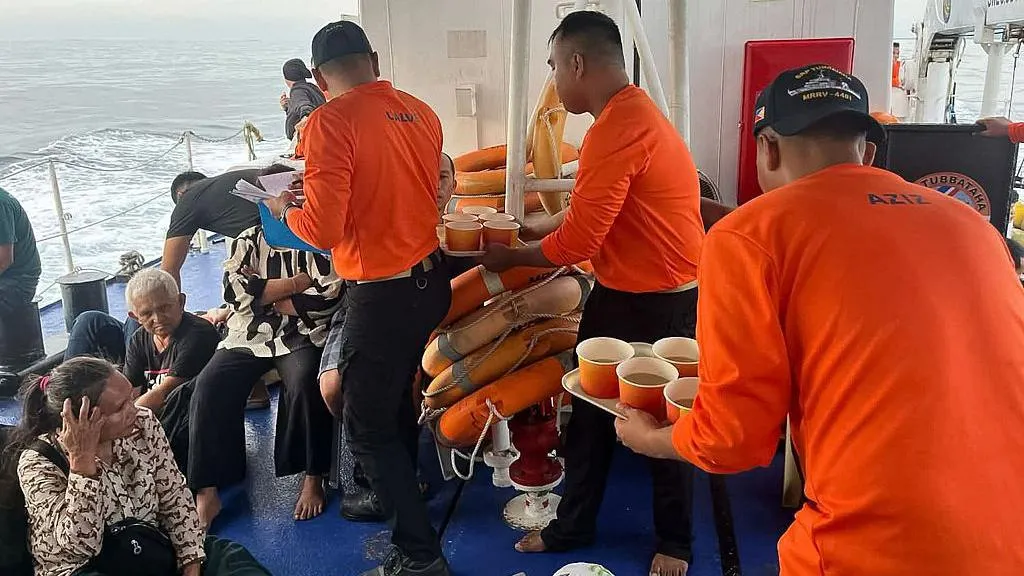
Philippine Coast Guard teams have rescued 316 people, many of them suffering from exposure and shock. Survivors wrapped in blankets were shown disembarking from rescue boats in a video posted by Basilan Governor Mujiv Hataman.
“The waters in the area were rough at the time,” said Coast Guard spokeswoman Noemie Cayabyab, citing survivor accounts.
Emergency responders in Basilan said they were struggling to manage the influx of survivors. “The challenge really is the number of patients that are coming in. We are short-staffed at the moment,” said Ronalyn Perez, an emergency responder, in an interview with AFP.
Authorities have launched an investigation into the sinking. The Philippines, an archipelago of 7,100 islands, has a long history of ferry disasters, often blamed on poor maintenance and vessel overloading. Despite the risks, many Filipinos continue to rely on ferries for inter-island travel because of their affordability.
Past tragedies underscore the dangers. In May 2023, 28 people died when a passenger ferry caught fire, including three children and a six-month-old baby. The year before, seven people died after a fire on a high-speed ferry carrying 134 passengers.
As search and rescue operations continue, officials are working against time to locate the missing and provide care to survivors while grappling with the scale of the disaster.
About the Author