


As midnight struck across parts of Asia and the Pacific, South Korea and Japan officially ushered in 2026, marked by ancient rituals, prayer ceremonies and public gatherings — even as some large countdown events were scaled back.
In South Korea, crowds gathered in Seoul to take part in the traditional bell-ringing ceremony, a ritual rooted in centuries-old customs meant to cast away misfortune and invite good luck in the year ahead. The striking of large temple bells, typically rung 33 times, symbolises hope, renewal and unity at the start of a new year.
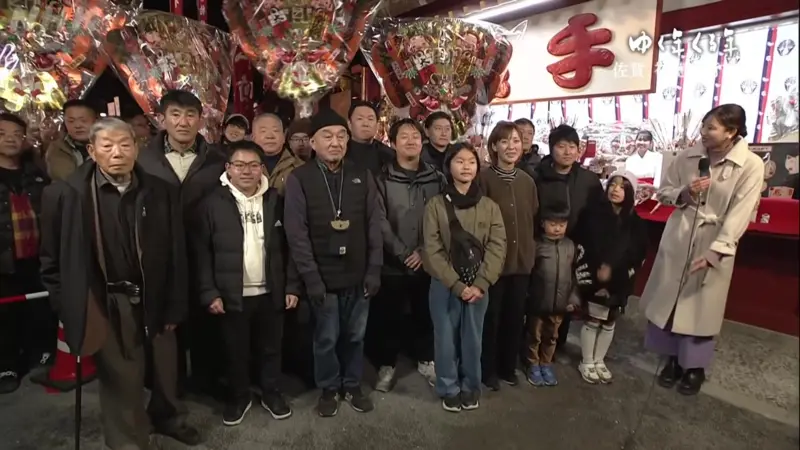
Meanwhile in Japan, New Year celebrations unfolded in a more reflective tone. The public broadcaster NHK showcased festivities from across the country as worshippers visited temples and shrines. A key tradition, known as Joya no Kane, involves temple bells being rung 108 times — representing the cleansing of earthly desires in Buddhist belief.
In Tokyo, crowds still gathered in parts of the city despite the cancellation of several high-profile countdown events, reflecting Japan’s blend of quiet spiritual observance and modern urban celebration.

Further east, the New Year arrived even earlier in the Pacific islands, beginning in Kiritimati (Christmas Island), part of Kiribati and the first inhabited place on Earth to enter 2026 due to its UTC+14 time zone. One couple described celebrating on a remote beach, surrounded by darkness, nature and countless crabs — a stark contrast to city celebrations elsewhere.
In New Zealand’s Chatham Islands, festivities were more subdued, with locals balancing tradition and practicality. Across the wider Pacific, deeply rooted customs took centre stage:
- In Samoa, families shared ’Ava (kava) while clapping in a ritual known as patipati.
- In Tonga, messages of peace, health and blessings defined the transition into the new year.
- On Guam, celebrations featured red rice, barbecues and spoken-word performances, with locals describing New Year celebrations as a “national sport.”
From temple bells in East Asia to quiet beaches and communal rituals across Oceania, the arrival of 2026 highlighted the rich diversity of ways cultures around the world mark renewal, reflection and hope for the year ahead.
About the Author