
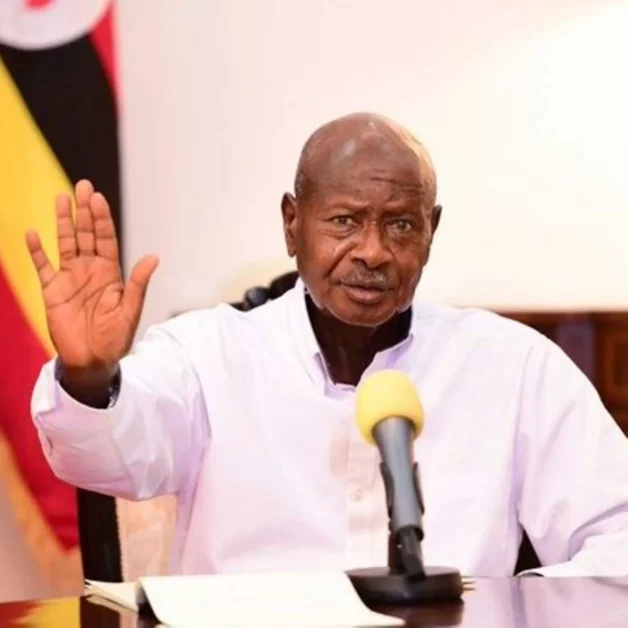
Ugandan President Yoweri Museveni has confirmed that two Kenyan nationals were arrested in Kampala last month over alleged links to opposition leader Robert Kyagulanyi, popularly known as Bobi Wine.
Speaking during a live interview on a local talk show, President Museveni revealed that Ugandan security agencies had detained two Kenyan activists suspected of working with Bobi Wine’s National Unity Platform (NUP) movement.
“Here we have very good intelligence… we know them. We have got two Kenyans whom we arrested. They have been with us, I have their names… but I don’t remember them,” Museveni stated.
“They came, and they were working with Kyagulanyi’s group. They are experts in riots,” he added.
The president, however, did not disclose the activists’ names or specific charges they faced.
Identities and Circumstances of Arrest
Although Museveni refrained from naming the individuals, credible reports indicate that the two Kenyans are Bob Njagi and Nicholas Oyoo — both known human rights activists.
The duo had reportedly travelled to Kampala in early October to support Bobi Wine’s political activities and engage with local civil society groups.
Shortly after their arrival, they were reported missing, prompting concern from their families and regional human rights organizations.
Release and Repatriation
Njagi and Oyoo were later freed in early November after weeks of uncertainty surrounding their whereabouts.
Their release followed mounting pressure from human rights defenders in Kenya and Uganda, who had accused security agencies of forced disappearances and harassment of foreign activists.
The arrests have sparked renewed debate about cross-border crackdowns on political dissent in East Africa.
Rights groups have criticized Uganda’s security agencies for routinely targeting opposition supporters, including foreigners, under the guise of national security.
Bobi Wine, who has consistently challenged Museveni’s decades-long rule, continues to face state pressure ahead of Uganda’s next general election.
His supporters, both local and international, have frequently reported arrests, intimidation, and surveillance by security forces.
As relations between Kampala and Nairobi remain cordial, Museveni’s admission raises fresh questions about the extent of intelligence cooperation between the two countries and its implications for political activism in the region.
About the Author