Life. Seasoned with perspective.
Once a refuge of faith and integrity, the church today faces a crisis of trust. This reflection explores how spectacle has replaced sincerity, leaving many disillusioned and searching for authentic faith.”
The phone rings.
“Hello Kibisu? We have the hearing on Thursday from 2 to 4 p.m. It will be online, but kindly let’s have it in my office so that I can guide you. Eeeh, before I forget, carry your Bible, I don’t have one.”
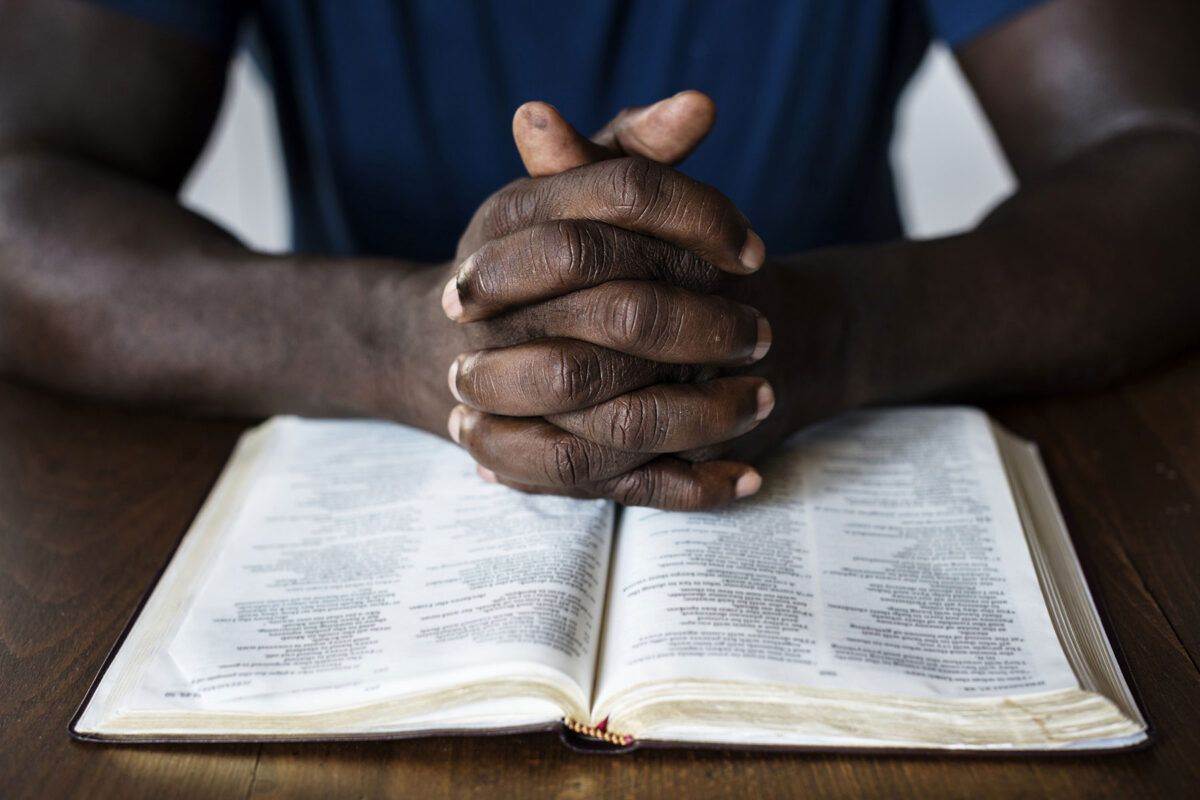
For context, I was a witness in a case, and this was the company lawyer calling me. Forget the case for a moment – it’s his last statement that stuck with me. He asked me to carry a Bible. That one simple line made me pause and think.
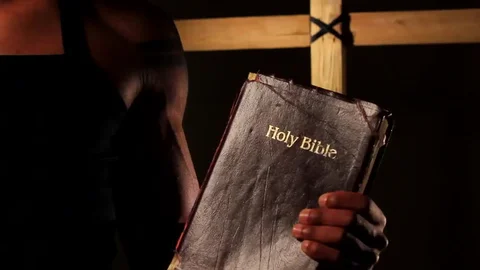
Honestly, I’ve only been to church a few times this year, but I do have a Bible. His comment reminded me of something deeper: how detached we’ve become from church. Why do so many people, especially young adults, feel disconnected from faith spaces today? Why has the church, once a place of refuge, now become a stage for scandal and spectacle?
Let’s rewind a bit. The church in Kenya has deep roots. It first came through Portuguese explorers along the Coast in the fifteenth century. Later, missionaries such as Johann Ludwig Krapf and Johannes Rebmann brought Christianity inland, translated the Bible into Kiswahili, and laid a foundation of faith and education. After independence in 1964, churches like the Catholic and Anglican ones grew rapidly, building schools, hospitals, and entire communities around values of service and hope.
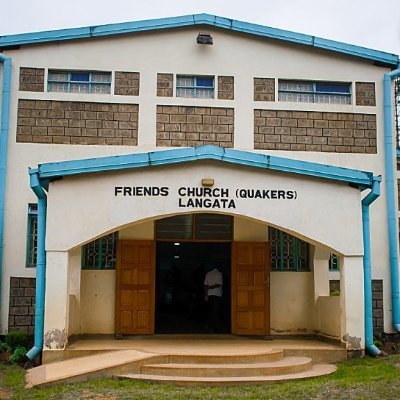
I grew up in Western Kenya, where the Friends Church, also known as the Quakers, was the main denomination. I am a Quaker myself. I remember church as quiet and reflective, with simple worship and little to no noise.
Sometimes we would even sit in complete silence. That was worship. Today, however, many churches, including some Quaker ones, have changed. There are instruments, lights, and energy. Liveliness is not bad, but I sometimes wonder whether, in chasing excitement, we’ve lost the calm that once nurtured reflection and sincerity.
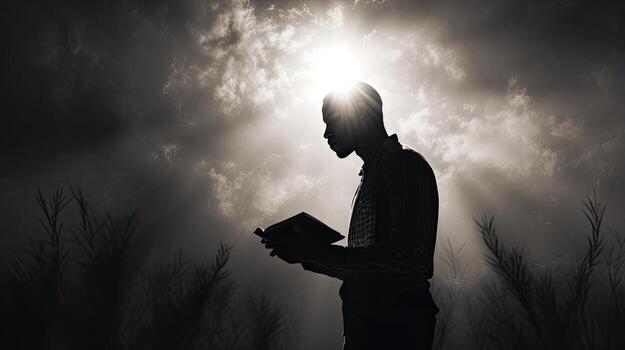
The truth is, the Kenyan church has evolved. The mission-founded churches have given way to personality-driven ministries. Faith now competes with fame. The message of salvation and service has been replaced by spectacle and showmanship. On social media, preachers are influencers, and sermons compete with trends. The pulpit has become a platform and the cross, a prop.
It’s no surprise, then, that many young people are walking away. They see the scandals, the money talk, and the staged miracles, and they question everything. Who can blame them? Not long ago, an investigative report exposed a pastor paying actors to fake healings. The so-called “miracle babies” saga revealed a child trafficking ring. More recently, the horrifying events in Kilifi County exposed a cult that led hundreds to starve to death. Each of these stories chips away at the trust the church once commanded.

And this is not only a Kenyan problem. Across the world, we see similar stories. Pastors caught in financial scandals, cult leaders manipulating followers, and mega churches built on personalities rather than principles. The issue is not faith itself, but human greed wrapped in holy language. It has become difficult to tell where spirituality ends and business begins.
For young people searching for meaning, this confusion is exhausting. Many are not rejecting God; they are rejecting the performance. They crave authenticity, but what they often see are stage lights, celebrity pastors, and miracle markets. The faith that once grounded communities now feels transactional, and that emptiness drives them away.
Still, I believe there is hope. Beyond the noise and theatrics, there are men and women quietly living out their faith, feeding the hungry, visiting the sick, mentoring the lost, and standing for truth without expecting applause.
They may not trend on social media, but they remind us that real faith still exists. The tragedy is that their sincerity is often drowned out by the louder, flashier voices.
What we are witnessing today is not the death of Christianity; it is a crisis of credibility. The church is being tested. Perhaps this is the season that will separate the true from the fake, faith from performance, and belief from business. Because true religion is not found in the size of the crowd or the volume of the music, it is found in quiet integrity, compassion, and service to others.
So maybe the real question is not whether the lawyer had a Bible, but whether we who have one still open it, and live by it. In the end, faith was never meant to be a show. It was meant to be a light, and light, by its nature, does not need a spotlight.
Read also
About the author:
Kibisu Mulanda is a media executive and strategic communicator with over 20 years of experience in television, NGO storytelling, and youth-focused content. He is the Acting Head of Switch Media Ltd and teaches media at the Kenya Institute of Mass Communication (KIMC). A Certified SIYB Trainer, he blends storytelling with strategy to drive social impact.
About the Author