Kenya’s political landscape is at a crossroads, and the absence of Raila Odinga from the 2027 election could be the most significant turning point the country has seen in decades. As the veteran opposition leader steps aside or simply fades from the political frontline, the entire foundation of the Azimio La Umoja coalition—and, by extension, Kenya’s political dynamics—will face a seismic shift. What will become of the once-vibrant coalition, and can Kenya’s opposition find a new unifying figure to challenge President William Ruto’s growing dominance? The coming years are set to reveal a more unpredictable, yet potentially transformative, chapter in Kenya’s democracy.
The End of an Era for Azimio?
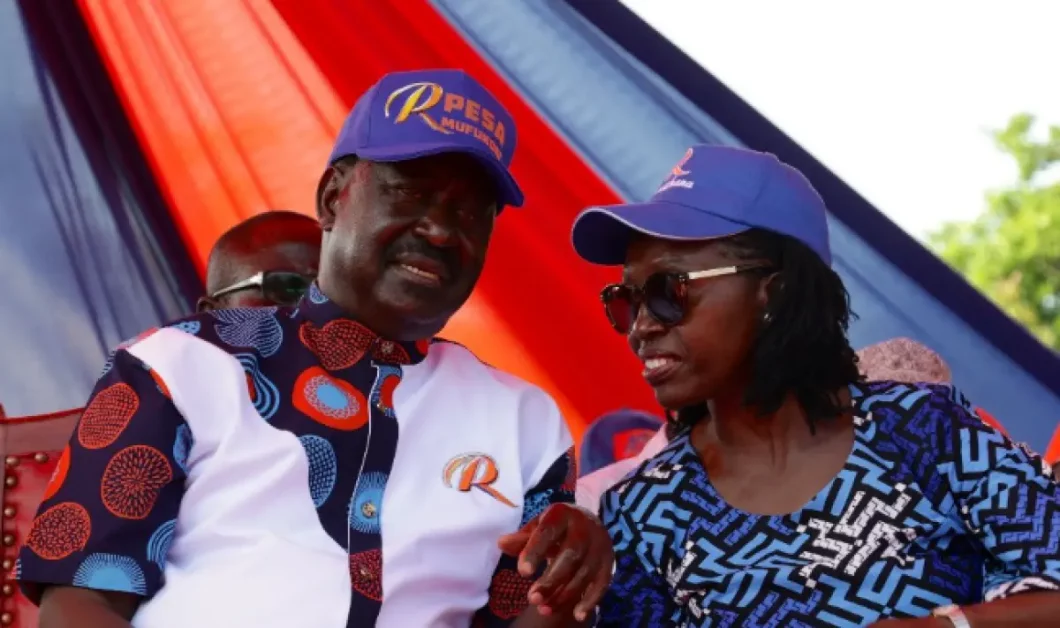
Raila Odinga, a name synonymous with Kenya’s opposition politics, has long been the glue holding the Azimio La Umoja coalition together. From his relentless campaigns to his highly contested 2022 presidential run, Raila has been both the face and voice of a substantial portion of Kenya’s electorate. However, as he ponders his political future and contemplates whether to seek another run for president, questions loom over Azimio’s ability to remain relevant without him.
In the aftermath of the 2022 general election, where Raila’s defeat was contested by his supporters, the Azimio coalition managed to hold on by a thin thread. But with Raila no longer at the helm, will Azimio’s various factions splinter, or will a new leader rise to fill the void?
The coalition, once a formidable force, now risks becoming an umbrella without a clear unifying figure. Raila’s leadership provided a sense of cohesion, with his well-established political network, charisma, and influence reaching across Kenya’s diverse regions. His absence could result in a period of internal reorganization, with potential leaders from within the coalition, such as Kalonzo Musyoka, Martha Karua, or even new faces like Eugene Wamalwa, vying for the mantle. Yet, none of these figures currently have the same widespread appeal or unifying power as Raila.
Without a fresh, charismatic leader to take the reins, Azimio might struggle to maintain its position as a serious challenger to Ruto’s Kenya Kwanza government. The party’s ability to deliver a credible opposition might be severely tested, as any fractures within the coalition could leave it open to manipulation and fragmentation.
Will Ruto’s Rivals Find a Unifying Figure?
On the other side, President William Ruto’s political dominance will only be solidified in the absence of Raila Odinga, unless a credible rival emerges to unite the fractured opposition. Ruto, a seasoned political strategist, has successfully navigated the turbulent waters of Kenya’s politics, leveraging his support from the hustler movement and rural constituencies. His 2022 victory was a testament to his ability to connect with the common man, and his presidency has been marked by efforts to consolidate power.
But even with a stronghold in Kenya Kwanza, Ruto’s rivals will be acutely aware that without a formidable challenger to balance his growing influence, the political scene risks becoming stagnant and polarizing. The question is: who can step up to unify the opposition and mount a challenge?
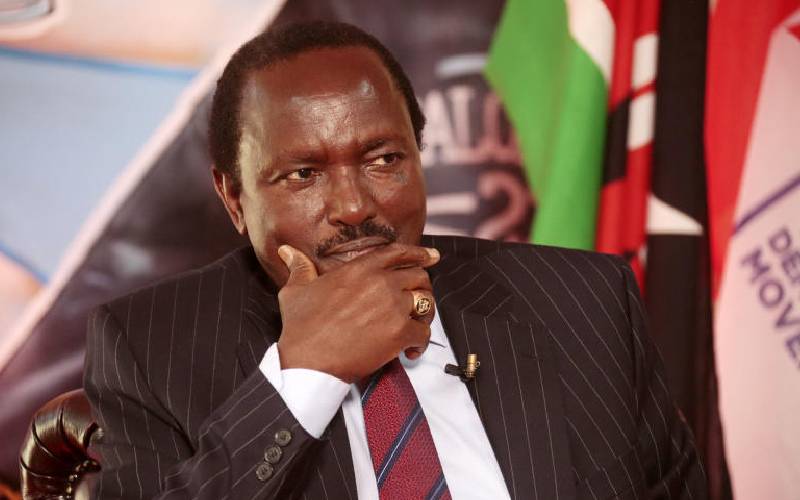
Kalonzo Musyoka, the former vice president and longtime political ally of Raila, remains a potent figure in the opposition, but his appeal has been limited in the past. Martha Karua, the 2022 deputy presidential candidate, enjoys significant support among women and youth but has not yet captured the broader electoral base needed to effectively take on Ruto. Figures like Wamalwa and other regional leaders will also need to come together, but without a common figurehead, they may be relegated to playing in the political margins.
It is here that Kenya’s next wave of political leaders will be tested—can they create a new narrative, bring together disparate voices, and unite behind a common vision? A clear unifying figure may not appear overnight, but the absence of Raila Odinga leaves a political vacuum that demands attention.
Regional Realignments: Nyanza, Western, and Coast
The implications of Raila’s absence extend far beyond the national stage—regional dynamics will likely experience profound shifts, particularly in areas where Raila has enjoyed unshakeable loyalty. The regions of Nyanza, Western, and the Coast, long seen as bastions of Azimio support, will face crucial realignments as they adapt to this new political reality.
Nyanza, Raila’s home turf, is perhaps the most immediately impacted. The Luo community has been intricately tied to Raila’s political brand for decades, and his influence has permeated every level of governance. Without Raila, will Nyanza remain loyal to the Azimio coalition, or will there be a shift towards new local leaders? Leaders from within the region may attempt to fill the leadership gap, but they will need to demonstrate both political acumen and a compelling vision for their people to ensure the region doesn’t drift away. It remains to be seen whether figures like ODM leaders in Nyanza, or perhaps fresh faces, can carry the mantle of leadership.
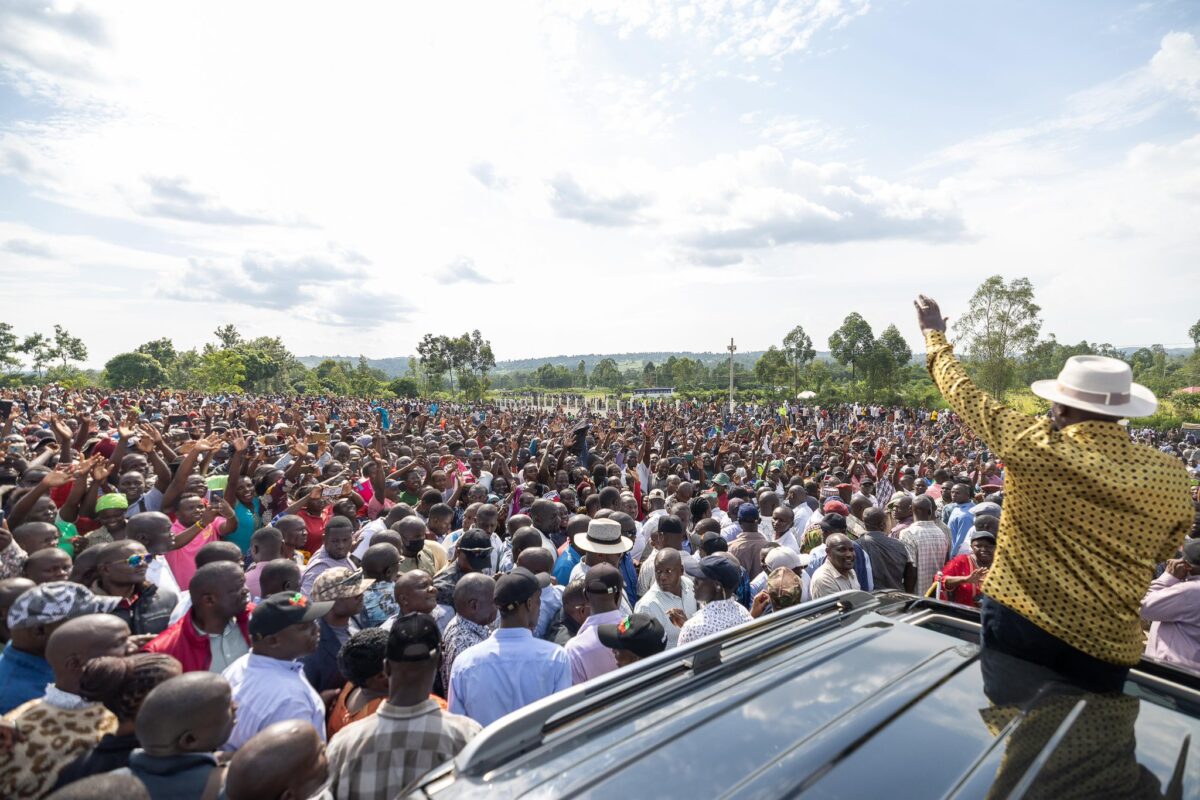
In Western Kenya, a region that has traditionally supported Raila’s candidacy, the political landscape will likely undergo a period of recalibration. Western Kenya has consistently supported Raila, but it is a region rich with its own political talent and aspirations. With the growing support of leaders like Musalia Mudavadi and Wycliffe Oparanya, the region may see the rise of a new coalition, or it could remain divided, with different factions backing different presidential hopefuls. The question will be whether a strong regional leader can emerge to unite the Western block, or if they will splinter into competing factions. Meanwhile, in the Coast region, where Raila’s appeal has been strong, especially among the youth and those advocating for coastal land rights, there will be similar struggles for leadership. This is a region that has often been neglected by the central government, and any shift in the political landscape will likely be driven by the region’s desire for autonomy and resources. Without Raila, Coast leaders will have to forge their own paths, but the regional issues they champion could become more prominent in national conversations
A New Political Era
As Kenya approaches 2027, the political terrain is bound to shift. Raila Odinga’s absence opens up new possibilities, but also significant risks. Azimio’s continued viability depends on how well it navigates these changes—whether it can reorient itself around new leadership and a fresh agenda. In parallel, Ruto’s ability to consolidate power will depend on whether he can maintain the broad base of support he cultivated in 2022, or whether the opposition will succeed in coalescing around a viable alternative.
The question on everyone’s mind is whether Kenya’s political center of gravity will shift permanently, or if the next few years will bring new voices and new leaders to the forefront. As Kenya enters this next phase of its political journey, the only certainty is change—and in the coming months, Kenya will witness whether the political vacuum left by Raila Odinga’s departure will lead to fresh hope or deepening division.
About the Author