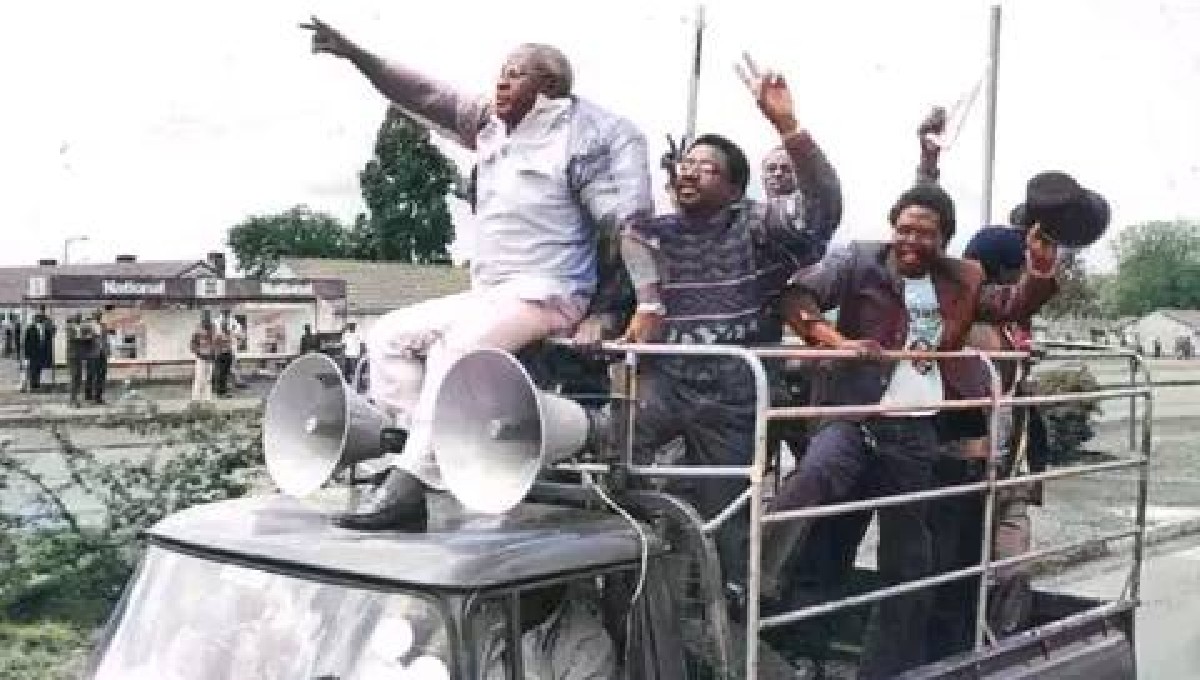
NAIROBI — The date 7 July 1990 is carved deeply into Kenya’s history. On that day, as thousands tried to gather at Kamukunji Grounds in Nairobi, the nation witnessed the birth of a defiance that would shape its democratic future. Among the faces behind that uprising was Raila Odinga — a man whose name would come to define the pursuit of political freedom.
In 1990, Kenya was a one-party state under President Daniel arap Moi. The ruling KANU party allowed no dissent. The government controlled the press, restricted speech, and kept opponents under tight watch. But frustration was building. A growing group of reformists -led by Kenneth Matiba, Charles Rubia, and joined by Raila Odinga — decided enough was enough. They called for a public rally to demand a return to multi-party democracy.
The move was daring, even dangerous. The state responded with force. Days before the planned rally, the main organisers were arrested. Raila Odinga, Matiba, Rubia, John Khaminwa, Gitobu Imanyara and George Anyona were detained. The government banned the meeting and filled Nairobi’s streets with police.
Still, people showed up. Despite teargas, arrests, and heavy police presence, groups of protesters managed to gather. The demonstration was quickly crushed, but its meaning was already sealed. July 7 — Saba Saba — had become a symbol of resistance.
The aftermath was brutal. Many were detained without trial. Some were tortured. Families were separated. But the courage of that day stirred a movement that refused to die. Within a year, the Moi regime was forced to repeal Section 2A of the Constitution, ending the one-party system. Kenya was, at least on paper, a democracy again.
For Raila Odinga, the struggle came at a heavy personal cost. He had already spent years in detention under Moi’s rule. He had been exiled, accused of treason, and denied the chance to live freely in his own country. Yet, even after his release, he refused to retreat. His belief was simple but unshakable: democracy had to be fought for — and protected.
The Echoes of a Movement
More than three decades later, Saba Saba remains alive, and Odinga carried it like a torch. Each year, the day brings new energy, new frustrations, and renewed calls for justice. As the leader of the Azimio coalition, he turned Saba Saba into a mirror — reflecting both the gains of democracy and its failures.
In his speeches, Odinga often reminded Kenyans that the freedom won in the 1990s was fragile. “We must never forget where we came from,” he would say. “Saba Saba was not just about votes. It was about dignity.”
His message struck a chord, especially with younger Kenyans who see him as the bridge between their country’s turbulent past and its uncertain future.
But as the years passed, the meaning of Saba Saba began to shift. What started as a protest for political pluralism evolved into a broader call for social and economic justice. Issues like corruption, unemployment, and inequality took centre stage. Odinga adapted to that shift, arguing that democracy meant little if people continued to suffer under poverty and state abuse.
In the streets, that message found new life. Young protesters — some too young to remember the original Saba Saba — took up the cause. They demanded accountability, police reform, and fair governance. When they marched, they carried placards bearing Raila Odinga’s image alongside those of past freedom fighters. The connection was clear: the fight had changed, but the spirit was the same.
The Modern Struggle
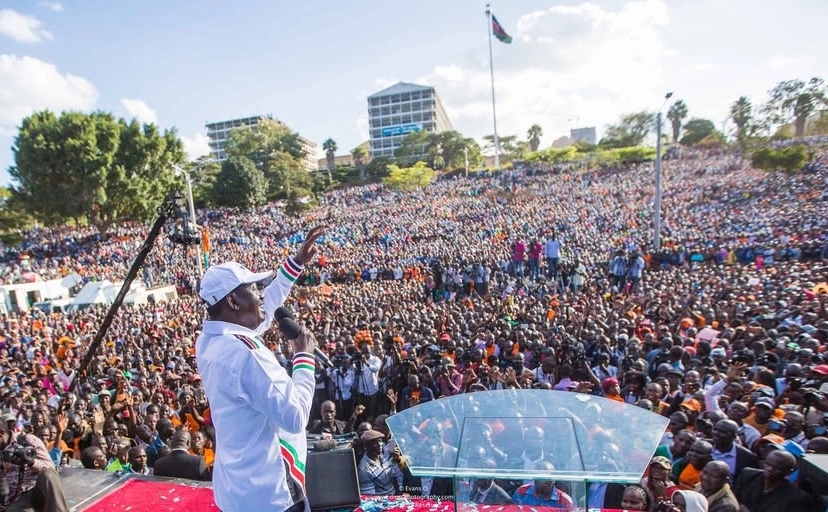
In recent years, Saba Saba has again become a day of tension and confrontation. Odinga’s rallies draw huge crowds, and his calls for national reflection often meet heavy police presence.
The streets of Nairobi, Kisumu, Mombasa, and Nakuru have seen both peaceful assemblies and violent clashes. Teargas clouds the air. Roads are blocked. Young people chant, “Haki! Haki!” — justice, justice — the same cry that echoed in 1990.
In his final public address before his passing, Odinga urged leaders to look beyond politics and engage the nation in honest dialogue. He spoke of police brutality, youth unemployment, and the erosion of civil liberties. “If we forget Saba Saba,” he warned, “we will lose the soul of our nation.”
His critics, however, saw his calls as politically motivated. Some accused him of exploiting history to stir unrest. Others said his alliance with government leaders diluted his message. Yet, even his fiercest opponents admitted that without Odinga, the story of Kenyan democracy would be incomplete.
The Man and the Moment
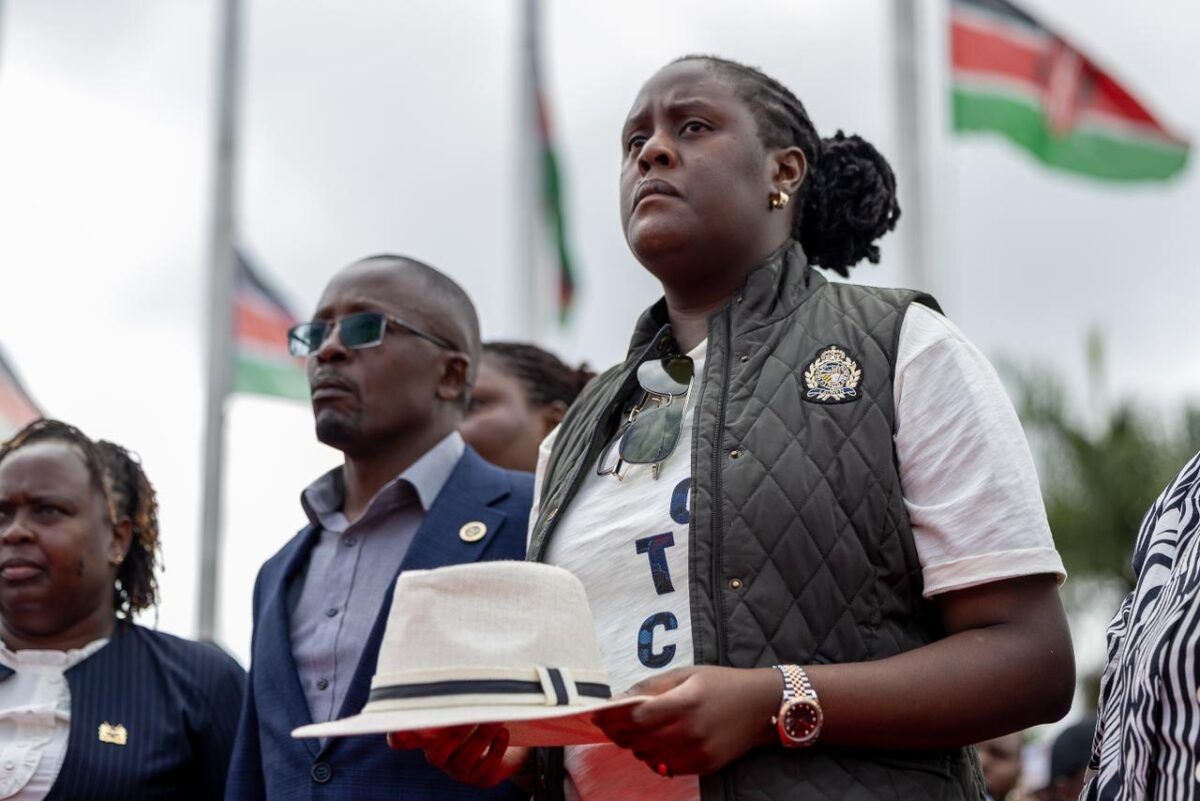
For those who knew him closely, Raila Odinga was not just a politician — he was a survivor. His life mirrored the country’s own journey through hope, repression, and renewal. He had seen the inside of prison cells, the sting of tear gas, and the betrayal of allies. But through it all, he remained convinced that Kenya’s destiny lay in the people’s hands.
Friends often recall his calm in chaos. “He could be under arrest one day,” one former ally once said, “and planning a rally the next. He believed fear was the weapon of the oppressor.”
When news broke of his death in October 2025, tributes poured in from across Africa. Leaders remembered his courage. Activists hailed his endurance. For many Kenyans, it felt like losing a father figure — one who had fought battles so they could live with a voice.
But even in death, his influence endures.
Saba Saba is no longer a date marked by a few activists in Nairobi. It is remembered in schools, universities, and homes across the country. It has become a lesson in courage — that democracy is not a gift handed down, but a fight that must be renewed with every generation.
The Legacy Lives On
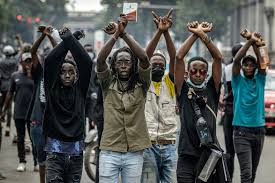
The spirit of Saba Saba now belongs to a new generation — one that carries smartphones instead of placards, but faces many of the same struggles: corruption, unemployment, inequality, and mistrust in leadership.
Whether they follow Odinga’s path or forge a new one, the question remains the same: how far are they willing to go for justice?
For decades, Raila Odinga was the face of that question — a man who refused to give up even when history turned against him. His journey, from the prison cells of the 1980s to the political podiums of the 2020s, tells the story of Kenya itself: scarred, defiant, and unbroken.
And as Kenyans mark each Saba Saba, his words echo still — a warning and a promise:
“Freedom is never given. It is fought for, lived for, and if need be, died for.”
About the Author