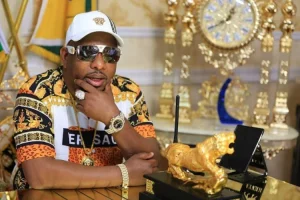
Nairobi — A Nairobi County official has demanded the immediate arrest of those responsible for leaking and spreading an explicit video of a woman known online as the “Mama Mboga,” calling the act a grave violation of privacy and dignity.
Geoffrey Mosiria, the County’s Chief Officer for Environment, said he had personally seen the video and was “deeply disturbed” by its circulation. He urged police to act swiftly, warning that leniency toward such behaviour only emboldens offenders.
“Arresting and prosecuting those involved will send a clear message that violating people’s privacy will not be tolerated,” Mosiria said in a statement posted on social media.
He described the woman in the clip as “a mature, working mother” and condemned the men who trade and amplify such material online. He appealed to Kenyans to stop forwarding or reposting private content “for cheap laughs or clicks.”
Mosiria’s comments come amid renewed public anger over the viral spread of intimate videos, often shared without consent. The latest incident, which has dominated social media discussions, is believed to have originated after the woman took her phone to a local repair technician — who allegedly accessed and leaked the private footage.
According to multiple online accounts, the technician is accused of distributing the video without the woman’s knowledge, triggering a nationwide outcry.
Mosiria called on anyone with information about the leak to report it to the police and urged the victim to come forward so the matter could be formally investigated.
Beyond the legal implications, Mosiria framed the issue as a test of social morality.
“Normalising the sharing of intimate material erodes dignity, fuels misogyny, and destroys lives,” he said. “We must protect one another’s privacy — not exploit it.”
The debate has reignited questions about digital safety and accountability on platforms such as X, Facebook and Instagram, where the video spread rapidly despite efforts by some users to flag it.
The controversy also comes just a week after President William Ruto signed the Computer Misuse and Cybercrimes (Amendment) Act, 2024 into law — legislation that broadens protections against online harassment and the non-consensual sharing of intimate material.
Legal experts say the case could become an early test of the new law, which introduces stiffer penalties for those found guilty of circulating private content without permission.
As investigators face mounting pressure to act, Mosiria’s intervention has given voice to a growing public sentiment: that Kenya must draw a clear line between digital freedom and digital abuse.
“Privacy isn’t a luxury,” he said. “It’s a right — and it must be defended.”
About the Author