For the first time since 1990, not a single hip-hop song has made it into Billboard’s Top 40 chart.
It’s a startling moment for a genre that once defined global pop culture. From Tupac to Drake, hip-hop has dominated playlists, clubs, and streaming charts for decades. But as of October 2025, it’s nowhere to be found among the top mainstream hits.
What happened?
A rule change shakes the chart
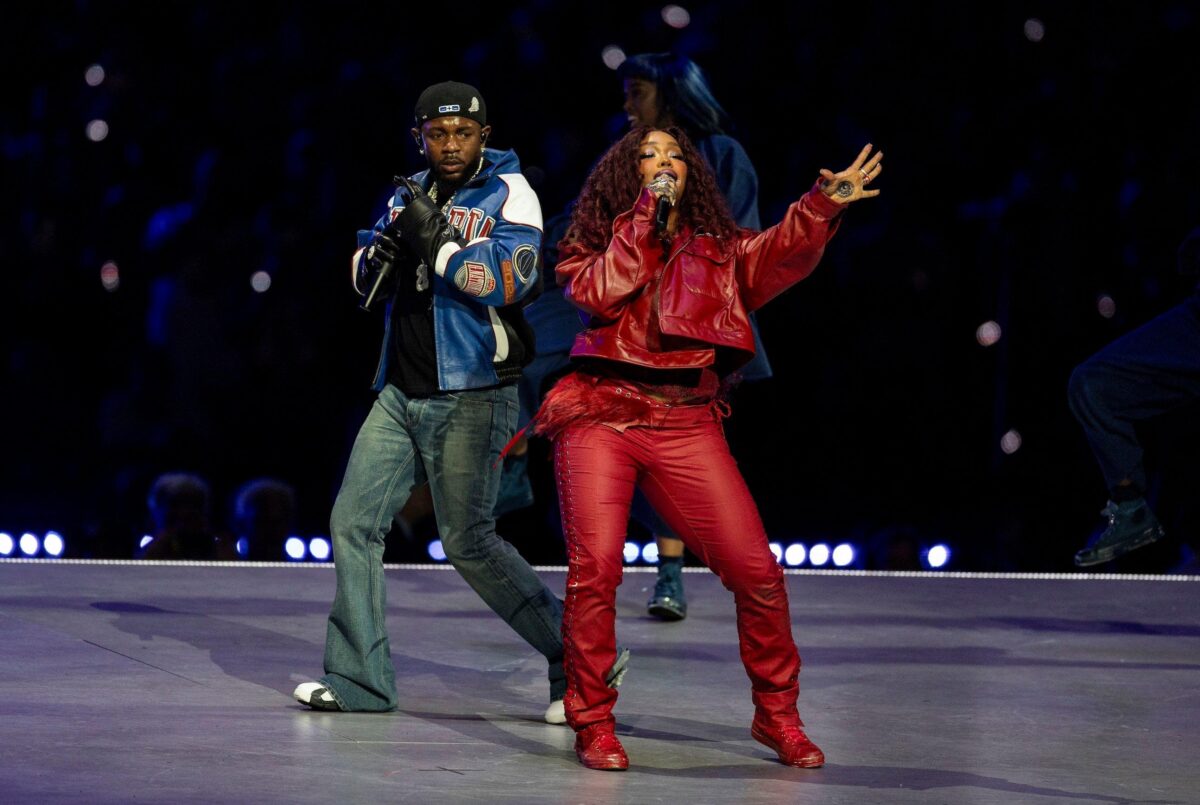
Photo: Michael Owens/Getty Images
Part of the answer lies in a technicality. Billboard recently updated how it calculates songs that have spent long periods on its Hot 100 chart.
Under the new system, tracks that fall below a certain position after several weeks are labelled “recurrent” and removed — even if they remain relatively popular.
That’s what happened to Kendrick Lamar and SZA’s “Luther”, which had spent 46 weeks on the chart and was sitting at No. 38 before being dropped under the new rule.
“Under the old formula, ‘Luther’ would still be there,” Billboard explained in its 29 October report. “But by any measure, it was already on its way out.”
So yes, the rule change pushed “Luther” off — but that alone doesn’t explain why no other hip-hop song rose to take its place.
A fading presence at the top
In recent years, hip-hop’s share of the U.S. music market has slipped. According to industry data, the genre once held close to 30 per cent of overall sales and streams. Today, that number hovers around 24 per cent.
It’s a modest drop, but one that matters in the hyper-competitive world of chart rankings. With fewer major hits breaking through — and with pop, country, and Afrobeats taking up more space — hip-hop’s dominance no longer looks inevitable.
“It’s not that people aren’t listening to rap,” said cultural critic Marcus Grant in a phone interview. “It’s that the way they’re listening has changed. The big crossover records just aren’t there right now.”
The “Drake effect” and a superstar slowdown

Two years ago, rap’s most reliable hitmaker, Drake, faced a series of public feuds and announced he would be scaling back collaborations. “The Drake stimulus package is over,” he rapped — a line that, in hindsight, reads like a cultural turning point.
Since then, few artists have matched his consistency. Kanye West’s public controversies, Travis Scott’s uneven releases, and the absence of a fresh superstar class have left a vacuum.
Without regular mainstream crossovers, hip-hop has struggled to produce songs that stick in the upper ranks of the chart.
Oversaturation and sameness
Then there’s the music itself. Critics — and many listeners — say hip-hop has grown repetitive. The once-diverse sounds of the genre have been replaced, some argue, by a flood of near-identical tracks powered by streaming algorithms rather than creativity.
“Everyone sounds like everyone else,” said DJ Mel Carter, a long-time radio host in Atlanta. “Back in the day, you could tell a New York beat from a Southern one. Now it’s all the same loop.”
Streaming has made it easier for anyone to release music, but it’s also led to an overwhelming market. With thousands of new songs uploaded daily, even strong material can drown in the noise.
Shifting audiences
Another subtle shift may be happening among white American audiences, who historically drove much of hip-hop’s commercial success. Analysts note that ticket sales for major rap tours have fallen, with fans citing high prices and a lack of excitement.
Popular culture, as always, moves in cycles. In the 1950s, rock ’n’ roll ruled. Then came disco, grunge, and eventually hip-hop. Now, the pendulum may be swinging again — toward genres like pop, country, and global Afrobeats, which are capturing younger listeners
For nearly two decades, the South defined hip-hop’s sound. From Outkast and Lil Wayne to Migos and Future, Atlanta and Houston ruled the airwaves. But that dominance appears to be fading.
Legal troubles for YSL artists, the loss of Takeoff, and a lack of new breakout stars have left the Southern scene quieter than usual. For the first time in decades, no coast or region seems to be leading the charge.
Not dead — just different
Still, it would be wrong to call hip-hop “dead.” Artists like Killer Mike, Nas, and Freddie Gibbs have released acclaimed albums this year. But these are mature works — respected, not necessarily chart-topping.
“There’s a difference between cultural relevance and commercial success,” said Toronto-based journalist Kevin Bourne. “Hip-hop still matters. It’s just not living on the Hot 100 right now.”
Every genre faces decline before renewal. Jazz, rock, and R&B all had their golden eras before slipping from the mainstream. Hip-hop may simply be entering that phase — a return to its underground roots, away from industry pressure.
As Bourne put it, “Maybe this is a blessing. Maybe hip-hop gets to breathe again — to become art, not commerce.”
About the Author