

“Dignity” is now a buzzword we often hear whenever affordable housing projects are discussed. But a dignified home is more than just a roof and walls. For many Kenyans moving into new government-backed housing units, day-to-day life may present challenges if interiors are not thoughtfully designed. Cramped rooms, kitchens that demand bending and squeezing between appliances, or bedrooms that barely fit a bed can undermine comfort and wellbeing. While these may sound like minor inconveniences on paper, in practice they have a lasting impact on joy and quality of life.

Take the bedroom: if a space only accommodates a small bed and leaves little room for movement, it limits functionality. In kitchens, counters and sinks placed too close together hinder mobility. In some cases, counters are lower than the average adult’s standing height, making cooking a strain.
Ventilation is even more critical. Poor airflow means children may grow up in rooms that feel damp or airless. Research published in the International Journal of Environmental Research and Public Health shows that inadequate ventilation is linked to asthma, coughs, and frequent chest infections in children. Internationally, housing standards typically recommend at least two windows per room. A window large enough to span an adult’s outstretched arms can make the difference between a gloomy, cave-like interior and a bright, healthy home where artificial lighting isn’t constantly required.
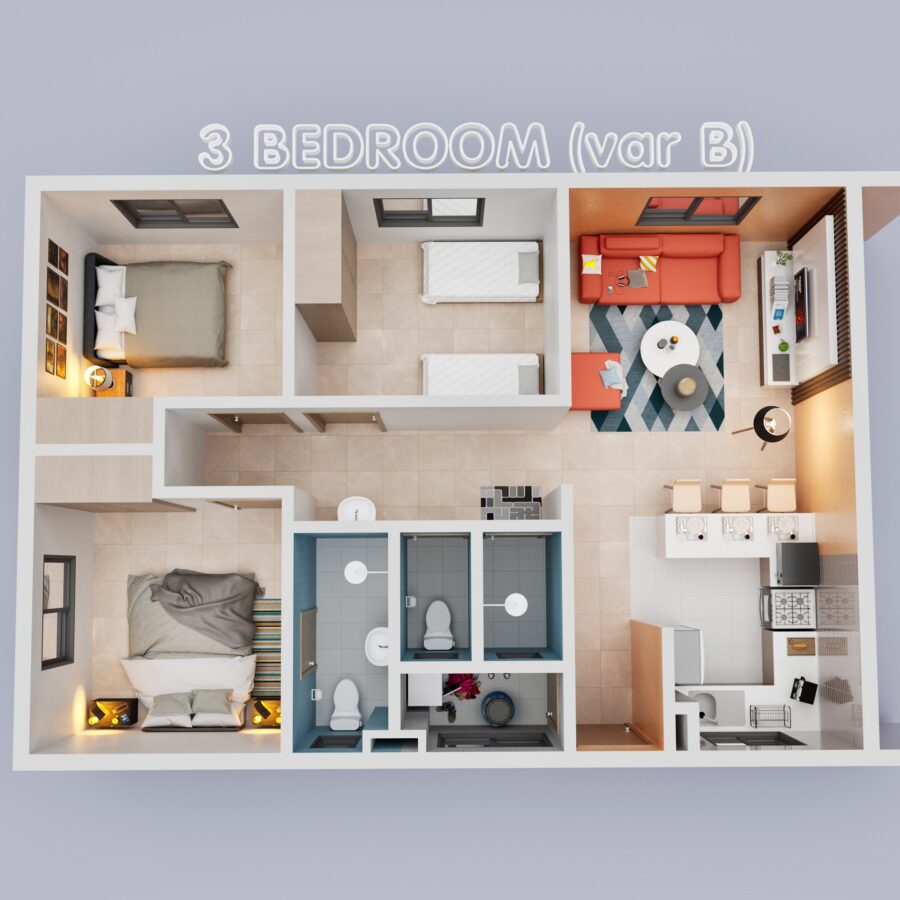
Liveable design does not have to be costly. Forget luxury finishes — good interiors should first align with human anatomy and daily habits. Cupboards should be reachable, walkways around the bed should allow free movement, and storage should not require step stools for everyday use. The living room should be spacious enough for family activities. In many households, children end up doing homework on the floor due to lack of desk space, straining their backs in poor light.
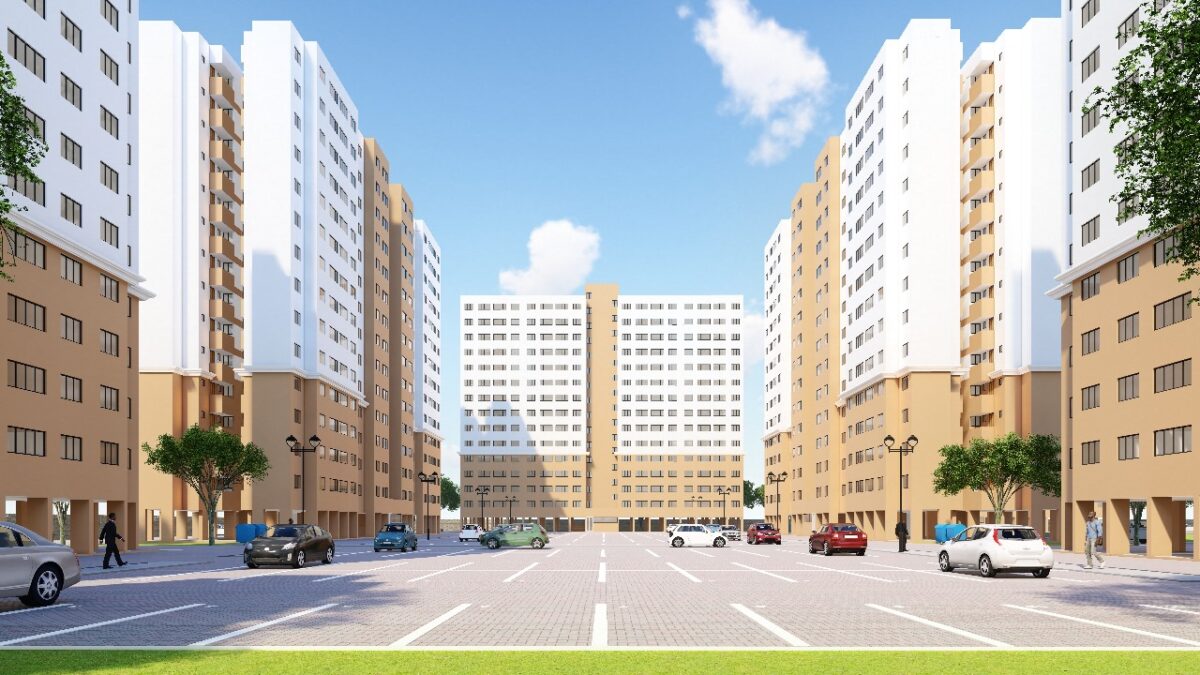
Globally, good housing policies have proven links to improved wellbeing. South Africa enforces daylight quotas for affordable housing, helping children study more effectively. In Singapore, public housing is oriented to encourage natural airflow, reducing reliance on air conditioning while improving comfort.
Closer to home, small changes in design can transform family life. For example, replacing closed cabinets with open shelves, using reflective ceilings, or adding glass splashbacks can increase natural light and improve airflow. The result is a home that feels bigger and healthier — a boost to mental wellbeing without the need for medicine.
Housing, therefore, should not be measured only in economic terms but also in terms of dignity and wellness. Beyond the walls and roof, Kenyans deserve minimum interior standards in public housing projects:
1. Acoustics and soundproofing
Affordable homes should be designed to minimize noise transfer between rooms and neighboring units. Thin walls amplify quarrels, conversations, or music, distracting children from study and reducing privacy within families. Affordable, sound-dampening finishes can improve respect and peace of mind at home.
2. Safe and forgiving materials
Paints with low volatile organic compounds (VOCs) should be prioritized to protect residents from headaches, respiratory problems, and long-term health risks. Additionally, surfaces and finishes should anticipate slips and falls, especially for children and seniors.
3. Flexible layouts
Families grow and needs evolve. Bedrooms should allow space for a nursery cot, while living rooms should accommodate study corners or play areas. Flexibility in layout means families can adapt without having to move frequently.
4. Colors that heal
Colors influence mood and concentration. Bright, reflective walls may cause glare and fatigue, while soft tones and muted pastels foster calmness and focus. Combined with proper lighting, the right palette can transform even small spaces into welcoming homes.

5. Connection to nature
Affordable housing should nurture as well as shelter. Even modest features — such as a small balcony, potted plants, or well-placed windows offering sky views — enhance mental health. Global research shows that exposure to natural light, air, and greenery lifts mood and lowers stress.
Kenya’s affordable housing project is more than a construction agenda; it is an opportunity to reshape communities. With thoughtful design tailored to daily Kenyan life, we can build not just for numbers but for lifestyles that promote dignity, health, and happiness. If interiors are treated as an afterthought, these homes risk becoming dwellings of frustration rather than places of growth.
About the Author