It is about 11am and we are at the Nairobi National Park, where the wild meets the city, this park is known to be the only Wildlife park in the world located within a capital city. On this day we, the Switch Media join the world in celebrating this year`s United Nations World Tourism Day under the powerful theme:Tourism and Sustainable Transformation.
We join and interact with Kenyans who make it to this park after the Kenyan government offered them free entry into all the Kenya Wildlife Service managed national parks,reserves and santuaries.
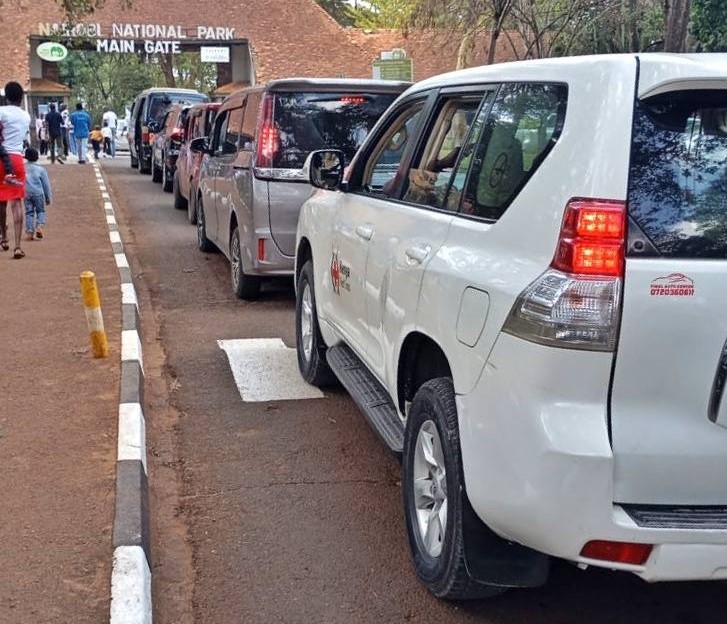
“It is a nice experience today and i think Kenyans should learn to tour more because in the tourism industry we have a lot of beautiful places where people can tour,” says Jane Wanjiku, one of the local tourists we meet at the park.
Erickson Juma, a youthful Kenyan citizen who also came to interact with the wildlife, shares his experiences after touring the park and also uplauds the Kenyan government for offering its citizens free entry into all the public parks in the country.
Parents like Rachael Mathenge and James Mbogo had no reason to shy away from coming a long with their kids to enjoy the beauty of Kenya`s wildlife.They appreciate the govenment for the golden opportunity and urge everyone to practice and promote the culture of sustainable tourism.
“It has been exciting to come with the kids to show them different types of wildlife and i would urge everyone who is interested in conserving the environment to just come because if they don`t, they will miss a lot,” says Rachael Mathenge.

Esther Njeri,who is the warden incharge of the Nairobi animal orphanage, expresses her joy with the huge number of Kenyans who are visiting the park. Njeri uses the opportunity to call upon Kenyans to visit as many national wildlife parks as they can. She also goes on to emphasize on this year`s theme.
” Sustainable tourism is all about ensuring that tourism does not have negative impacts to the environment and natural resources that we have. Tourism plays a key role in our economy and it is one of the areas where Kenya gets the GDP. 10% of Kenyas GDP comes from tourism,” says Esther.

According to Esther, irresponsible tourism and new payment methods are some of the challenges facing Kenya Wildlife Service.
“We transitioned to the E-Citizen payment method and you find that some times people come and they are not able to make payments and a times people come without the proper documents required to access the park like the national identity card,” Esther says.
“Some visitors also litter the park, others do off road driving while others harass the wildlife,” she adds.

Just like Esther, Paul Omondi who is the deputy park warden for Nairobi county, joined Esther in encouraging the public to make sustainable tourism a culture and adhere to all the Kenya Wildlife Service park rules.
“The speed limit within the park and reserves is 40 kilometres per hour. We have a copy of the park rules that we give everyone upon arival at the park and we also have a team that helps us in advising all the visitors coming in the park accordingly,” says Omondi.
About the Author