
Dakar, Senegal Sept. 1, 2025 — Africa must overhaul its food systems urgently or risk sliding into a hunger crisis within the next decade. That was the stark message delivered in Dakar on Monday at the launch of the Africa Food Systems Report (AFSR) 2025, the continent’s leading review of agriculture and food policy.
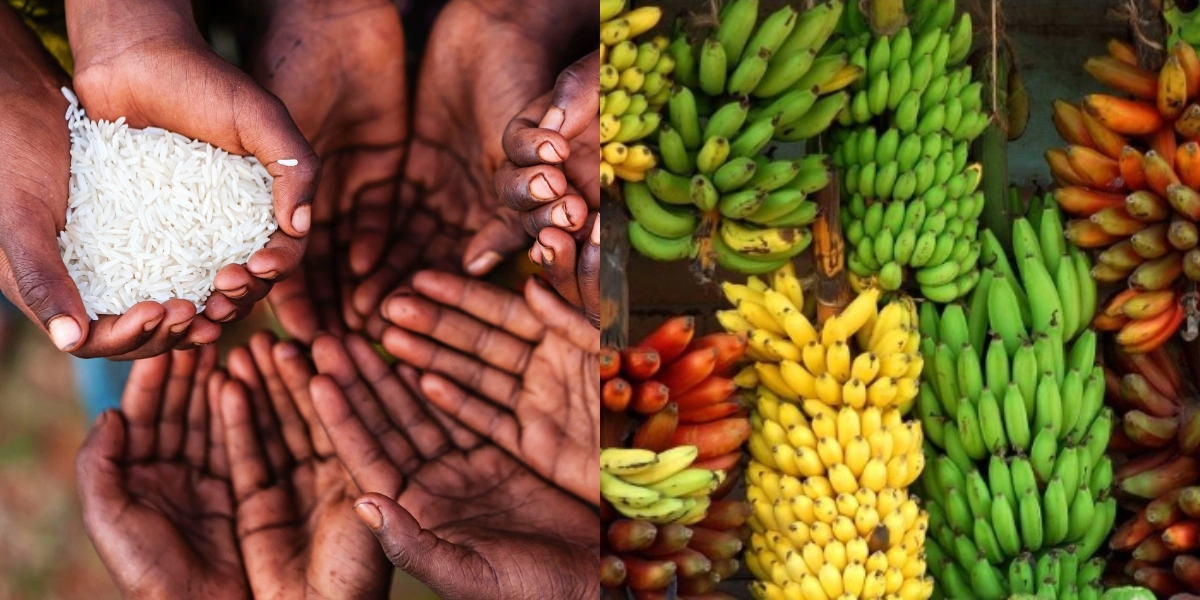
The report, unveiled during the Africa Food Systems Forum, warns that Africa could surpass Asia by 2030 as the region with the highest number of undernourished people. Nearly 300 million Africans were undernourished in 2023, more than one in five people on the continent.
Kenya, like many African countries, stands at the heart of this dilemma. Despite a strong tradition of farming and recent gains in maize and horticultural production, millions of Kenyans remain food insecure. According to the National Drought Management Authority (NDMA), at least 2.8 million people in arid and semi-arid counties faced acute food shortages in early 2024 following failed rains.
“Africa cannot feed its future with the tools of the past,” the AFSR states. “We must invest not just in seeds and soil, but in governance, finance, and infrastructure that empower farmers as entrepreneurs and innovators.”
What the Report Found
The 2025 AFSR, themed “Drivers of Change and Innovation in Africa’s Food Systems,” underscores both opportunities and risks for Kenya and the wider region:
- Governance as a gamechanger: Countries with coherent agricultural policies report better nutrition outcomes. Kenya has made progress with devolved agriculture under county governments, but policy gaps and coordination challenges persist.
- Climate and demographics: Rising droughts, floods, and rapid urbanisation are shifting food demand. Kenya’s heavy reliance on rain-fed agriculture leaves millions vulnerable to climate shocks.
- Finance gaps: Across Africa, agriculture attracts less than five percent of commercial lending. In Kenya, smallholder farmers — who produce over 70 percent of the country’s food — still struggle to access affordable credit.
- Infrastructure deficits: Poor rural roads and limited cold storage cause post-harvest losses of up to 40 percent in Kenya’s fruit and vegetable sectors, cutting farmer incomes and limiting exports.
Kenya in the Spotlight
Kenya has shown pockets of progress. Eastern Africa recorded a 30 percent rise in cereal productivity over the past decade, driven partly by Kenya’s adoption of improved maize varieties and irrigation schemes. The government has also prioritised subsidised fertiliser and the revival of strategic grain reserves.
But experts warn that these gains remain fragile. “We cannot keep expanding farmland into forests and wetlands,” said a Nairobi-based agricultural economist reacting to the report. “Kenya must focus on raising productivity per hectare, while protecting the environment.”
The AFSR also points to opportunities under the African Continental Free Trade Area (AfCFTA), which could open new regional markets for Kenyan tea, coffee, flowers, and fresh produce — if backed by stronger infrastructure and trade facilitation.
A Call to Action
Lead author Dr. John Ulimwengu stressed that the report is not just a warning but a roadmap:
“Africa has the vision, capacity, and leadership to shift from fragmented progress to integrated, resilient food systems. By aligning investments, strengthening institutions, and leveraging innovation, the continent can deliver healthy diets, decent jobs, and sustainable growth.”
For Kenya, the implications are immediate. With its population expected to hit 70 million by 2045, the country must scale up climate-smart farming, strengthen value chains, and ensure women and youth — who form the backbone of agriculture — are at the centre of reform.
The report echoes the 2025 CAADP Kampala Declaration, endorsed by the African Union, which urges governments to prioritise farmers, sustainability, and resilience. For Kenya, that means turning policy into action before the cycle of drought, hunger, and high food prices deepens further.
As the AFSR concludes: “The transformation of Africa’s food systems will define the prosperity, health, and stability of the continent for generations. The choice before us is stark; act boldly now, or risk locking millions into cycles of hunger and poverty.”
About the Author