

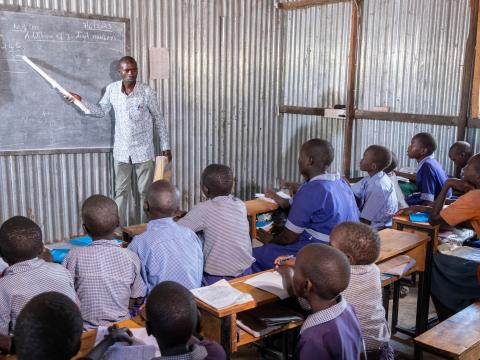
Schools across Kenya are sinking deeper into crisis as government funding delays force administrators to send students home. With no money coming in, principals say they are unable to meet even the most basic running costs.
In Nakuru and other parts of the country, learners reporting for their third term studies have found classrooms shutting instead of opening.
“We are running on empty,” said a principal from western Kenya, who asked not to be named for fear of reprisals. “Parents begged us to keep their children in school while they waited for salaries. The end month came and went, nothing arrived. We have no choice but to release students today.”
Many schools say they are unable to pay for food, laboratory materials, wages, and daily expenses without the government’s capitation funds. The hardest hit are sub-county day schools, which depend almost entirely on state allocations. Most of their students come from low-income families in informal settlements or rural villages.
But even boarding schools are struggling. Some report fee arrears of more than 10 million shillings, with suppliers cutting off credit. In some cases, parents have offered to work in school farms or kitchens to offset fees they cannot pay in cash.
The Ministry of Education, meanwhile, has tied the release of funds to a new data clean-up exercise. Last week, schools were instructed to verify and submit each learner’s unique personal identifier (UPI) before money is disbursed.
In a circular by Basic Education Principal Secretary Julius Bitok told county directors to coordinate the process. “Part of the exercise requires quality data collected through Nemis. The ministry is now operationalising the Kenya Education Management Information System (Kemis) as the single source of accurate and reliable education data,” the statement said.
Education officials argue that the clean-up will prevent misuse of funds and strengthen accountability. But principals insist the process has come at the worst possible time, leaving schools unable to cope with rising food and energy costs.
As the deadlock drags on, students — many from families already weighed down by poverty — are once again bearing the brunt of Kenya’s education funding gaps.
About the Author