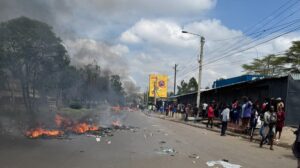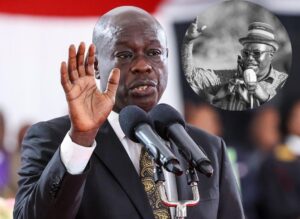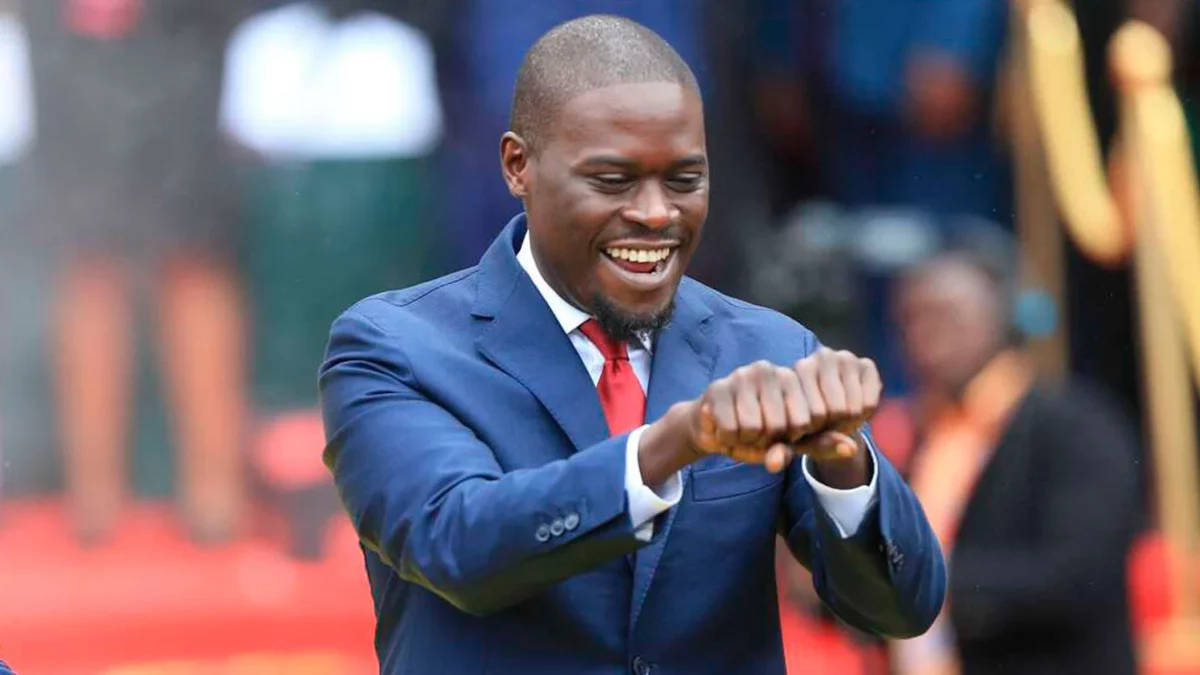
A quiet tension unfolded in Nairobi as President William Ruto and opposition leader Raila Odinga joined forces to halt the looming impeachment of Governor Johnson Sakaja. What began as a sharp political showdown has now settled into a fragile truce.
Members of the County Assembly (MCAs) from both UDA and ODM had amassed enough signatures to launch a formal impeachment bid. They accused Governor Sakaja of sidelining them in key decisions—from ward development projects to student bursaries.
Yet on Tuesday, a different scene played out.
At State House, Ruto urged UDA-aligned MCAs to rethink their move, warning that political sparring threatened essential services. “Leadership requires resilience, not retaliation,” he told them.
Meanwhile, Raila Odinga met ODM MCAs in Nairobi and persuaded them to pause their impeachment plans for a month. Party leaders later announced that the governor had agreed to apologise, address concerns, and work more closely with the assembly.
For his part, Governor Sakaja acknowledged the criticisms and promised to improve relations with the assembly. He pledged to clarify the handling of ward funds and bursary allocations, issues that had sparked much of the discontent.
Not everyone was convinced. Embakasi Central MP Benjamin Gathiru, known as “Meja Dong,” dismissed the intervention as a political rescue act. “Whether he is saved or not, Nairobi residents have decided he must go,” he said.
Some ODM MCAs also expressed doubts. Kileleshwa MCA Robert Alai questioned whether Sakaja would change course, warning that “party politics should not come before service delivery.”
Still, Sakaja’s allies believe the intervention gives him a chance to reset. Elected on a UDA ticket in 2022, he has tried to position himself as a bridge-builder between competing interests in the capital.
Raila Odinga emphasised that point in his remarks: “Nairobi must not be held hostage by partisan agendas. We must protect the city’s future.”
For now, the truce offers Nairobi a temporary reprieve. But the countdown has begun. When the one-month window lapses, Sakaja will face the test of whether promises of cooperation can be matched by action
About the Author