NAIROBI — A new body of experts has been sworn in to begin the long-awaited task of compensating Kenyans harmed in protests since 2017.
The 18-member panel now carries the weight of restoring faith in justice, after years of anger and unresolved grief.
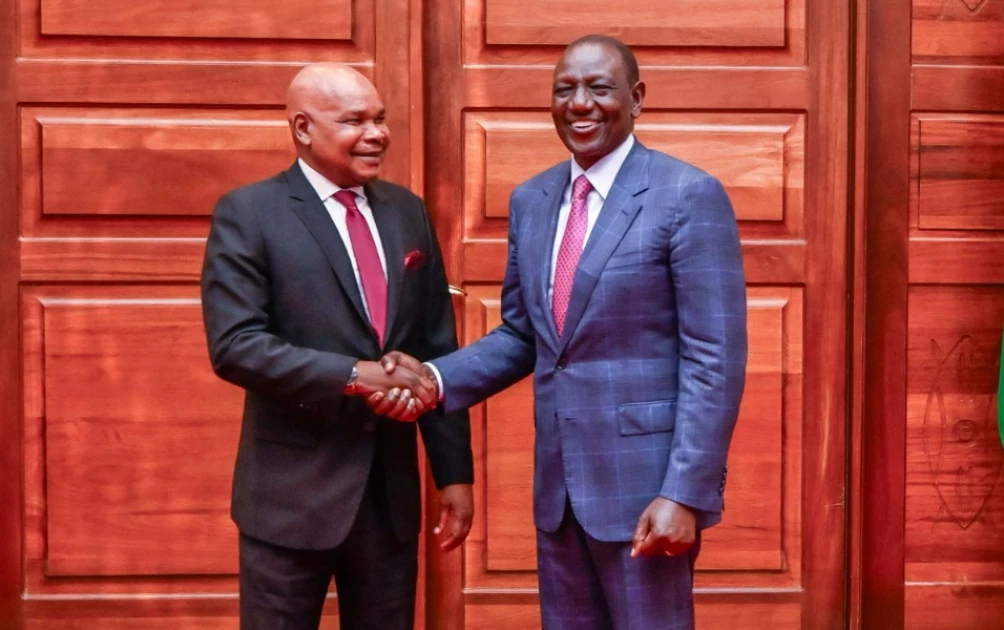
Professor Makau Mutua, President William Ruto’s senior adviser on constitutional affairs and human rights, will chair the panel. Law Society of Kenya president Faith Odhiambo will serve as vice-chair. Their appointment was made official via a gazette notice in August.
“It is time to write a new chapter on peaceful protest,” Prof. Mutua said during the swearing-in. “Too many civilians and some in law enforcement have suffered needlessly.”
Odhiambo acknowledged the weight of public scrutiny in her role. “I have in no way betrayed your trust,” she insisted. “I’ve taken what may be an unpopular step because justice demands it.”
She recalled the pain of families like that of Joseph Oloo Abanja and Lensa Achieng, whose infant daughter died during a police raid in Kisumu. The case, she noted, symbolises a broader failure by institutions to deliver justice swiftly and sensitively.
Mandate with Challenges
The panel faces a vast and emotional mandate. It must build a system to verify who qualifies for compensation, categorise victims, and award payments fairly. Engaging communities and ensuring inclusiveness will be central to its work.
Its first working session with a technical team is set to convene at the Kenyatta International Convention Centre later this week.
Carrying National Hopes
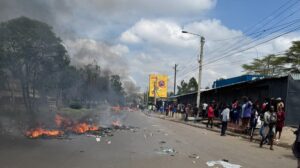
This effort follows deadly protests—sparked by political and economic discontent—that shook the country in the past two years. Scores of people were killed, and many more injured, yet few perpetrators have been held to account.
For many Kenyans, this panel represents hope—not only for compensation, but for accountability and the confidence that exercising rights need not carry fatal risk.
But how effectively the panel can manage tensions, handle complex claims, and deliver timely justice remains to be seen.
What Triggered Kenya’s Protests Since 2017
Kenya has seen repeated waves of unrest in recent years, often sparked by elections, economic policies, and allegations of police brutality.
- 2017 Election Disputes: Post-election violence broke out after contested presidential results. Security forces were accused of using excessive force, leaving dozens dead.
- 2020–2021 Lockdown Protests: Pandemic curfews and restrictions led to clashes, with reports of extrajudicial killings and harassment by police.
- 2023–2024 Cost-of-Living Demonstrations: Tax hikes and high food and fuel prices brought thousands into the streets. Amnesty International and other rights groups documented scores of deaths.
- 2025 Youth-Led Protests: The most recent unrest saw young Kenyans mobilise against unemployment, corruption, and shrinking democratic space.
Rights groups estimate that hundreds have been killed in protest-related violence since 2017, many in poor urban neighbourhoods. Families have long demanded compensation and justice, with little progress until now.
About the Author