KATHMANDU — Nepal has sworn in its first interim ministers after days of violent protests that forced out the government and left at least 72 people dead.
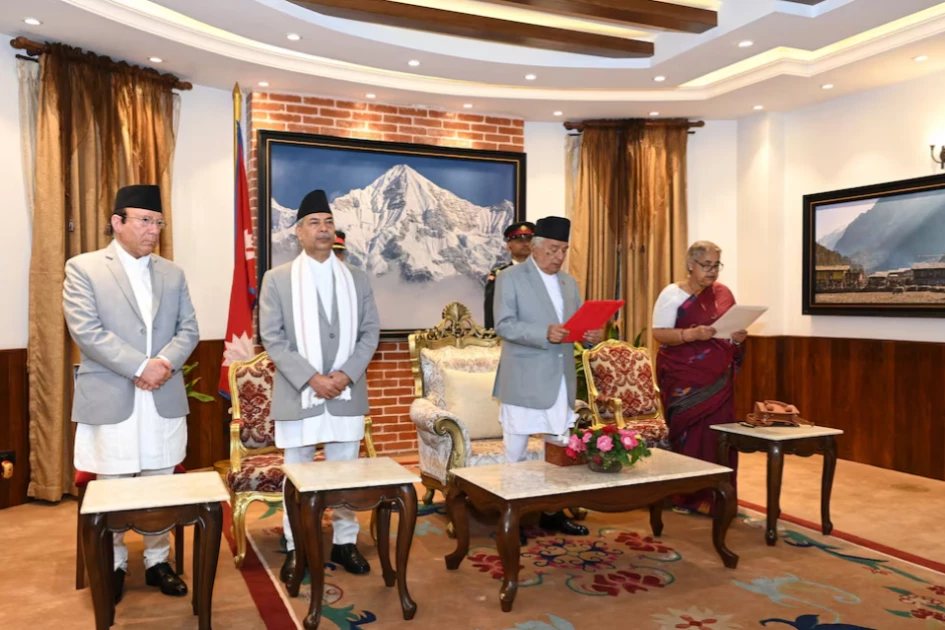
Sushila Karki, a former chief justice and the country’s first woman interim prime minister, took the oath of office on Friday. Three new ministers were formally sworn in on Monday in a ceremony staged beneath the fire-scorched walls of the presidential office in Kathmandu.
The swearing-in, broadcast live on national television, followed youth-led demonstrations that erupted on 8 September. The protests, sparked by a ban on social media, quickly escalated into the worst unrest since Nepal’s civil war ended in 2006 and the monarchy was abolished two years later.
According to government figures, nearly 200 people remain in hospital. Entire sections of parliament and other state buildings were set alight as anger over corruption and economic stagnation boiled over.
President Ram Chandra Paudel, who presided over the ceremony, urged calm as the country braces for elections scheduled in March. “The people’s voices have been heard,” he said in brief remarks. “It is now the duty of this government to rebuild trust.”
Ms. Karki, 73, now faces the daunting task of responding to protesters’ demands for accountability and reform. “The youth of Nepal want a future free of corruption and despair,” she said after taking her oath. “We must begin by restoring faith in public service.”
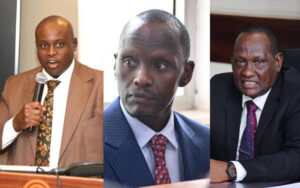
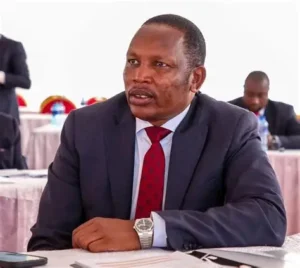
Her new cabinet includes prominent figures drawn from civil service and public advocacy:
- Om Prakash Aryal, a lawyer known for his cases against graft and rights abuses, now holds the powerful home ministry, along with law, justice and parliamentary affairs.
- Kulman Ghising, once celebrated for ending years of crippling electricity blackouts as head of the Nepal Electricity Authority, has been given responsibility for energy, infrastructure, transport and urban development.
- Rameshwor Khanal, a respected economist and former finance secretary, has been appointed finance minister. He will confront unemployment levels that, according to the World Bank, leave one in five young Nepalis out of work.
Analysts say the appointments reflect an effort to stabilise the country by tapping experienced technocrats rather than political loyalists. But critics caution that without deeper political reform, the unrest could resurface.
“The anger on the streets was not just about corruption — it was also about exclusion, joblessness and lack of hope,” said Kunda Dixit, a Kathmandu-based political commentator. “This cabinet has a short window to show it is listening.”
For many Nepalis, the events of the past week remain raw. Shops in central Kathmandu were still shuttered on Monday, and charred debris lay outside the blackened gates of parliament.
Whether the interim government can hold the country together until March may depend on how swiftly it can address demands for change — and whether a traumatised public is willing to believe promises it has heard before.
About the Author