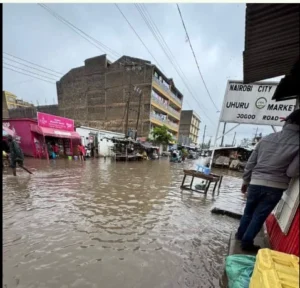
Kenya’s environmental regulator has issued a sharp warning over the return of plastic bags, eight years after the country imposed one of Africa’s toughest bans.
The National Environment Management Authority (NEMA) said it was alarmed by the reappearance of banned bags in shops and markets, despite the 2017 prohibition on their manufacture, importation, and use.
“Any person who manufactures, imports, exports, uses, sells, offers for sale, or possesses plastic carrier bags or flat bags without a licence commits an offence,” the agency said in a public notice earlier this month. Violators face prison terms of up to four years or fines ranging from two to four million shillings, or both.

Dr Mamo B. Mamo, NEMA’s Director-General, stressed that only licensed dealers are permitted to handle plastic packaging under updated regulations introduced last year. These rules require manufacturers to register through the authority’s online portal and ensure that all packaging carries clear labelling of both producer and user.
Inspections are under way across the country. NEMA has also appealed to the public to report any cases of illegal production or sale.
The plastic bag ban was first hailed in 2017 as a landmark policy, drawing international praise for curbing waste that had clogged drainage systems, choked rivers, and harmed livestock. At the time, environmental campaigners described Kenya’s penalties as some of the strictest anywhere in the world.
But compliance has been uneven, particularly in informal markets. Environmental groups warn that a resurgence in plastic bags could undermine years of progress.
NEMA insists it is committed to enforcing the ban. “We remain focused on ensuring a clean, safe, and healthy environment for all Kenyans,” the authority said.
The statement comes as governments globally face renewed pressure to limit single-use plastics, with the United Nations working toward a binding treaty on plastic pollution by 2025.
About the Author