
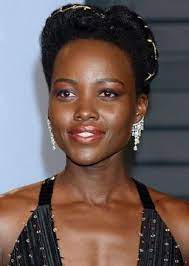
LONDON — Lupita Nyong’o has never shied away from speaking her truth. Now, the Oscar-winning actress is opening up about her 11-year struggle with uterine fibroids, hoping her story will help other women feel less alone.
In a candid post on Instagram this week, Ms. Nyong’o reflected on the decade she has spent living with the condition. She admitted that when she was first diagnosed, she thought it was her fault. “What did I do wrong?” she recalled asking herself.
Over time, she came to see things differently. “You didn’t cause this,” she wrote, explaining that while doctors cannot pinpoint when fibroids form, factors such as genetics and oestrogen play a role. “Science can’t pinpoint when exactly they form, but oestrogen dominance fuels their growth, and I’m genetically predisposed to that.”
Fibroids — noncancerous growths of the uterus — are far more common than many women realise. According to the Mayo Clinic, up to 80 percent of women will have them by the age of 50. Yet, Ms. Nyong’o said, the silence surrounding the condition often leaves women feeling isolated.
“When I started talking about my diagnosis, I was shocked by how many women I knew had them,” she wrote.
Breaking the Silence

The actress urged women to open up and lean on support networks. She pointed to communities such as We Can Wear White, which connect women living with fibroids. “If your mum, sister or aunt has them, you might be prone too,” she said, stressing the importance of knowing family history and sharing it with doctors.
She also offered practical advice. She keeps a diary of her menstrual cycle — not just timing, but details about flow, clots, cramps and pain. “Fibroids change things subtly over time,” she said. “Keeping a diary helps in communicating with your doctor.”
Perhaps her strongest message was to trust one’s instincts. “Period pain, heavy bleeding and clotting aren’t normal,” she wrote. “If something feels off, believe yourself.”
Seeking Care
Ms. Nyong’o admitted she has often dreaded medical visits. Still, she urged women to prioritise check-ups and insist on seeing practitioners who specialise in fibroids. “Experience brings context and better management strategies vs panic and drastic suggestions,” she said.
She advised taking a trusted companion to appointments, asking questions and taking notes. She also suggested seeking second opinions when in doubt.
Beyond Surgery
While surgery is often recommended, Ms. Nyong’o said she has explored ways of slowing fibroid growth naturally. She mentioned diet changes, vitamin D, green tea extract and stress management as part of her own approach.
But she was clear about the broader issue: a lack of systemic support for women’s health. “There has been a systemic failure,” she said, calling for more research and funding. She urged her followers to support the Foundation for Women’s Health in advancing fibroid studies.
A Personal Battle

Ms. Nyong’o first revealed her condition publicly in July, recalling how in 2014 — the same year she won her Academy Award for 12 Years a Slave — doctors discovered 30 fibroids in her uterus.
Fibroids, which can range in size from a pea to a melon, disproportionately affect Black women. Research shows that eight out of ten Black women, and seven out of ten white women, will experience them by midlife. Symptoms can include heavy menstrual bleeding, anaemia, pelvic pain and, in some cases, complications during pregnancy.
For Ms. Nyong’o, the journey has been long and difficult. But her message now is clear: women should trust their bodies, speak out and demand better care.
“Make that appointment,” she urged. “The temporary discomfort beats suffering in silence.”
About the Author