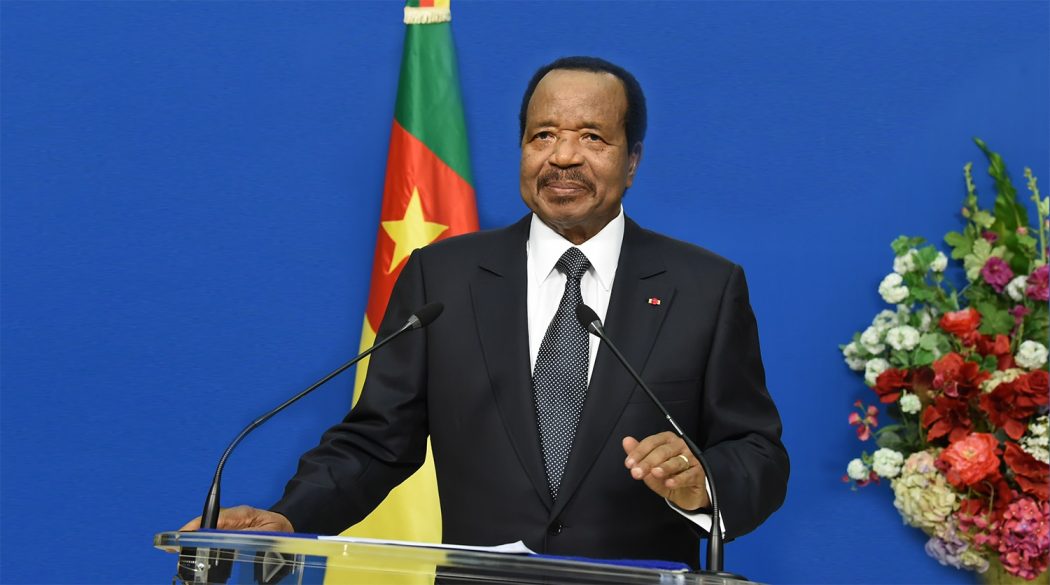
YAOUNDÉ, Cameroon — As Cameroon heads into a tense election season, its most prominent candidate is nowhere to be seen. President Paul Biya, 92, who has ruled the country since 1982, left for Europe days before campaigning began and has not been spotted on home soil since.
His office described the trip as “private,” without giving details. Diplomatic sources told reporters he was in Geneva, a city he has long favoured for extended stays. It is not the first time. A 2018 investigation found he had spent more than four years of his presidency abroad, mostly in Switzerland, at a cost estimated at $65 million.
This latest absence comes at a delicate moment. Biya is running for an eighth term in the 12 October vote, facing 11 challengers. Yet he has not directly addressed Cameroonians since announcing his candidacy on social media in July. Even his scheduled appearance at the United Nations General Assembly in New York was scrapped. He was replaced by his foreign minister.
“The more he stays out of the public eye, the more he maintains the illusion that he is mentally and physically suited for the office,” said David Kiwuwa, head of international studies at the University of Nottingham’s China campus.
For many Cameroonians, that illusion is wearing thin. Opposition groups say his long absences reflect a government detached from its people. “Many Cameroonians are frustrated that the opposition, which has been trying for nearly 30 years to replace President Biya, is still unable at this stage to agree,” noted Arrey Elvis Ntui, senior analyst at the International Crisis Group.
Divisions within the opposition have left Biya as the frontrunner. But the president faces embarrassment closer to home. His daughter, Brenda, briefly urged voters not to support him in a TikTok video last week, only to retract her words days later. “I know nothing about politics. Don’t follow my advice,” she said in a follow-up post.
The controversy has added fuel to long-standing anger over the president’s lifestyle abroad. Cameroonian diaspora groups plan protests in Geneva this week, accusing Biya of spending public funds on luxury trips while millions struggle without reliable water, electricity or healthcare. “How can he rest peacefully in Geneva, at taxpayers’ expense, while his people suffer?” asked Diosky Moresmo, a spokesperson for one such group in Belgium.
Back home, poverty remains widespread. Nearly one in four Cameroonians lives below the poverty line, according to the World Bank. Yet Biya’s party, the RDPC, continues to prepare rallies in his name. Whether the president himself will appear remains uncertain.
For now, the man seeking to extend one of Africa’s longest presidencies is campaigning at a distance — his image carefully managed, his presence conspicuously absent.
About the Author