HAMILTON, Bermuda — On this island better known for its pink-sand beaches and quiet lanes, an unlikely menace is taking hold: chickens.
The birds, once kept in coops, have gone wild. They now roam freely across farmland, parks, and backyards, their constant crowing and appetite for crops turning them into a full-scale nuisance.
“They’ve destroyed entire fields overnight,” said one farmer in Devonshire, pointing to the stubs of what had been young broccoli. “You put in weeks of work, and it’s gone in hours.”
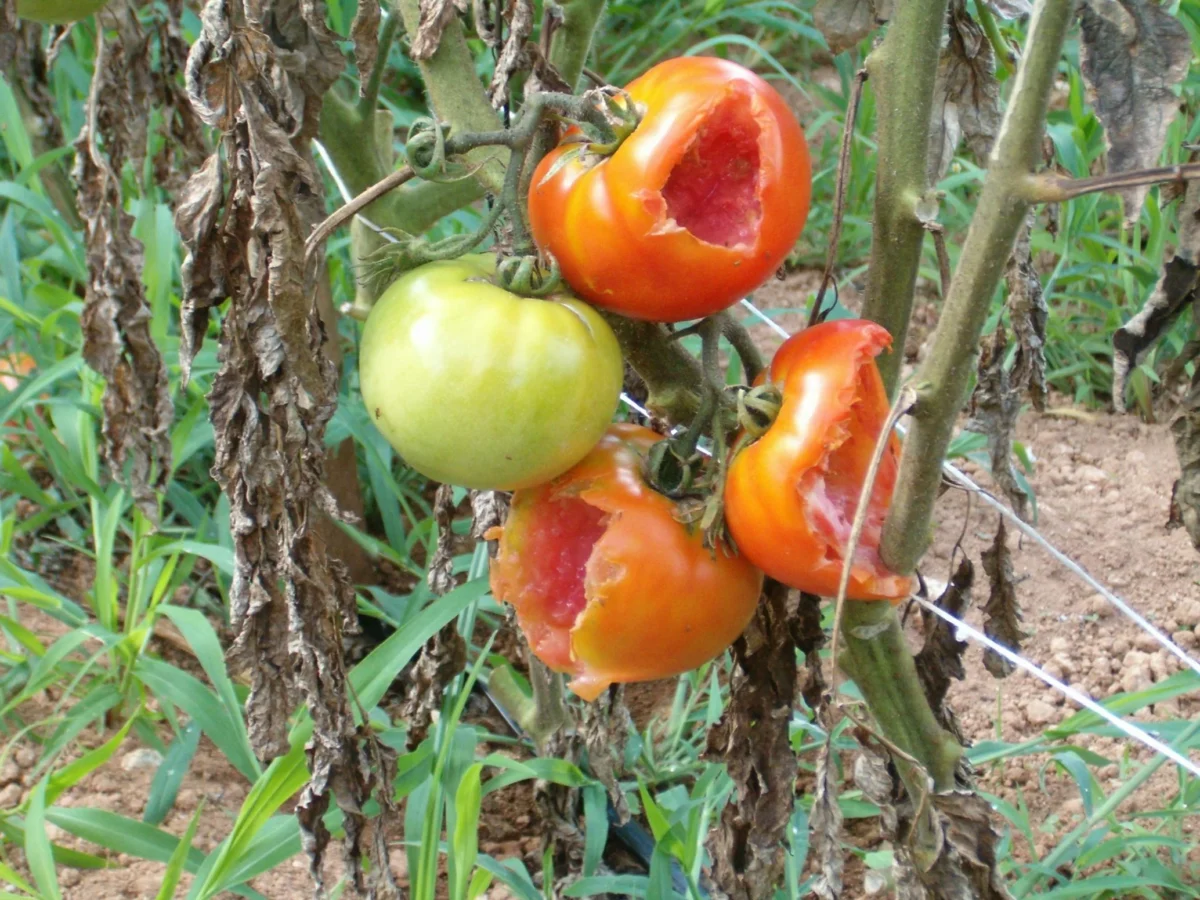
The government estimates that farmers are losing hundreds of thousands of dollars each year as feral chickens tear through vegetables and fruit. Crops such as kale, beans, lettuce and bok choy are particularly vulnerable when seedlings first emerge. Mature plants fare little better, with tomatoes, bananas, cucumbers and strawberries all at risk.
The cost, farmers say, is more than financial. “It’s the seed, the fertiliser, the labour, everything that went into those plants,” said another grower. “Losing them like this is crushing.”
Beyond agriculture, the birds have become an everyday irritation for residents. Complaints about roosters crowing through the night are common. Parks and nature reserves, meanwhile, are home to thriving flocks that have no natural predators. Chicks may fall prey to rats or crows, and some birds are killed by cars, but nothing is enough to curb the population.
Officials also worry about disease. With bird flu spreading in parts of the world, environmental officers warn that feral chickens could act as carriers if the virus ever reached Bermuda. Their presence in reserves makes the risk of transmission to other wild birds more plausible.

The Department of Environment and Natural Resources has urged residents not to feed feral chickens and to destroy eggs found on private property. “Every little step helps keep numbers under control,” the agency advised in a recent statement.
Still, the problem is proving stubborn. Farmers across all parishes report losses, and the absence of natural predators means the population is likely to keep growing. For a territory that imports much of its food, the damage raises wider concerns about Bermuda’s ability to strengthen its own food security.
As one farmer put it, watching chickens pick at the edges of his field: “They’re small birds, but the damage they do is enormous.”
About the Author