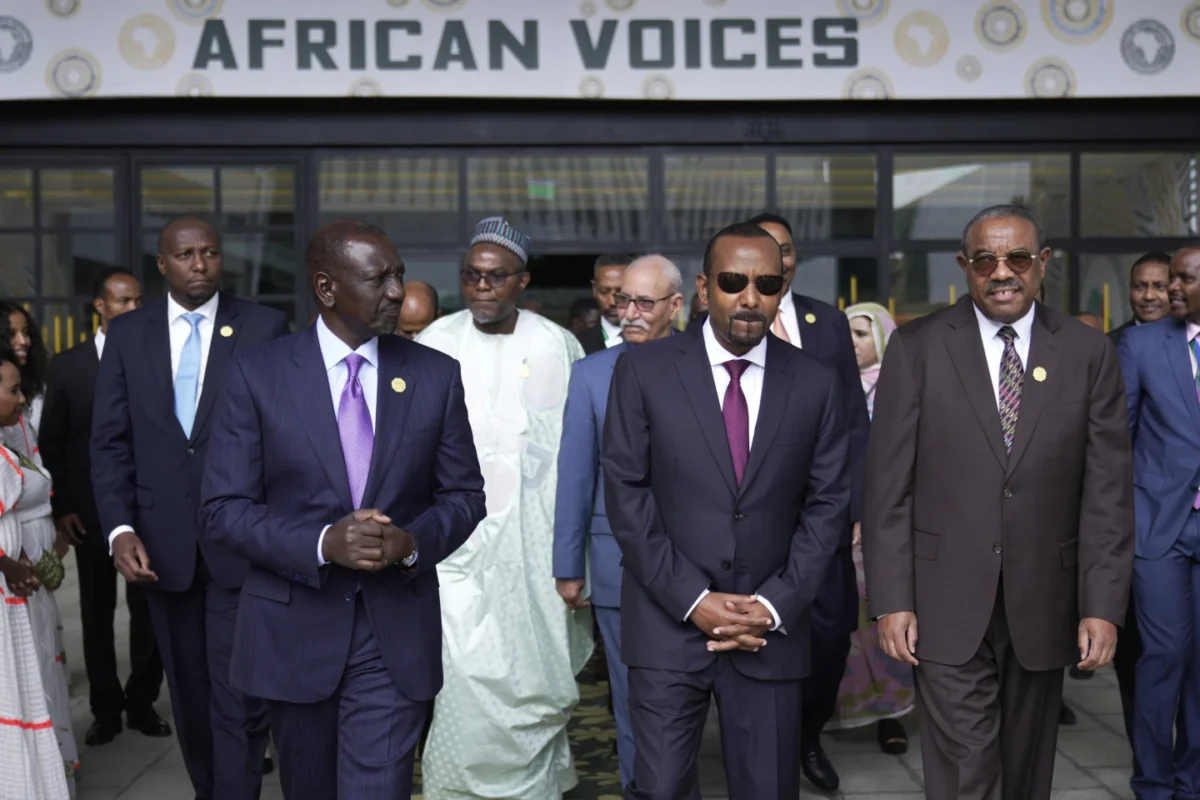
ADDIS ABABA – African leaders have begun to cast the climate crisis not as a burden, but as a chance to drive economic growth. At the second Africa Climate Summit in Ethiopia’s capital, they challenged the global narrative and offered a bold, home-grown vision for climate leadership.
Ethiopian Prime Minister Abiy Ahmed set the tone early, declaring that the continent is not negotiating its survival but designing the world’s next climate economy. He announced an African innovation drive aimed at producing a thousand climate solutions by 2030, with universities, businesses, and local communities at its heart. Ethiopia also expressed interest in hosting a future global climate conference to cement the continent’s role on the world stage.
This summit follows the first Africa Climate Summit in Nairobi in 2023, which produced the Nairobi Declaration. That document called for sweeping reforms in climate finance, including easier access to concessional loans, fulfilment of the long-delayed promise of annual climate funding from wealthier nations, and the creation of carbon-market systems to raise new money for green projects.
While widely praised, the Nairobi gathering drew criticism for failing to address adaptation needs in vulnerable communities. Civil society groups also warned that market-led carbon schemes might overlook those most exposed to droughts, floods, and food insecurity.
The Addis Ababa meeting sought to build on that momentum while addressing those concerns. Its central aim was to move Africa from the margins of climate debate to its centre — not as a victim of global warming but as a leading voice in designing sustainable futures
The Summit’s Core Calls
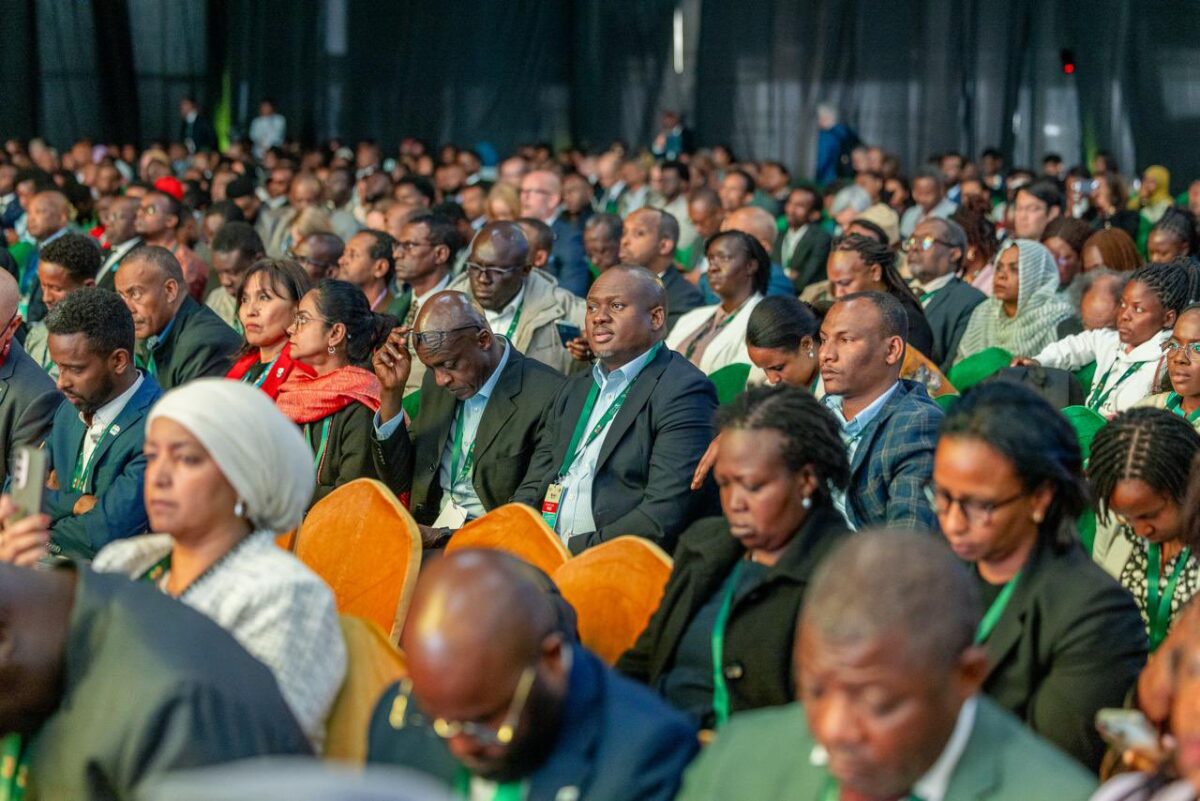
Leaders at the summit delivered a simple but urgent message: ambition is not enough without fair finance. Africa currently receives only a tiny fraction of global climate funds, despite being one of the regions most at risk. Governments stressed the need for lower borrowing costs, expanded access to concessional loans, and better protection against debt and currency volatility.
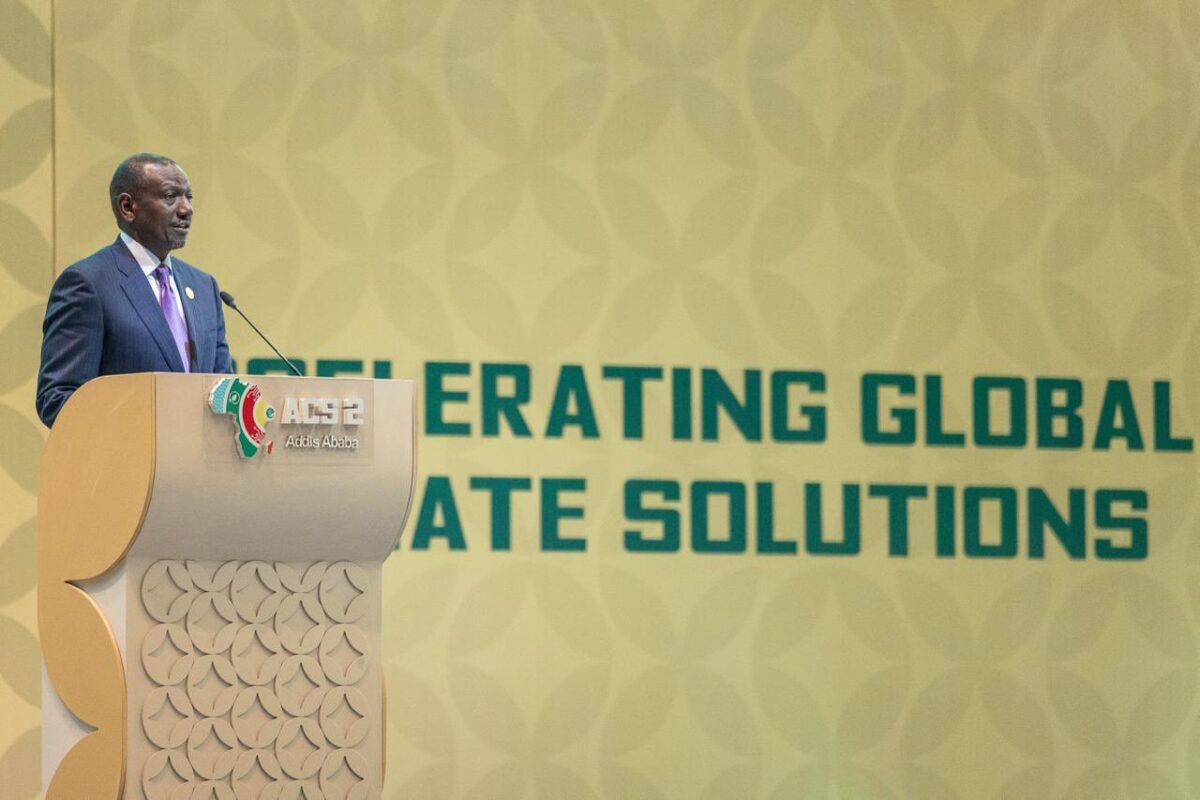
Kenya’s President William Ruto warned that Western retreat from climate promises amounts to a betrayal of trust, calling it a broken “climate blood pact.” He argued that without reliable flows of funding, adaptation projects and resilience plans cannot succeed.
Activists also pressed for bold measures, including taxing the wealthiest and the largest polluters to fill gaps in adaptation funding. Meanwhile, Ethiopia highlighted its own national projects, from a vast new dam that will nearly double electricity output to an ambitious programme to plant 50 billion trees by 2026.
Africa as Climate Actor, Not Victim
The summit marked a turning point in how Africa presents itself to the world. Leaders argued that the continent could be the first to industrialise on a truly sustainable path. They linked climate justice directly with economic growth, arguing that green energy and smart agriculture can generate jobs while reducing emissions.
Speakers stressed that for this vision to work, investments must be transparent and accountable, and communities most affected by climate change must have a central voice. Calls were also made to reform international financial systems so that Africa’s specific challenges are recognised and addressed fairly.
The Addis Ababa summit was not positioned as a stand-alone event but part of a larger journey. Leaders hope the outcomes will strengthen Africa’s negotiating voice ahead of upcoming global climate conferences and push the world toward fairer burden-sharing.
For many, the real test will come after the speeches end — when money must be mobilised, projects must take root, and promises must turn into progress on the ground. What is clear is that Africa has chosen to lead with ideas, ambition, and determination, and expects the world to see it as a partner, not a passive recipient of aid
About the Author