For many Kenyan mothers, breastfeeding outside the home can feel like a quiet battle. They must juggle hungry babies, social judgement and the absence of designated spaces. One thing’s clear: Kenya has a long way to go when it comes to lactating mothers’ rooms.
A live discussion marking World Breastfeeding Week aired on 1st August 2025, where health experts including, Linnet Achieng, Health Programme Manager at the Kenya Red Cross, Clementina Ngina, a public health and nutrition consultant, Caroline Nabukanda Mola, a maternal and child nutrition specialist, took on the issue head-on. The event was live on Switch TV YouTube channel under the theme: “Prioritise Breastfeeding: Create Sustainable Support Systems.”
Across Kenya, many lactating mothers face daily challenges when trying to breastfeed or in public or at work. Most public places, offices and institutions lack dedicated spaces for nursing mothers, forcing women to breastfeed in cars, toilets, or poorly ventilated and unhygienic spaces. This lack of privacy, comfort and hygiene not only undermines a mother’s dignity but also compromises the health and well-being of her baby. A lactating mothers’ room is not a luxury but a basic need.
For working mothers, the absence of lactation rooms in many workplaces poses a major barrier to exclusive breastfeeding. The World Health Organization recommends exclusive breastfeeding for the first six months of life, but without proper support, many women are forced to wean early.
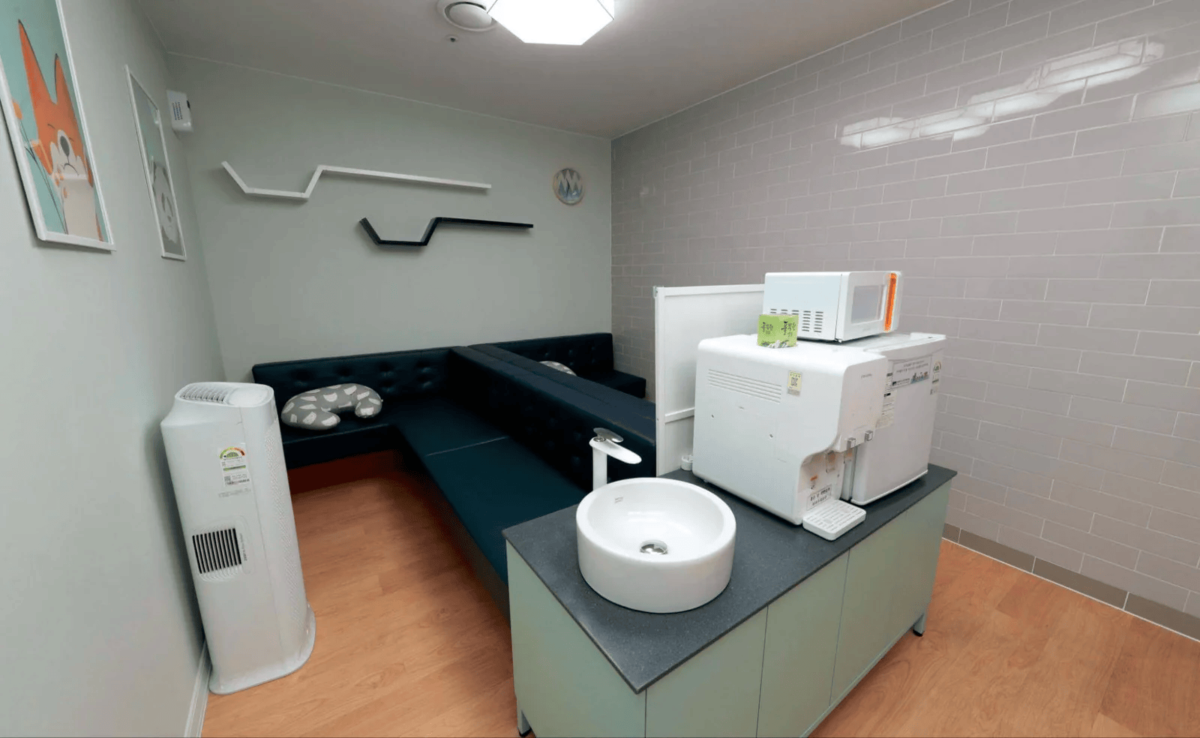
Providing clean, safe and private rooms where mothers can breastfeed or express and store milk is essential for supporting maternal rights and improving infant health outcomes. It also contributes to higher employee retention and productivity for businesses that invest in such facilities.
Red Cross Kenya is committed to advancing maternal and child health and advocates for the integration of lactation rooms in all public institutions, workplaces and commercial spaces. Prioritise Breastfeeding: Create Sustainable Support Systems.” includes engaging policymakers, raising public awareness and partnering with employers to promote breastfeeding-friendly environments. By championing the installation of lactating mothers’ rooms across Kenya, Red Cross Kenya aims to empower women, protect children’s health and uphold every mother’s right to breastfeed with dignity.
Society has normalised having restrooms and prayer rooms in public spaces, yet lactating mothers are left with nothing. Mothers are left with no choice but to feed their babies in toilets, cars, or corridors.
The lack of clean, private and comfortable breastfeeding areas has pushed many mothers to either stay home or give up breastfeeding earlier than recommended. Experts encourage exclusive breastfeeding for the first six months of life but without basic support infrastructure, that goal feels out of reach for many.
The problem is both cultural and logistical. Not just about the physical space. It’s about sending a message that mothers and babies matter. A dedicated lactation room portrays that mothers belong and are accepted into these spaces.
In recent years, a few Kenyan malls and airports have introduced breastfeeding pods or mother-and-baby rooms, but they remain the exception. Most workplaces, government buildings and public transport hubs still offer no facilities at all.
As seen this is such a huge gap which affects not just mothers, but society as a whole. The lack of support of breastfeeding in public or in the workplace, actually hurts a child’s health and long-term development.
Both public and private sectors have a long way to go when it comes to supporting mothers. Recommendations that will enable to achieve children nutrition and food security through offering lactation rooms include:
- Requiring all major employers to offer clean lactation rooms.
- Adding breastfeeding rooms to malls, hospitals, universities and bus stations.
- Including these spaces in building codes and urban planning.
The broadcast sparked a wave of conversation online, with many mothers sharing their own struggles some breastfed in parked cars, others in washrooms and some even behind garbage cans.
This shouldn’t be the norm at all. Healthy children and empowered mothers should be made a priority.
About the Author