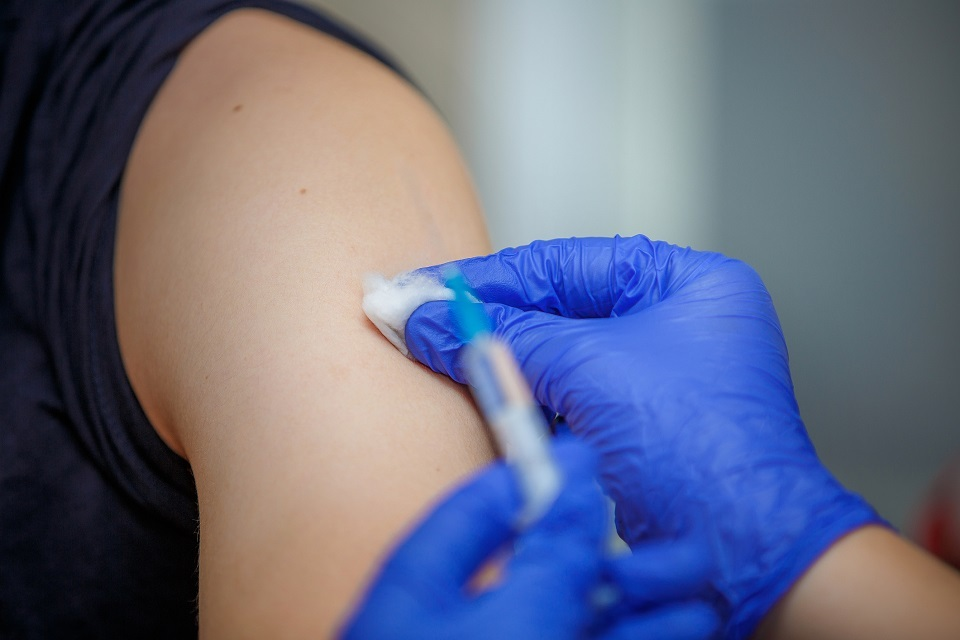
In a world-first, England has launched a national vaccination programme against gonorrhoea, aiming to curb soaring infection rates and growing antibiotic resistance.
The NHS rollout began this week in sexual health clinics across the country, targeting groups at the highest risk. The vaccine known as Bexsero®, originally developed to fight meningitis B has shown promise in protecting against gonorrhoea, a closely related bacterial infection.
“This programme is a world-first and a vital step in tackling rising gonorrhoea cases, which are increasingly resistant to antibiotics,” said Professor Sir Stephen Powis, National Medical Director for NHS England.
Health officials are focusing the first phase of the rollout on gay, bisexual, and other men who have sex with men (GBMSM), particularly those who’ve had multiple partners or a recent bacterial STI. Other high-risk groups may also be included.
Gonorrhoea cases in England have surged in recent years. In 2023, more than 85,000 cases were recorded triple the number from just a decade ago and the highest since record-keeping began in 1918.
Experts hope the vaccine will offer a new line of defence as existing treatments become less effective. While not foolproof, studies show the jab can reduce the risk of infection by around 40%.
“Even moderate protection will make a significant public health impact given the scale of infections and growing antibiotic resistance,” said Dr Mary Ramsay, Head of Immunisation at the UK Health Security Agency.
A study by Imperial College London estimates the programme could prevent more than 100,000 infections over the next ten years and save the NHS roughly £8 million in treatment costs.
The vaccine programme is part of the government’s broader shift towards prevention, outlined in its “Plan for Change.” During appointments, eligible patients may also receive vaccines for mpox, HPV, and hepatitis A and B.
Steve Russell, NHS Director for Vaccination and Screening, said the rollout could inspire other countries: “We are setting the standard in global STI prevention. We hope others will follow.”
Clinics across England will continue to identify and contact eligible patients, with full national coverage expected by September 2025.
Health officials are urging those who think they qualify to check with their local sexual health clinic.
About the Author