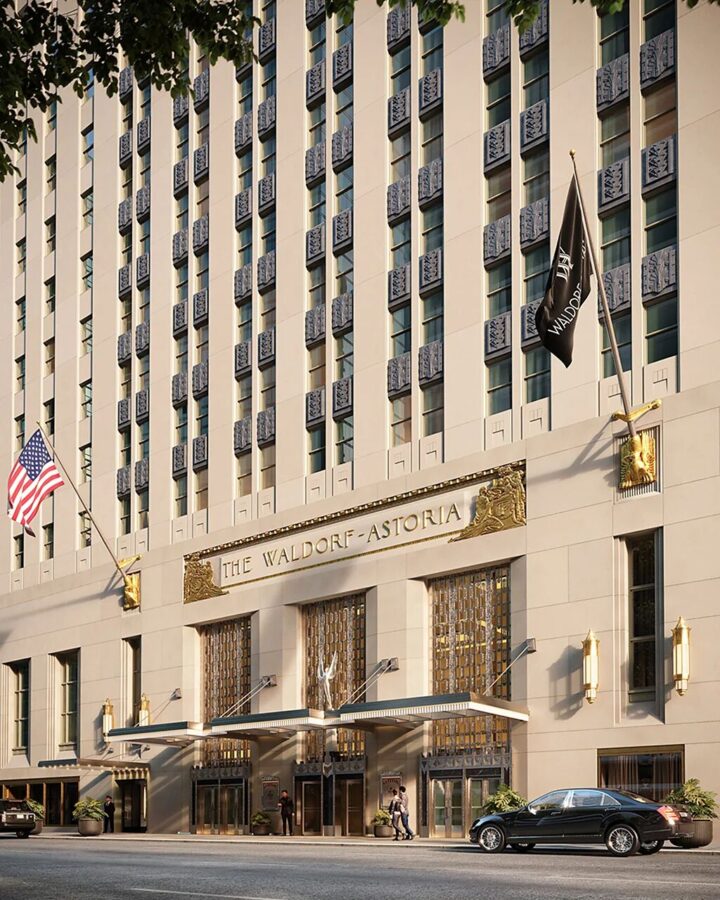
Inside the Waldorf Astoria:Secrets Behind New York’s Iconic Hotel
New York – The Waldorf Astoria isn’t just a hotel it’s a New York institution. From inventing room service to hiding secret train tracks, the hotel has played a defining role in the city’s social, political, and cultural fabric for more than a century. After an eight-year restoration, the historic Park Avenue landmark has reopened, revealing a blend of restored elegance and modern luxury.

Originally established in 1893 and relocated in 1931, the Waldorf has long been a symbol of prestige and progress. At its grand reopening during the Great Depression, President Herbert Hoover delivered a radio address calling it a “demonstration of confidence in the future.”

Today, with historic murals and Cole Porter’s grand piano back on display, the hotel continues to reflect its storied past. Here are six reasons why the Waldorf Astoria remains a cornerstone of hospitality history.
The Waldorf was the first hotel in New York to offer room service and in-room telephones amenities that would later become industry norms. Its commitment to innovation and elegance made it the preferred stay for royalty, diplomats, and celebrities. “It quickly gained a reputation for hosting cultural and political leaders,” said historian David Freeland. “That reputation only deepened over time.”
In the early 1900s, dining in public was still unusual for New York’s elite. The Waldorf flipped that notion. It became a rare venue where women could dine alone without scandal. Its kitchens introduced iconic dishes, including the Waldorf Salad, eggs Benedict, and red velvet cake.
Today, the hotel’s Lex Yard restaurant features modern takes on these classics, including a red velvet soufflé and a reimagined Waldorf Salad by chef Michael Anthony.

Originally a passage linking two hotels, the Waldorf and the Astoria, Peacock Alley was known for its fashionable foot traffic. The newly redesigned lounge brings back that legacy with vintage details, including the 1893 lobby clock and a mural behind the bar. The original ambiance glamorous and watchful remains intact.

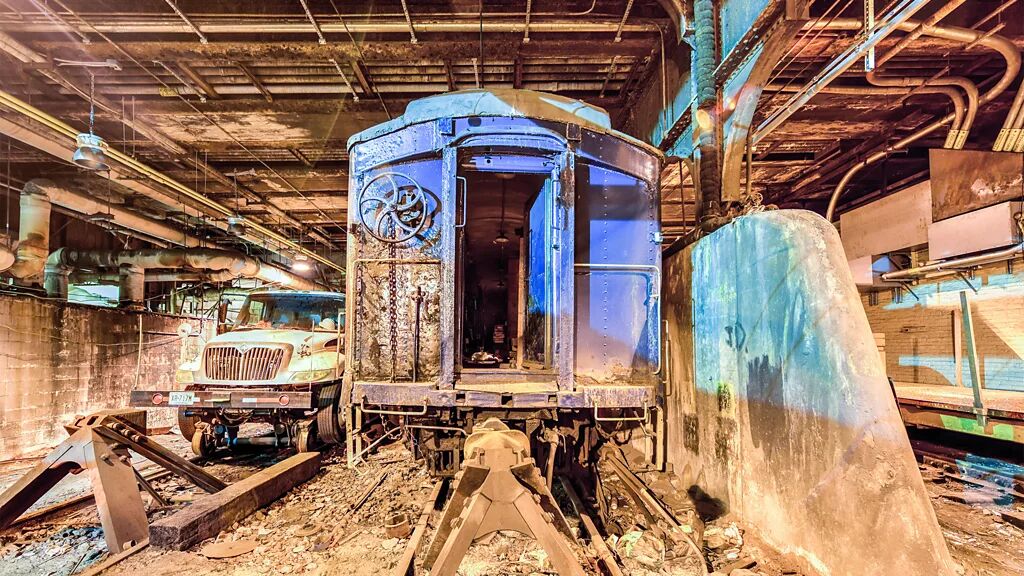
Below the hotel sits Track 61, a private rail line once used by high-profile guests including President Franklin D. Roosevelt, who allegedly used it to enter the hotel discreetly. Though no longer operational, the hidden track remains part of the hotel’s lore and inspired the name of the new Lex Yard restaurant, a nod to the original Lexington Avenue railyard.
When the United Nations established its headquarters in New York in 1946, the Waldorf agreed to house international delegates regardless of race. This was significant at a time when discrimination in public accommodations remained widespread in the U.S.
In return, the UN chose the Waldorf as its preferred venue for events and accommodations. The hotel later hosted global gatherings, including the first Met Gala and meetings of the UN Council of Foreign Ministers.
Once home to more than 1,400 rooms, the newly renovated Waldorf now features just 375 each averaging over 570 square feet. That makes its guest rooms larger than many Manhattan apartments, combining heritage charm with spacious comfort.

From its architectural splendor to its role in shaping modern travel, the Waldorf Astoria remains one of the most influential hotels in the world. Its newest chapter, steeped in both history and refinement, proves the legend is far from over.
About the Author