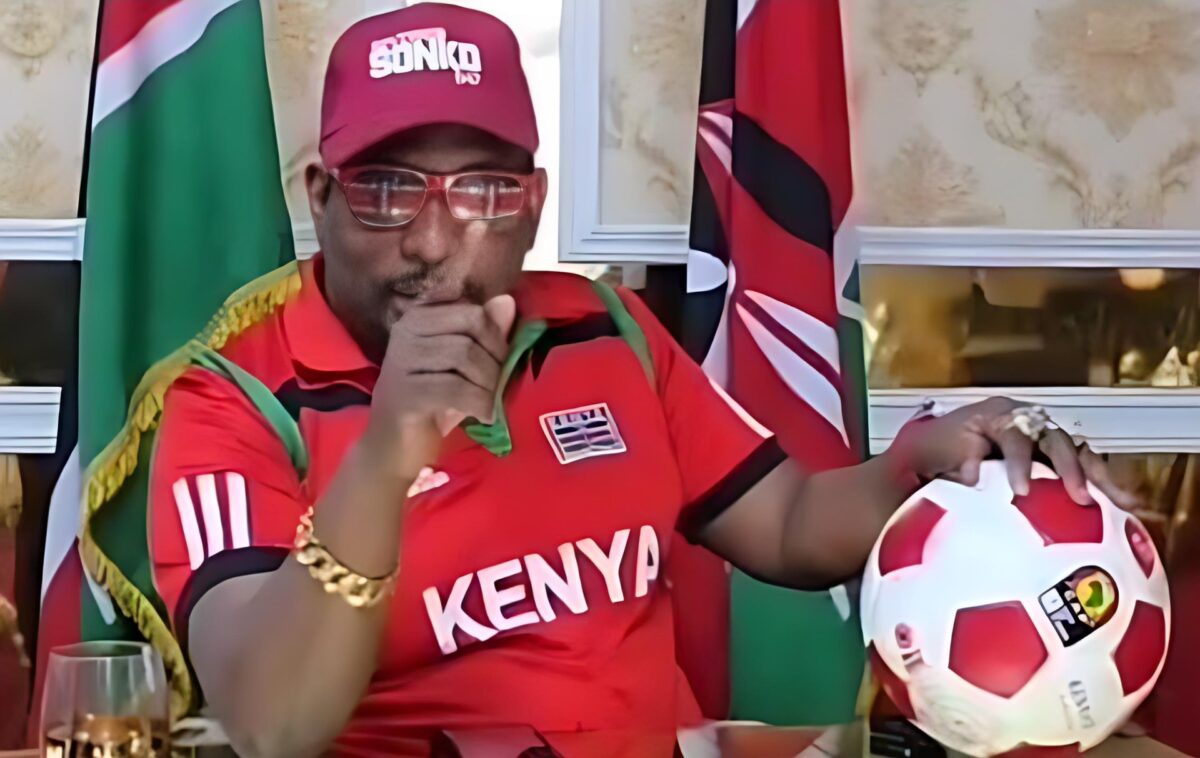
NAIROBI -Former Nairobi governor Mike Sonko has gone to football’s highest tables in Africa with a bold petition. He wants Kenya’s quarter-final exit from the African Nations Championship (CHAN) overturned.
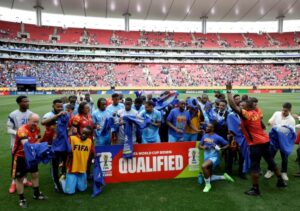
Sonko argues that Harambee Stars were unfairly denied victory against Madagascar after two goals were disallowed. The match ended 1-1 after extra time, before Madagascar edged Kenya 4-3 in a penalty shootout at Kasarani Stadium.
“The conduct by the match officials … is greatly prejudicial to the Republic of Kenya,” Sonko said in an affidavit filed in Cairo within the mandatory 48-hour window. The petition has been served to the Confederation of African Football (CAF), the Madagascar team, and Kenya’s own federation.
The case has stirred debate across the continent. Can a football match really be replayed after the final whistle?
What the Rules Say
According to FIFA’s Laws of the Game, matches that are abandoned — whether due to weather, violence, or unsafe conditions — are usually replayed. The decision, however, lies not with the referee but with the competition organisers.
CAF’s regulations echo this. Its Local Organising Committee can order a replay if storms flood a pitch, a power cut halts play, or security collapses. But if a team is directly responsible for abandonment — say, by refusing to play or sparking unrest — CAF can instead award the win to the opponent.
Suspension and abandonment are treated differently. Temporary stoppages, such as for heavy rain or power failures, can allow play to resume once conditions improve. A prolonged halt, however, leads to abandonment, with the organisers deciding whether to replay or reschedule.
Another critical threshold: if a team cannot field at least seven players due to injuries, red cards or other disruptions, the match must be stopped. Political unrest, health crises, or other extraordinary events can also force fixtures to be shifted or replayed.
Where Referees Stand
One area remains beyond challenge: a referee’s judgment call. FIFA is clear that decisions made “on facts connected with play” are final. That includes goals, fouls, or penalties. A poor offside call, however glaring, does not by itself justify a replay.
Yet exceptions exist. If a referee misapplies the rules — for instance, by allowing an ineligible player or miscounting penalty kicks — authorities can intervene. CAF follows this principle, adding that bias, corruption, or manipulation may also trigger disciplinary action. In such rare cases, the result can be annulled and either a replay ordered or the win awarded.
What Happens Next
CAF’s Disciplinary Board now faces a race against time. A decision must be made before Madagascar meets Sudan in the semi-finals on 26 August. Sonko has urged the board to halt the semi-final until his complaint is determined.
For Harambee Stars, the petition keeps hope alive — though faintly — after their spirited CHAN debut ended in heartbreak. Kenya’s Mike Kibwage and Alphonce Omija missed crucial penalties, while Madagascar celebrated reaching the last four in only their third tournament appearance.
Whether Sonko’s case will rewrite that story rests in the hands of CAF’s disciplinary panel. For now, the rules seem clear: human error, however painful, rarely justifies a replay. But in football, as in politics, pressure can sometimes bend the game.
About the Author