Plastic pollution is causing widespread disease and early death across the globe, a new report published in The Lancet cautions linking the crisis to at least $1.5 trillion in annual health-related losses. The findings were released just before global talks opened in Geneva aimed at finalizing the world’s first legally binding plastics treaty.
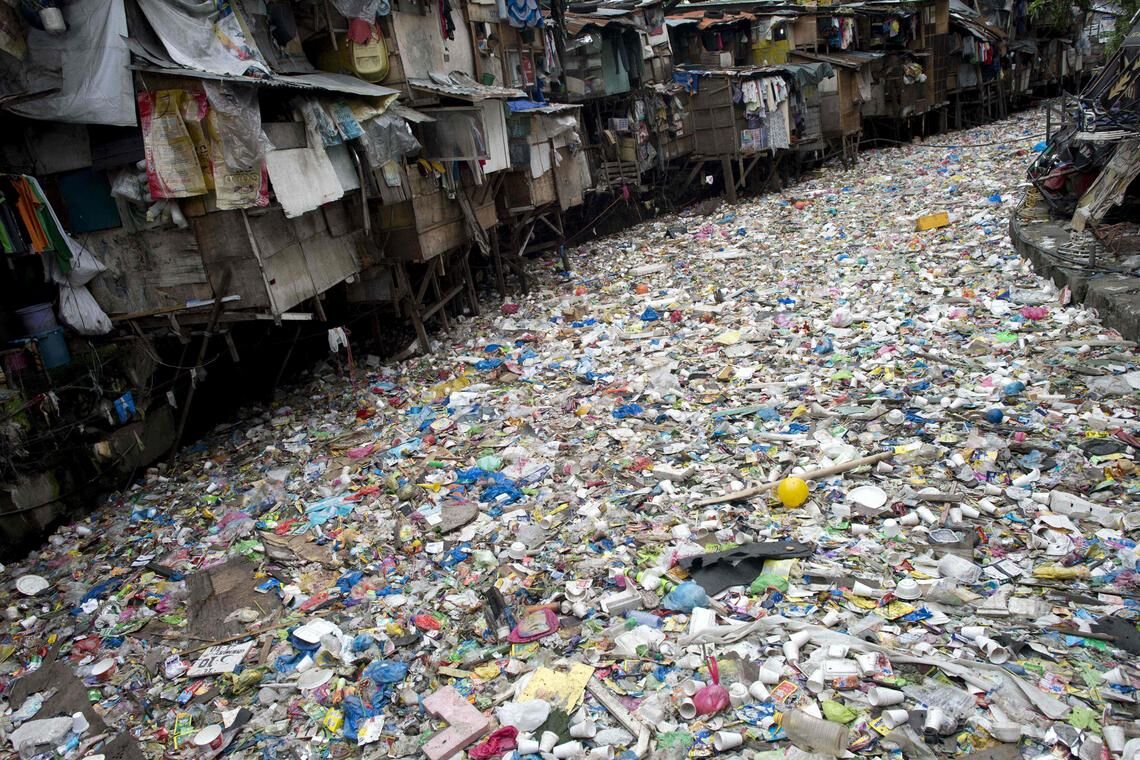
The report states that plastic endangers health from the moment fossil fuels are extracted to manufacture it, through its use, and long after disposal. Toxic exposure, air contamination, and the spread of microplastics have all been linked to a growing number of illnesses including birth defects, cancer, hormone disorders, and respiratory disease.
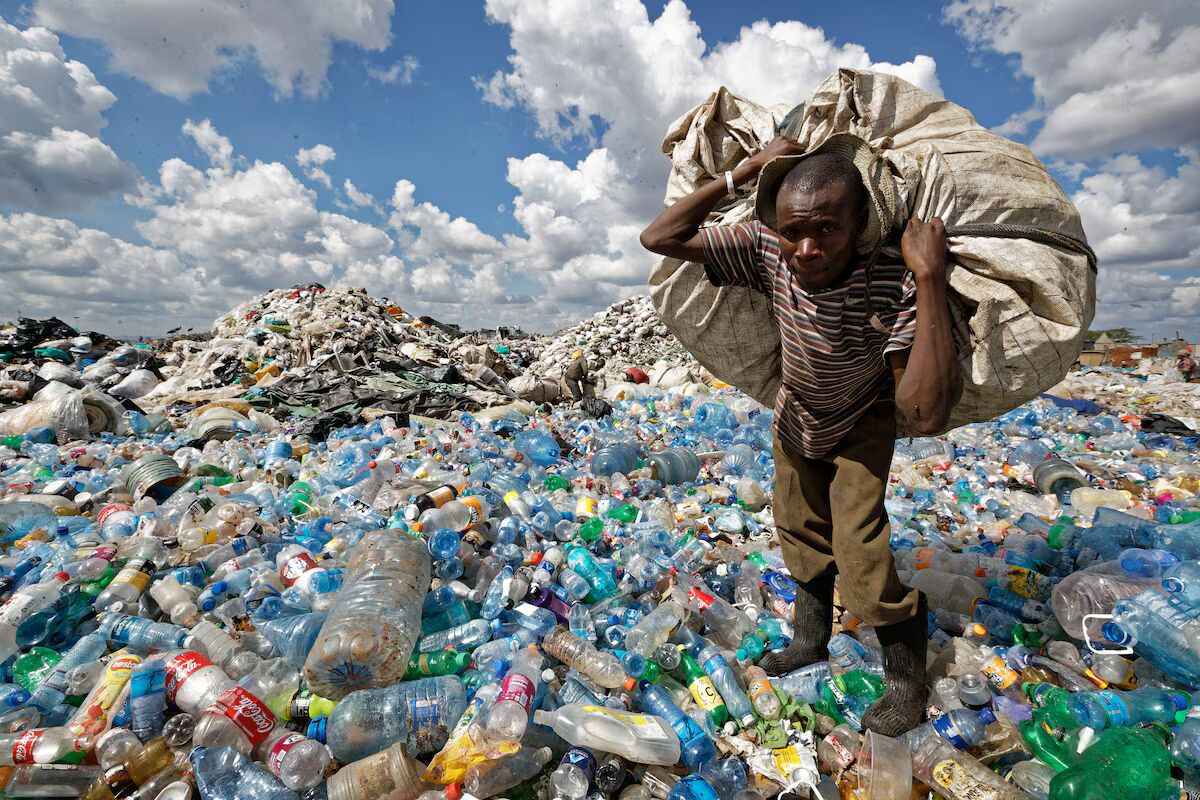
“Plastics cause disease and death from infancy to old age,” said Dr. Philip Landrigan, the report’s lead author. “It is incumbent on us to act in response.”
The scale of the problem has grown sharply. Global plastic production has risen more than 200 times since 1950, reaching 475 million metric tons in 2022. That figure is projected to exceed one billion tons by 2060. Single-use plastics, such as packaging, have driven most of this surge. Less than 10% of plastic is currently recycled, the report notes.
The review highlights how plastic pollution threatens human health even before it becomes waste. More than 98% of plastics are derived from fossil fuels, making their production highly polluting. Researchers found that air quality suffers around extraction sites, factories, and in communities near plastic incinerators.
Tiny plastic particles microplastics and nanoplastics have already been detected in human blood, lungs, placenta, and even bone marrow. These particles enter the body through food, water, and air. Their full impact remains unclear, but they have been associated with inflammation, stroke, and heart disease.
Foetuses, newborns, and young children are especially vulnerable. The report links plastic exposure to increased risks of miscarriage, premature birth, developmental delays, and childhood cancer.
“These impacts fall most heavily on infants and children,” Landrigan said. “They result in huge economic costs to society.”
Plastic’s impact is also environmental. Littered containers often collect stagnant water, creating breeding grounds for mosquitoes and raising the risk of disease outbreaks in tropical regions.
The study also connects plastic pollution to climate change. Plastic manufacturing accounts for an estimated 2 billion metric tons of carbon dioxide emissions each year more than the total emissions of Russia.
“Plastic and climate change are twin crises,” Landrigan said. “Both are causing disease, death, and disability today. Both are accelerating.”
Negotiations now underway in Geneva involve representatives from more than 170 countries. A key point of division is whether to impose a cap on plastic production. Many nations back the cap, while oil-producing states, led by Saudi Arabia, argue for focusing on recycling.
The Lancet report dismisses recycling as a viable solution. “It is now clear the world cannot recycle its way out of the plastic pollution crisis,” the review stated. Unlike materials such as glass and aluminum, plastics are made with complex chemical formulas that are difficult to break down.
The review identified more than 16,000 chemicals used in plastic manufacturing, including flame retardants, colorants, and stabilizers. Many of these are linked to hormonal disruption, reproductive issues, and cancer. However, most of them are not labeled or disclosed by manufacturers.
The report proposes a global framework to reduce plastic production, restrict hazardous chemicals, and invest in safe alternatives. It also launched The Lancet Countdown on Plastics and Health, a new data-tracking effort to monitor plastic’s impact on human well-being.
“The evidence is clear, and the damage is accelerating,” Landrigan said. “The longer we wait, the greater the cost in human lives and in dollars.”
The next round of Geneva talks is seen as critical. If countries can agree on enforceable production limits, it would mark a turning point in addressing one of the most pervasive threats to global health and the environment.
Plastic pollution, long framed as an environmental nuisance, now stands exposed as a public health emergency one already playing out in bloodstreams, hospitals, and communities worldwide.
About the Author