The Kremlin has downplayed remarks by US President Donald Trump about moving two nuclear submarines closer to Russia, calling for restraint over nuclear rhetoric as Washington prepares to send a senior envoy to Moscow this week.
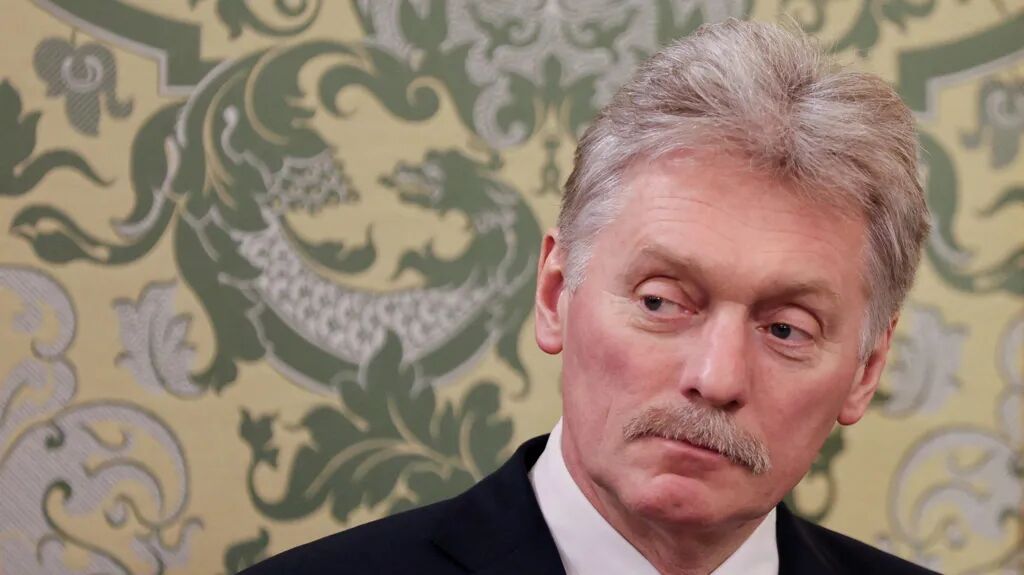
Speaking on Monday, Kremlin spokesman Dmitry Peskov said Moscow does not view Trump’s move as a serious escalation. “American submarines are constantly on combat duty,” Peskov stated, brushing off the notion that the deployment signaled a shift in posture.
The comments follow Trump’s announcement last Friday that he had ordered two nuclear submarines to be stationed in “appropriate regions” in response to what he described as “highly provocative” statements by former Russian President Dmitry Medvedev. Trump did not clarify whether the submarines were nuclear-armed or nuclear-powered.
Medvedev had posted a message accusing Trump of “playing the ultimatum game” after the US president issued a fresh deadline for Russian President Vladimir Putin to end the war in Ukraine. Medvedev has not publicly responded since.
While not naming Medvedev, Peskov distanced the Kremlin from the remarks, saying, “In every country, leaders and officials may hold different opinions, but Russia’s foreign policy is set exclusively by the president.”
Peskov added, “These are sensitive matters. We urge everyone to be cautious with nuclear rhetoric.”
Amid the tension, US envoy Steve Witkoff is expected in Moscow on Wednesday. Peskov confirmed the visit and welcomed the ongoing dialogue. “We are always pleased to receive Mr. Witkoff. These meetings are important and beneficial,” he said, adding a meeting with Putin was possible.
Trump’s warning last week included a deadline of Friday, August 8, for Moscow to agree to a ceasefire or face sweeping new tariffs on oil and other exports. He also signaled plans for secondary sanctions aimed at countries that continue to trade with Russia.
Despite previous efforts to negotiate peace, three rounds of talks between Russia and Ukraine this year have failed. Putin reiterated last week that Russia seeks to “eliminate the root causes of the Ukraine crisis and secure its national safety.”
Russia’s conditions for ending the war remain unchanged. Moscow has demanded that Ukraine adopt neutrality, reduce its military strength, and drop its ambitions to join NATO terms that Kyiv and its Western allies continue to reject.
The White House has not publicly confirmed whether the submarines mentioned by Trump are already in position or what their operational status may be. The Pentagon has also not commented on the deployment.
Relations between Moscow and Washington initially warmed after Trump returned to office, but recent statements indicate renewed friction. Trump has expressed doubts about Putin’s commitment to a peace deal, even while maintaining direct communication channels.
While sanctions on Russia have expanded, Trump admitted last week that Moscow has managed to bypass many restrictions. “They’re good at dodging sanctions,” he said.
With Witkoff’s visit, both countries are expected to explore a diplomatic opening though neither side has hinted at any change in core positions regarding the war in Ukraine.
About the Author