Nairobi – Sexual harassment in Kenyan newsrooms is no longer a whispered secret. It is a crisis, and editors say it must be confronted head-on.
On Tuesday, the President of the Kenya Editors’ Guild (KEG), Zubeidah Kananu, called for urgent reforms across the industry, warning that unchecked abuse threatens not only individual journalists but also the credibility of the profession.
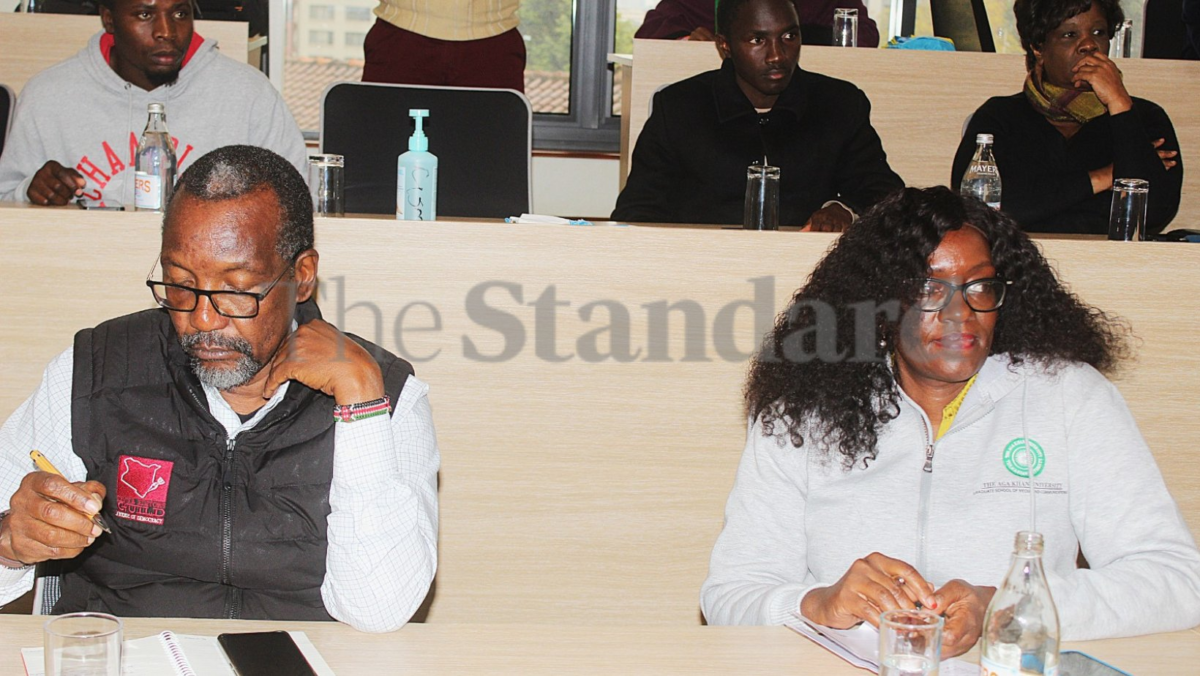
“Sexual harassment is alarmingly pervasive in Kenyan media,” Ms. Kananu said at a forum hosted by Aga Khan University. “It robs our newsrooms of talent, voices and diversity. We must end the culture of silence and impunity.”
A Widespread Problem

The figures are stark. A study by the Association of Media Women in Kenya (AMWIK) found that 60 percent of journalists surveyed had faced harassment during their careers. Globally, about 41 percent of women in journalism report similar experiences, but Kenya ranks among the worst. In one cross-country survey of 20 nations, Kenya had the highest incidence at 56 percent.
Behind these numbers are painful human stories. More than 65 percent of female journalists in Kenya say they have endured physical or verbal abuse on the job. Some left the profession entirely, while others were denied opportunities for advancement.
Yet, according to KEG, very few perpetrators face punishment. “Too often, harassers walk away unscathed while survivors lose their jobs, reputations, or both,” Ms. Kananu said.
Barriers to Justice
Fear of retaliation remains the biggest barrier. AMWIK’s findings show that 83 percent of women journalists never report harassment. Nearly nine in ten say they fear victimisation if they speak up.
In most cases, the accused hold positions of authority — editors, producers, or senior colleagues. Reporting them often feels impossible. “This climate of fear protects predators and leaves victims isolated,” Ms. Kananu said.
Even when cases are known, accountability is rare. A separate survey revealed that 70 percent of Kenyan journalists knew of harassers who escaped punishment despite complaints.
Beyond Policy: Culture Change
Kenya has laws that mandate anti-harassment policies in workplaces, including newsrooms. But KEG argues that implementation has been weak. More than 64 percent of media workers say existing policies are ineffective or poorly communicated.
The problem also runs deeper than procedure. Attitudes within the industry fuel the cycle. Shockingly, over half of male journalists surveyed believed harassment was caused by women’s behaviour or dress. A third of women shared similar views.
“These victim-blaming beliefs reflect pervasive misogyny,” Ms. Kananu said. “They normalise harassment and silence survivors. Harassment is never the victim’s fault.”
A Call to Action

The Editors’ Guild is now pushing for an industry-wide shift. Among the proposals:
- Stronger policies with clear reporting channels, including anonymous hotlines and independent oversight.
- Sector-wide accountability, preventing serial offenders from moving quietly between newsrooms.
- Mandatory training for staff on workplace ethics, respect, and bystander intervention.
- Support systems such as counselling and peer networks for survivors.
“We cannot allow predators to keep exploiting gaps in our systems,” Ms. Kananu told editors, journalists, and academics. “Dialogue is important, but it must translate into action. The time for change is now.”
She urged media houses to review and strengthen their policies within weeks, not years, and called for regular audits to ensure compliance.
Four years ago, the Kenya Media Sector Working Group adopted the Maanzoni Declaration, committing to tackle harassment. Tuesday’s gathering, Ms. Kananu said, was a continuation of that promise.
“What kind of industry do we want?” she asked. “One where talent thrives in safe newsrooms, or one that tolerates predatory behaviour and loses good journalists to fear and trauma? The answer is obvious.”
She closed with a rallying call: “If we act decisively, we will look back on 2025 as the turning point when Kenyan media stood up and said, ‘No more.’”
About the Author