

Kenya is facing a growing public health challenge as officials confirm 314 cases of Mpox, also known as Monkeypox, and five related deaths since July 2024. The outbreak has now spread to 22 counties, according to the Ministry of Health.
Mombasa remains the worst-hit county, reporting 149 cases-almost half the national total. Busia follows with 63 cases, while Nairobi has reached 20.
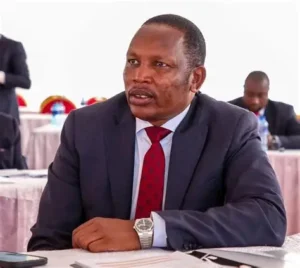
“This is a serious situation that requires the cooperation of every Kenyan,” said Health Cabinet Secretary Aden Duale during a Friday briefing. “Our teams are on the ground working to control the spread, but public awareness and action are key.”
Other counties affected include Nakuru (21), Kilifi (19), Makueni (13), Taita Taveta and Uasin Gishu (5 each), Kiambu and Kakamega (3 each), and Kericho and Machakos (2 each). One case has been reported in Migori, Kisii, Kirinyaga, Isiolo, Kitui, Narok, Baringo, and Trans-Nzoia.
In the past 24 hours alone, four new cases have been recorded, including three in Mombasa and one in Nairobi.
So far, 33 patients have been hospitalised, while 54 are receiving care at home under isolation. A total of 222 people have recovered.
The case fatality rate currently stands at 1.6%.
Health System Under Pressure
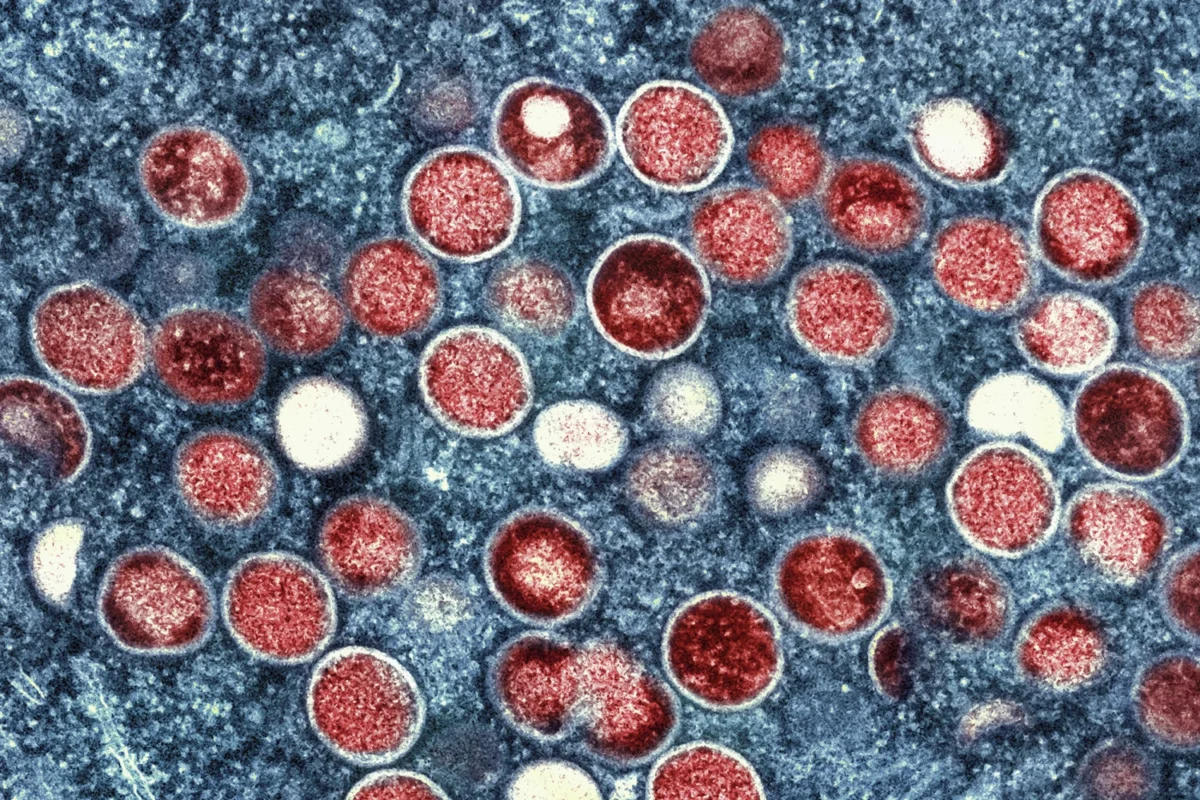
Samples were tested at the National Public Health Laboratories and partner facilities, yielding a positivity rate of 34.6% from 905 samples.
The Ministry has also traced 422 people who had close contact with confirmed cases. Of these, 392 are under active monitoring during the standard 21-day observation period. Fifteen have since tested positive.
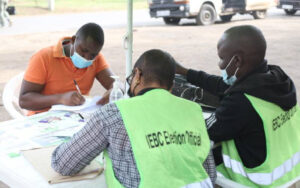
More than 4.7 million travellers have been screened at airports and other entry points. Some have been flagged for further medical review.
In response, the government has dispatched rapid response teams to all affected areas. These teams are tasked with tracking cases, supporting treatment, and engaging communities.
“Risk communication and public awareness are ongoing in counties with reported cases,” said Duale. “We have so far reached over 2 million people through our sensitisation efforts at points of entry.”
What You Can Do
The Ministry of Health is urging the public to stay alert and follow simple but effective precautions:
- Avoid close contact with people showing symptoms.
- Do not share bedding, clothing, or utensils with those who are sick.
- Wear masks and gloves when caring for infected individuals.
- Wash hands regularly and use hand sanitizers.
- Practise safe sex and maintain good hygiene.
Anyone showing symptoms-such as rashes, fever, swollen lymph nodes, or fatigue—is advised to seek immediate care at the nearest health facility.
“Self-isolation is critical,” said CS Duale. “If you suspect you’re infected, do not wait. Get medical attention immediately.”
He also warned against spreading misinformation, urging Kenyans to rely only on official communication from the Ministry or trained health professionals.
As the government intensifies containment efforts, health workers and volunteers are calling for continued public cooperation.
“We can beat this, but it needs all of us,” said a health worker involved in the outreach campaign in Busia. “It’s about protecting our families and communities.”
The outbreak comes as Kenya continues to rebuild its health systems after COVID-19. Health officials say lessons from the pandemic have improved readiness—but they warn that complacency now could cost lives.
About the Author