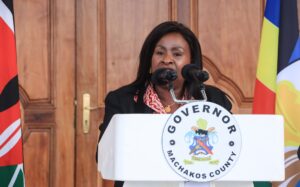
Kirinyaga Governor Anne Waiguru hinted seeking another political seat after her second governorship term ends in 2027. While addressing residents during a funeral ceremony in Ndia, Governor Waiguru said the final decision rests with the people of Kirinyaga, but expressed confidence in their continued support. “I know because of my performance in development, you will support my bid for any political seat when the time comes,” Governor Waiguru said. “I ask that you don’t chase me away when I come asking for your support.”

The governor said her administration’s record has earned her goodwill, adding that she is keeping an eye on the political environment and is open to future leadership roles. Governor Waiguru also cautioned against political intolerance, warning that rising hostility and attempts to silence dissent could destabilize the country’s democratic progress. “We are playing with fire,” Governor Waiguru warned. “There are people trying to stop others from speaking just because they belong to different political camps. Let Kenyans listen and decide for themselves.”
Governor Waiguru strongly opposed the planned importation of 500,000 metric tonnes of duty-free milled white rice announced by Treasury Cabinet Secretary John Mbadi. Governor Waiguru called on the national government to prioritize buying locally grown rice, particularly from Mwea, before authorizing any imports. “Before you bring in rice from abroad, understand that our stores are already full,” Waiguru said. “Buy our rice first, then import to cover the shortfall.”
Governor Waiguru’s remarks follow a gazette notice permitting duty-free importation of Grade 1 white rice through December 31, 2025. Farmers in Mwea have raised concerns that cheap imports could flood the market and collapse local production.
Kirinyaga County is Kenya’s top rice producer and home to the Mwea Irrigation Scheme, which spans about 30,000 acres. The scheme yields around 200,000 metric tonnes of rice annually, contributing over KSh 15 billion to farmers and supplying more than 60% of the country’s rice needs.
Governor Waiguru also addressed concerns around the recently introduced Direct Sale and Settlement system in the coffee sector. Waiguru said her administration had held discussions with coffee farmers, cooperative leaders, and relevant regulatory bodies, where consensus was reached to suspend the rollout of the system until key issues are resolved. “Farmers want clarity and safeguards. We agreed to hold off until the contentious matters are addressed,” Waiguru said.
Kirinyaga ranks second in national coffee production and accounts for a quarter of Kenya’s total coffee earnings. Waiguru said the county must be involved in any sector reforms that directly affect its farmers.
Governor Waiguru highlighted her administration’s achievements under the Wezesha Kirinyaga program, which supports over 100,000 households with subsidized inputs, mechanized farming tools, and training. The initiative has helped increase production in key agricultural sectors including rice, coffee, avocado, tomatoes, dairy, and fish.
Governor Waiguru said her focus remains on protecting farmers’ livelihoods and ensuring government policies support local food systems. “We will not sit back and watch our farmers suffer while imported goods push them out of the market,” she said.
About the Author