
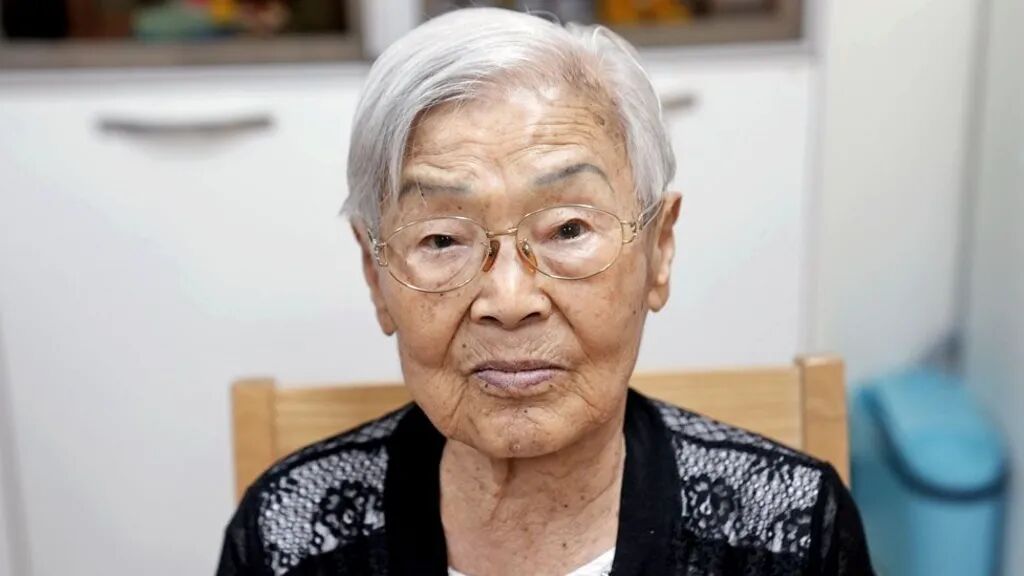
At 8:15 a.m. on August 6, 1945, as the first atomic bomb exploded over Hiroshima, 8-year-old Lee Jung-soon was walking to school. “My father told us to run,” Lee Jung-soon said. “The streets were full of dead bodies after the explosion. All I could do was cry.” Lee Jung-soon 88, now lives in Hapcheon, South Korea where majority Korean survivors of the Hiroshima bomb blast live bearing the blunt still carry the physical and emotional scars of that Hiroshima bomb blast.
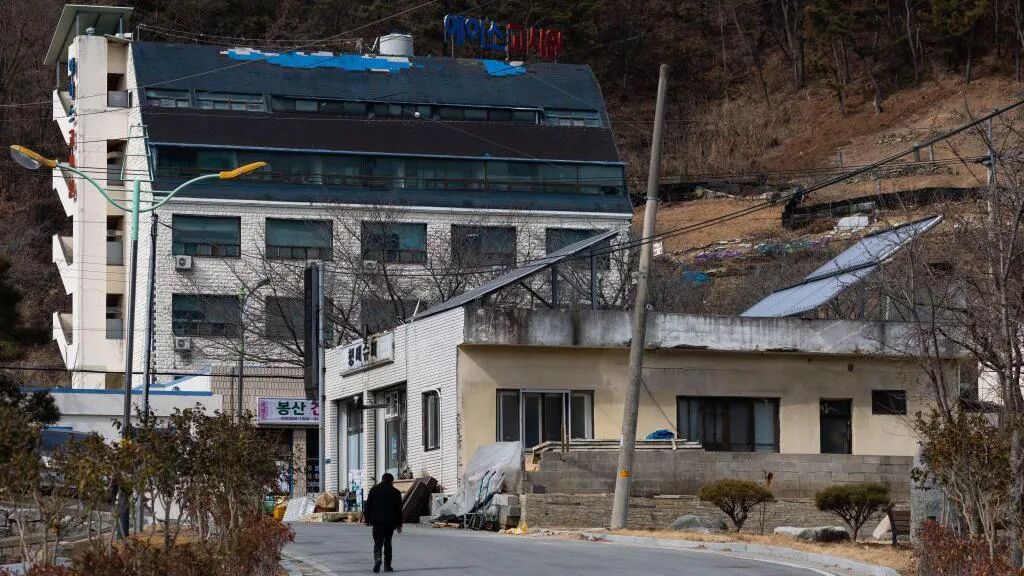
The United States dropped the bomb named “Little Boy” on Hiroshima, killing about 70,000 people instantly. Tens of thousands more died from injuries and radiation in the months that followed. But what remains largely unknown is that about 20% of the dead and injured were Korean.
Korea was under Japanese rule with more than 140,000 Koreans living in Hiroshima many working as laborers and IDP’s displaced by Japanese explorers. Following the aftermath of the Hiroshima bomb attack survivors returned to Korea disfigured, sick, and shunned recieving little help from any government.
“No one took responsibility,” said 83-year-old Shim Jin-tae. “Not the country that dropped the bomb. Not the country that colonized us. And Korea? It just ignored us.”
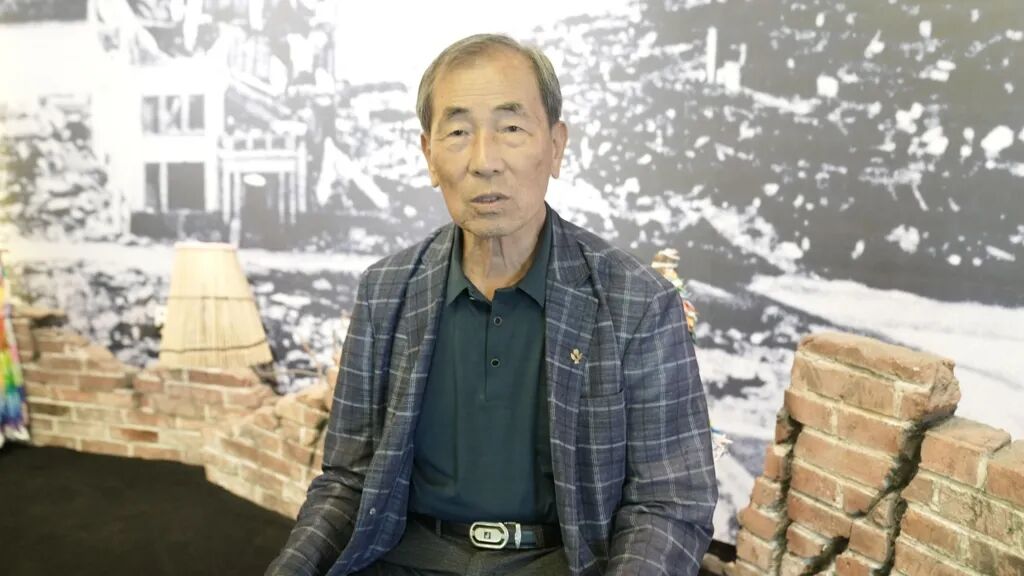
Shim Jin-tae lives in Hapcheon often called “Korea’s Hiroshima.” After returning home, many Korean survivors settled in this rural area. They were met with blissful rejection and stigma amid expectations of surviving a bomb attack. Seen as cursed or contagious they were isolated from their own communities. Shim Jin-tae recalled how Korean laborers in Hiroshima were forced to collect bodies and burn them in schoolyards. “We used dustpans because there were too many corpses,” he said. “It was Koreans who cleaned up that city.”
According to the Korean Atomic Bomb Victims Association, 70,000 Koreans were exposed to the blast. By the end of 1945, about 40,000 had died. The fatality rate for Koreans stood at 57.1% far higher than the overall death rate of 33.7%.
Even survivors’ children were affected, Han Jeong-sun, a second-generation victim suffers from a degenerative hip disease. Her son was born with cerebral palsy. Han Jeong-sun believes the bomb’s impact spans generations.
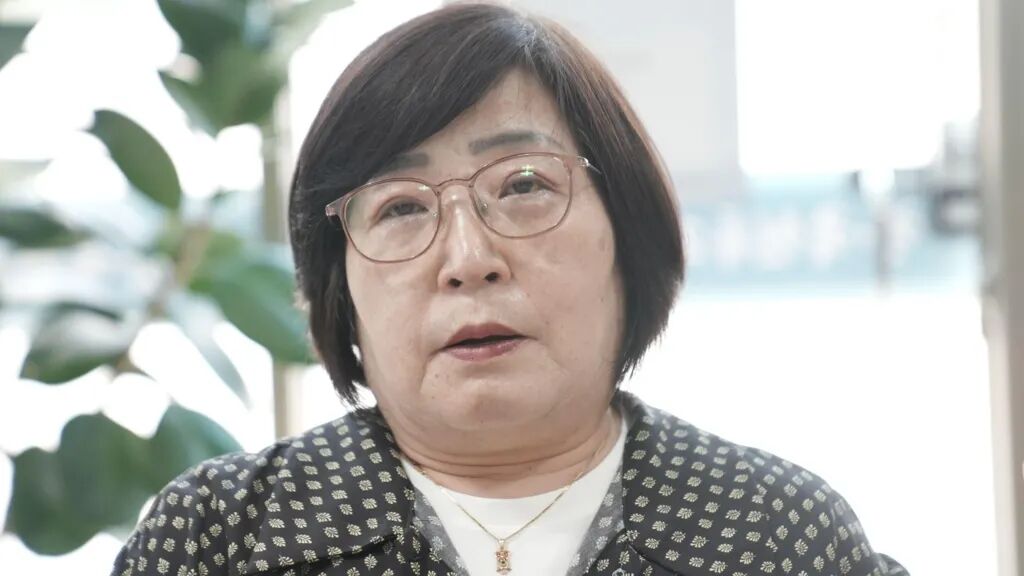
“My son has never walked,” Han Jeong-sun said. “Doctors can’t explain why. But they still ask me to prove we were victims. What more proof do they need?”
The South Korean government only began formal studies in 2019. A Ministry of Health and Welfare spokesperson said genetic research is ongoing through 2029, and the definition of victims may be expanded depending on the results however that promise rings hollow for many Hiroshima bomb survivors.
Han Jeong-sun’s experience mirrors those of many descendants. Studies from 2005 and 2013 show increased rates of depression, heart disease, and physical disability in second-generation survivors. Yet official recognition remains limited. “Illness runs in our blood,” Han Jeong-sun said. “We live with the effects every day. But they refuse to see us.”
Last month Hiroshima officials visited Hapcheon for the first time to lay flowers at a memorial for Korean victims. But the visit came without apology. “Peace without truth is meaningless,” said Japanese activist Junko Ichiba, who has spent decades advocating for Korea’s nuclear survivors. “Japan still avoids responsibility, its textbooks erases us.”
Inside Hapcheon’s memorial hall, wooden tablets line the walls each bearing the name of a Korean who died from the bomb. There are 1,160 in total. Survivors say the most painful thing is not being forgotten by history, but by the countries that should have protected them.
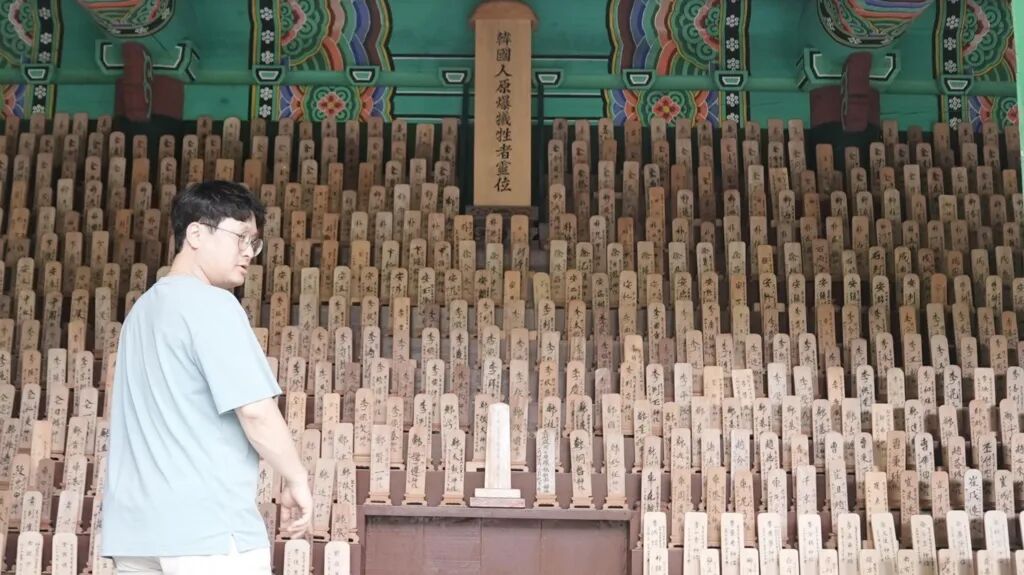
“Our suffering was buried,” Shim Jin-tae said. “But memory matters. If we forget what happened in Hiroshima, it will happen again. And there will be no one left to tell the truth.”
About the Author