Essence of Philosophy in Modern Day World
Nairobi – Philosophy continues to shape how people ask, think, and understand life’s most important questions. While often seen as ancient or abstract, its role in modern life remains clear and urgent especially as the world confronts deep questions about truth, values, and meaning.
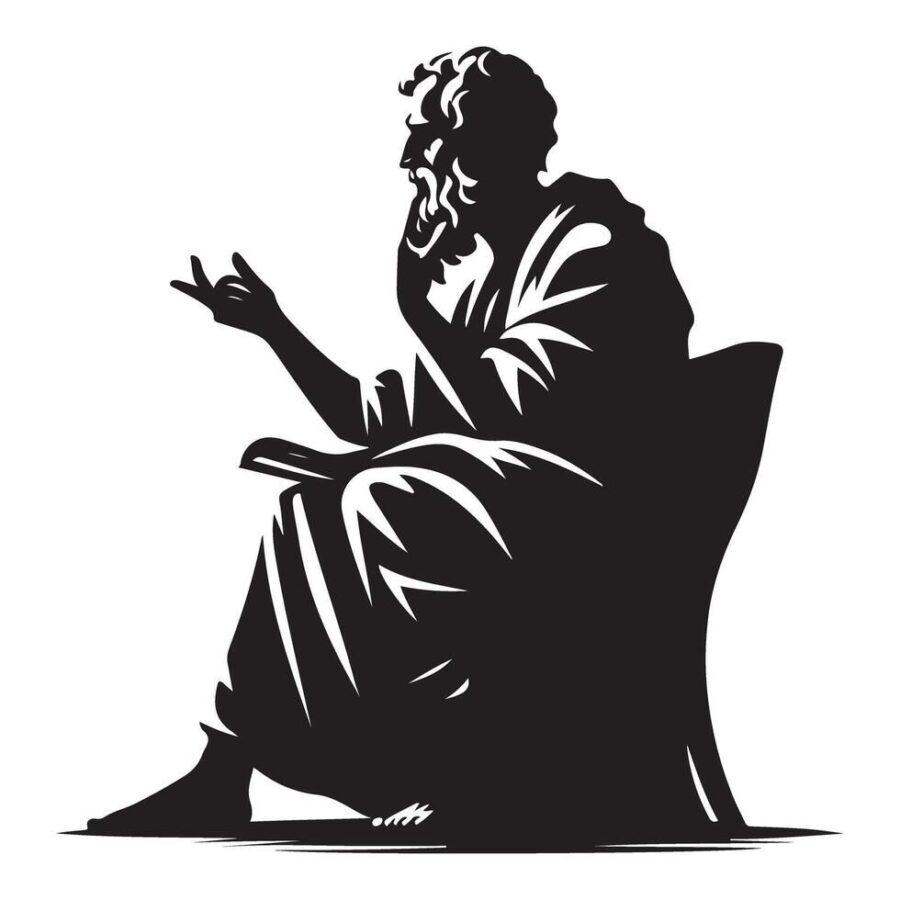
Philosophy is the structured exploration of fundamental ideas. It helps people question reality, think critically, and reach reasoned conclusions. This discipline goes beyond academic debate. It asks direct questions: What is real? How do we know anything at all? What is right or wrong?
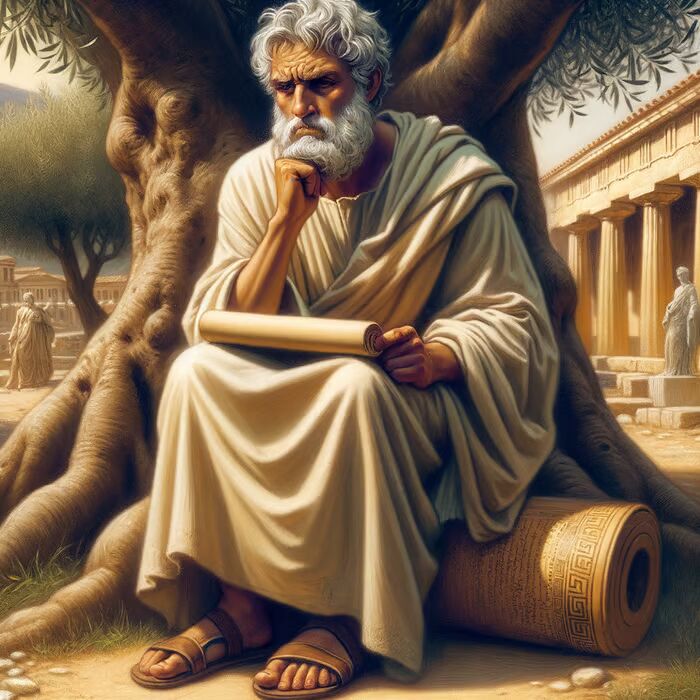
At its core, philosophy deals with five key areas existence, knowledge, values, reason, and meaning. These areas help people explore how to live with integrity, how to build fair societies, and how to handle questions about purpose and truth.
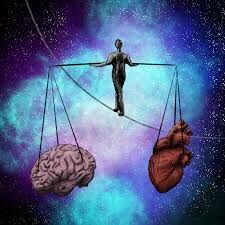
One of its oldest areas, metaphysics, focuses on the nature of being and reality. Epistemology looks at how knowledge is formed, and what separates belief from fact. Ethics explores questions about how to live rightly and make just decisions. Logic teaches sound reasoning. Aesthetics asks what beauty means, while political philosophy looks at justice and power.

Philosophy’s strength lies in its method: forming questions, building clear arguments, and testing assumptions. Its goal is not to give final answers but to sharpen thought and deepen understanding. It trains people to look past surface opinions and explore what is truly known and how it is known.
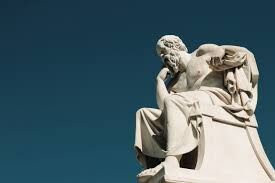
Though its roots stretch back to thinkers like Socrates, Confucius, and Avicenna, philosophy’s questions remain current. For example, public debates about artificial intelligence, freedom of speech, human rights, or the purpose of education all rely on philosophical thinking.
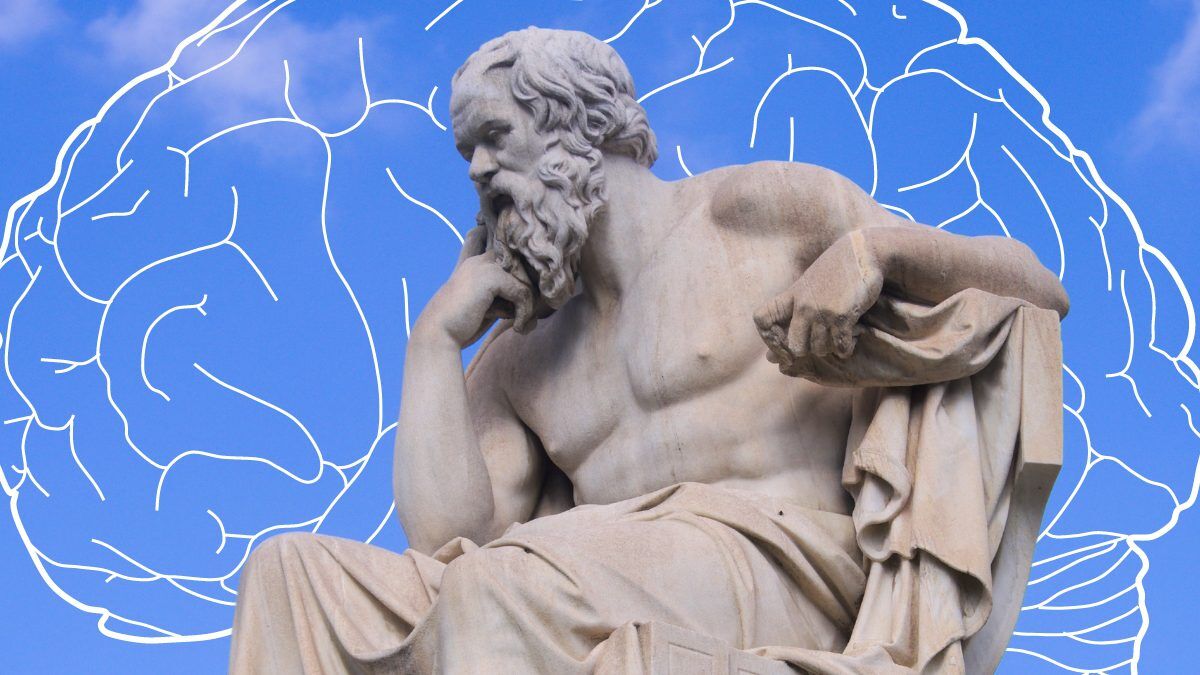
Historical and cultural context also matters. Different traditions Western, African, Asian, and Islamic philosophy offer distinct insights into human thought. These schools of thought have shaped civilizations and remain important in debates about identity, belief, and governance.

At the heart of many spiritual beliefs, the phrase “Word of God” connects directly to philosophical questions about truth and authority. In Christianity, it can mean the Bible, Jesus Christ as divine expression, or God’s spoken will. Each use reflects a broader search for meaning and order, often grounded in ethical teachings and moral truth.

The phrase appears across Scripture. In the Gospel of John, Jesus is described as “the Word,” linking divine truth with human understanding. In other passages, it refers to laws, prophecies, and moral teachings meant to guide life and belief.

“The Word of God is alive and active,” reads Hebrews 4:12, pointing to its power to influence thought and action. For believers, the Word shapes not just personal faith but moral responsibility and community life. For thinkers, it represents a connection between divine truth and human reason.

Philosophy and faith, while distinct, often meet at a shared goal: the pursuit of truth. Both ask people to think deeply, live wisely, and seek answers that go beyond the surface. In a world filled with fast opinions and shallow content, the value of philosophy rooted in careful thought and honest inquiry remains as vital as ever.
About the Author