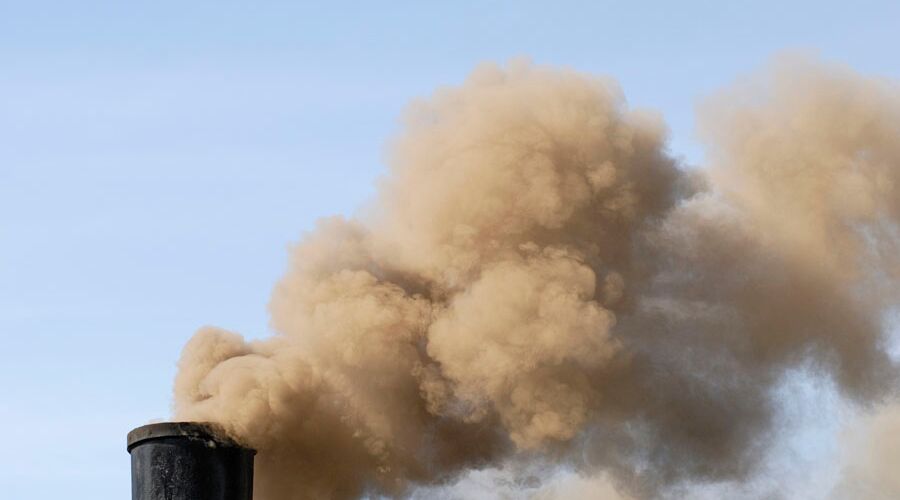
NAIROBI — Air pollution is doing more than choking lungs it’s damaging brains. New evidence shows that toxic air is impairing children’s mental development and increasing the risk of anxiety, depression, and dementia later in life.
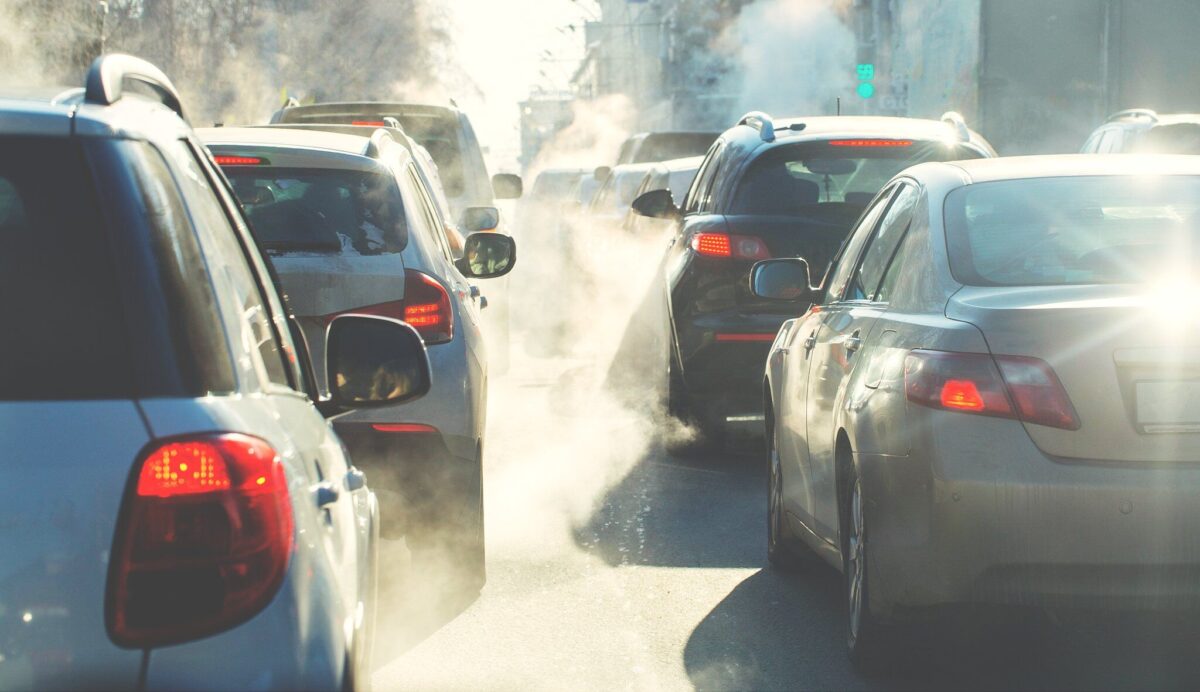
In a public briefing hosted by the World Health Organization, Dr. Maria Neira warned that nine out of ten people worldwide are breathing air that fails to meet international health standards. She called it the single biggest environmental threat to human health today.
“Every year, air pollution causes 7 million deaths globally,” Dr. Neira said. “Tiny particles in polluted air can travel deep into the lungs and even reach the brain, affecting everything from cognitive development to long-term mental health.”
Children at Risk
The health risks are especially severe for children. Studies now link prenatal and early-childhood exposure to air pollution with low birth weight, premature birth, asthma, and learning difficulties.
“Children breathe faster than adults and spend more time outdoors, which means they inhale more polluted air relative to their body size,” Neira explained. “Their lungs and brains are still developing, making them even more vulnerable.”
She emphasized that exposure to fine particulate matter PM2.5 and PM10 and harmful gases like carbon monoxide and ozone during early years can have lifelong consequences.
While individuals can take steps to reduce personal exposure like avoiding heavy traffic areas and using cleaner cooking fuels experts stress that meaningful change must come from governments.
“This is not just an individual issue. Governments must adopt strong laws and interventions to clean up the air,” said Neira.
Despite the grim numbers, cities around the world have proven that reversing air pollution is possible.
In Paris, air pollution levels have dropped by 50% over two decades thanks to traffic restrictions, expanded green spaces, and new bike lanes. London’s ultra-low emissions zone has improved air quality while reducing respiratory-related illnesses.
In China, major cities have slashed pollution levels without stalling economic growth. In Bogotá, a new fleet of fully electric buses is already improving urban air quality.
The European Union recently passed a new air quality directive aligned with WHO guidelines, aimed at protecting public health across member states.
Dr. Neira concluded with a clear message: “We have the science, we have the solutions. What we need now is political will. Our children’s health depends on the air they breathe. It’s time to act.”
As countries push for cleaner energy and sustainable urban planning, the battle for healthy air is no longer just about climate it’s about protecting minds, lives, and futures.
About the Author