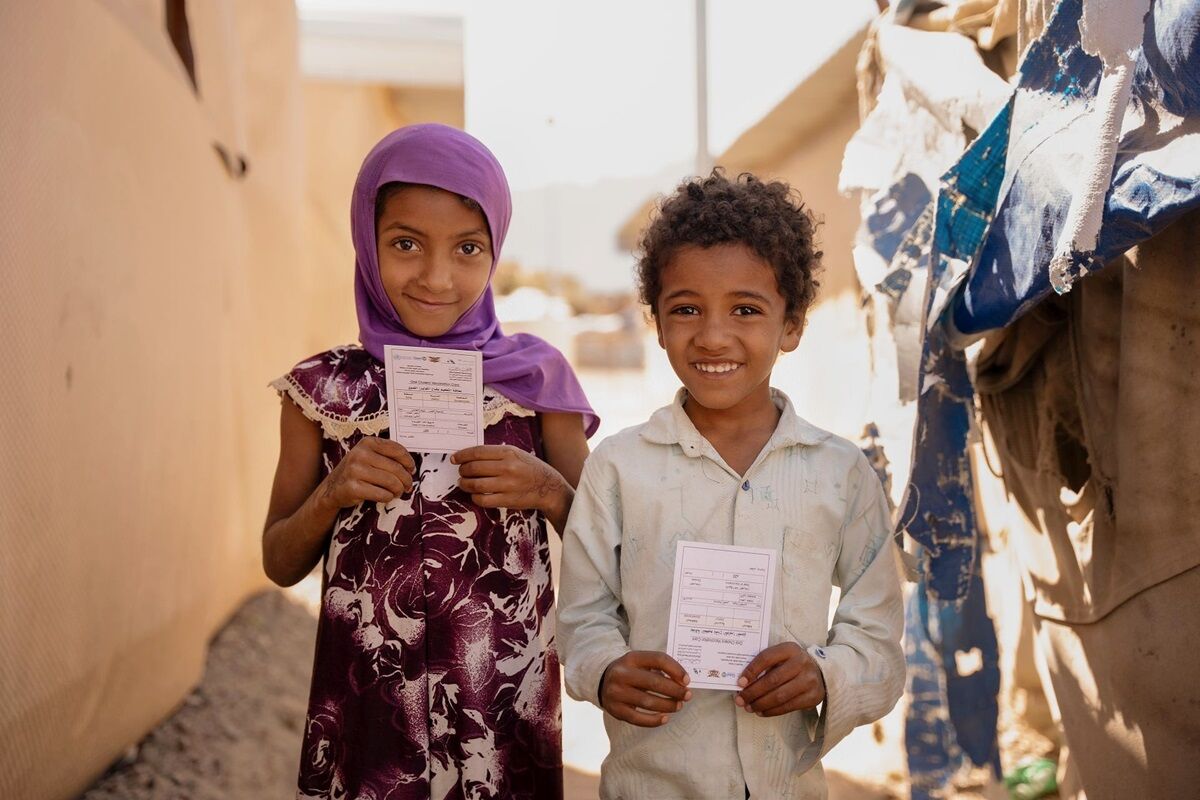
The global childhood vaccination rate held steady in 2024, but over 14 million infants received no vaccines at all, according to new data from the World Health Organization (WHO) and UNICEF.
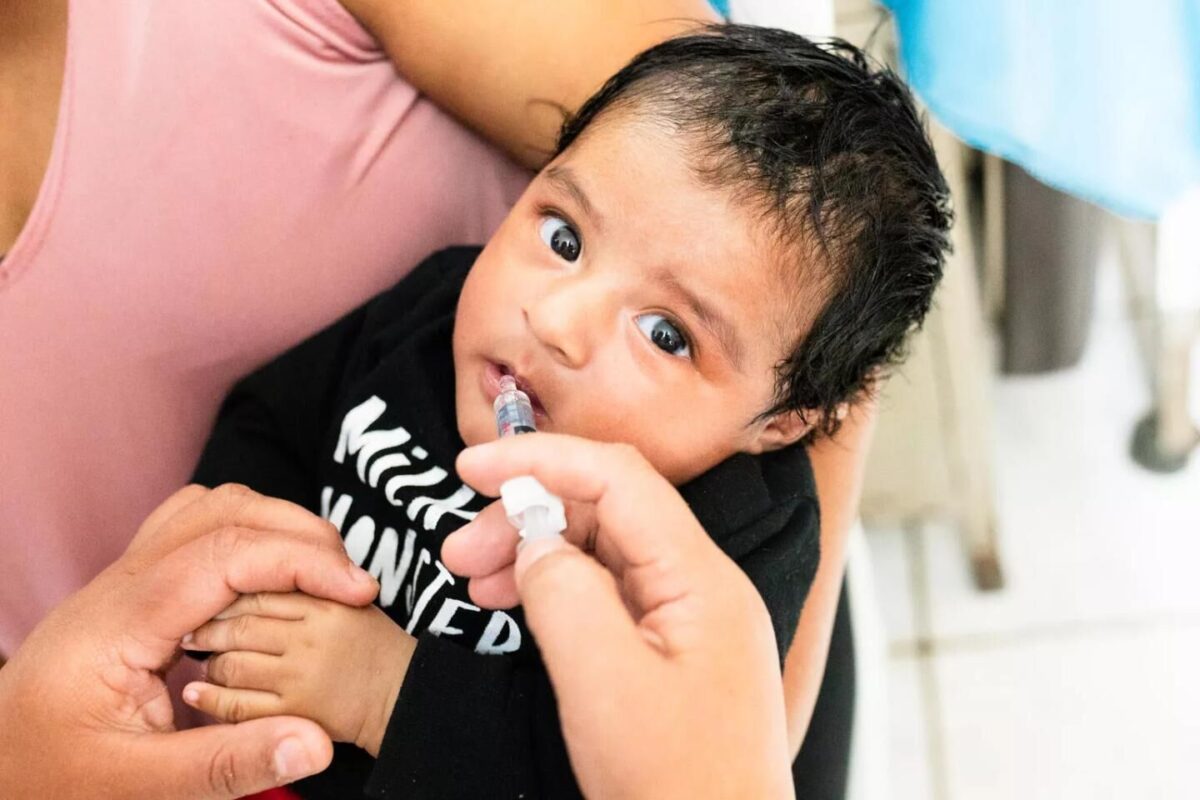
The report shows that 89% of infants worldwide roughly 115 million received at least one dose of the diphtheria, tetanus, and pertussis (DTP) vaccine last year. Around 109 million, or 85%, completed the full three-dose schedule. While this marks a slight year-on-year improvement with 171,000 more children starting the DTP series and one million more completing it the gains fall short of the Immunization Agenda 2030 goals.
In 2024, 14.3 million infants received no vaccines, a figure 4 million above the global target. This number has risen by 1.4 million compared to 2019, the benchmark year for the Immunization Agenda. WHO Director-General Tedros Adhanom Ghebreyesus said the findings reflect both progress and persistent gaps.
“Vaccines save lives,” Tedros said in a statement. “It’s encouraging to see more children being vaccinated, but funding cuts and misinformation about vaccines could undo decades of progress.”
WHO and UNICEF attribute the high number of unvaccinated children called “zero-dose” to limited access to health services, armed conflict, fragile health systems, and false claims about vaccine safety.
Among 195 countries assessed, 131 have maintained 90% DTP coverage since 2019. However, only 17 countries that were below that threshold have shown improvement in five years. Meanwhile, 47 countries are experiencing stagnation or decline. Of these, 22 had surpassed the 90% mark in 2019 but have since regressed.
Children in countries affected by conflict and humanitarian crises face the greatest risk. A quarter of the world’s infants live in 26 such nations, yet they account for half of all zero-dose children globally. The number of unvaccinated children in these settings jumped from 3.6 million in 2019 to 5.4 million in 2024.
UNICEF Executive Director Catherine Russell said the world must respond urgently. “Millions of children still lack basic protection against diseases we can prevent. That should alarm everyone,” she said. “We can’t allow shrinking health budgets or misinformation to block access to vaccines.”
Countries supported by Gavi, the Vaccine Alliance, saw progress. Immunization coverage in 57 low-income nations improved, reducing the number of un- and under-vaccinated children by about 650,000 in 2024. However, declines in vaccine uptake are now emerging in some upper-middle- and high-income countries, raising the risk of future disease outbreaks.
Dr. Sania Nishtar of Gavi warned that population growth and conflict continue to challenge immunization equity. “Lower-income countries protected more children than ever before,” she said. “But the most vulnerable still face the greatest risk.”
Global coverage of the human papillomavirus (HPV) vaccine rose from 17% in 2019 to 31% in 2024, driven by national scale-ups and simplified one-dose schedules. But this remains far below the 2030 target of 90% coverage for adolescent girls.
Measles vaccination also increased slightly. About 84% of children received the first dose and 76% got the second. This meant an additional 2 million children were reached in 2024. Still, coverage remains short of the 95% needed to prevent community-wide outbreaks. Over 30 million children remain vulnerable, and the number of countries experiencing major measles outbreaks rose to 60 last year—up from 33 in 2022.
WHO and UNICEF caution that global immunization progress is at risk. Rising misinformation, instability, and funding gaps could further stall or reverse current efforts.
The agencies are calling on governments and partners to close the funding gap for Gavi’s 2026–2030 cycle, strengthen vaccination in conflict areas, invest in national immunization systems, and combat vaccine misinformation through evidence-based campaigns.
Both agencies stressed the need to anchor vaccination within broader primary health care systems. “No child should die from a preventable disease,” the WHO and UNICEF said in a joint appeal.
The Immunization Agenda 2030 remains the global framework for expanding vaccine access worldwide. Experts say success depends on continued political will, steady investment, and stronger public trust.
About the Author