
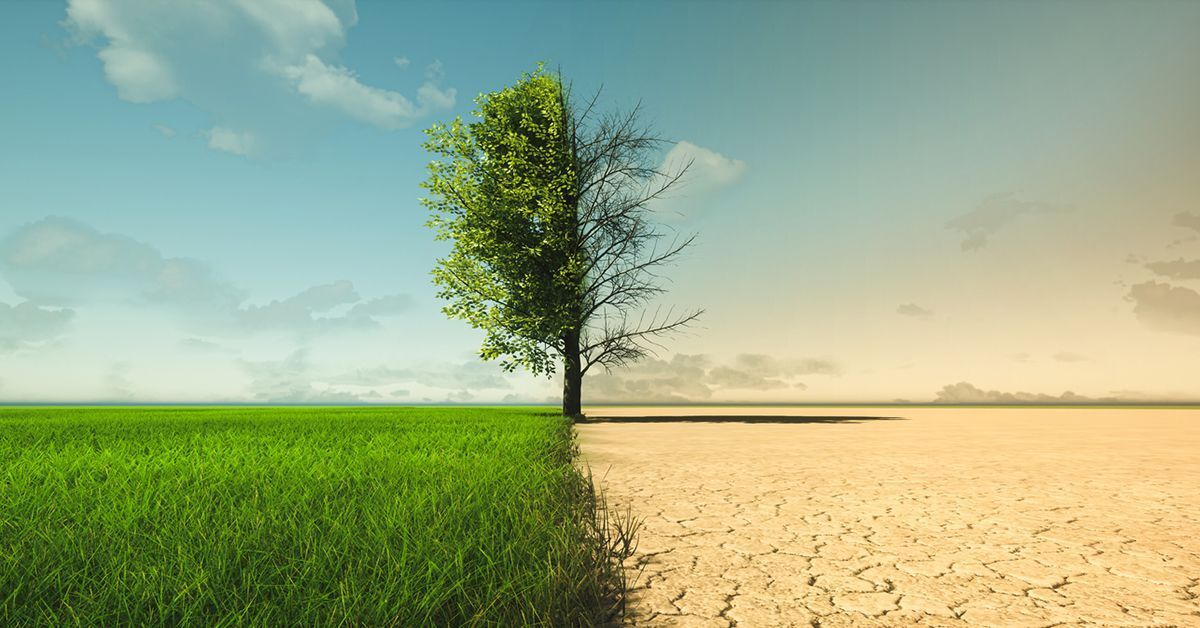
The Earth is heating up and human activity is driving it.
Climate change refers to long-term shifts in global temperatures and weather patterns. While natural causes such as volcanic eruptions or solar changes once played a role, scientists have confirmed that since the 1800s, human actions have become the main factor behind global warming. Burning fossil fuels coal, oil, and gas releases greenhouse gases like carbon dioxide and methane into the atmosphere. These gases trap heat from the sun, creating a warming effect across the planet. Activities such as driving gasoline-powered vehicles, heating buildings with coal, and clearing forests all contribute to this buildup.
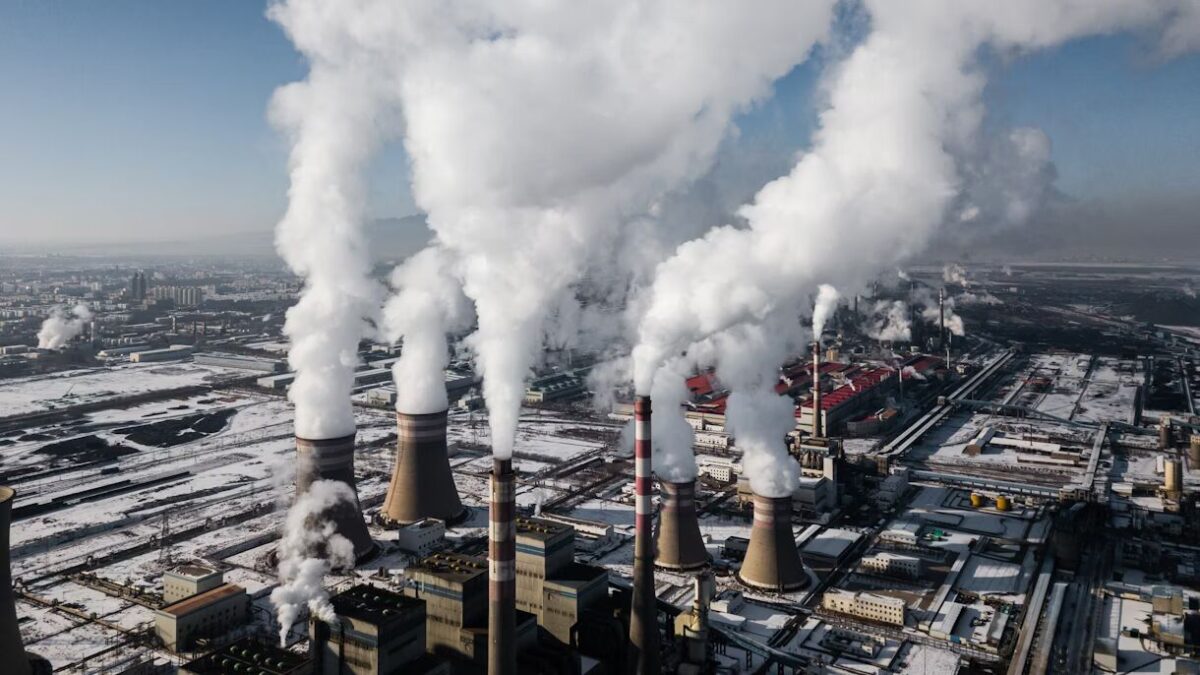
The sectors producing the highest emissions include energy, transportation, agriculture, manufacturing, and land use.
Humans are responsible for global warming
According to the latest scientific data, humans are responsible for almost all the global temperature rise over the past 200 years. Since the pre-industrial era, Earth’s average surface temperature has climbed by 1.2°C, making it warmer than any time in the past 100,000 years.
The period between 2011 and 2020 was the hottest decade ever recorded. Each of the last four decades has been warmer than the one before.
This warming has triggered wide-ranging consequences many of which are already being felt. These include:
More intense and frequent droughts
Melting glaciers and rising sea levels
Deadly heatwaves and wildfires
Stronger storms and floods
Declining biodiversity and stressed ecosystems
Because Earth’s systems are deeply connected, even slight temperature changes eventually disrupt food security, water supply, health, housing, and safety especially for vulnerable communities in low-lying and developing regions.
World global emitters
While everyone contributes to climate change, not all countries are equally responsible. In 2023, six countries and blocs accounted for more than 50% of global emissions:
China
United States
India
European Union
Russia
Brazil
By comparison, the 45 least developed countries combined contributed just 3%. The UN and scientists agree countries producing the most emissions have a greater responsibility to reduce them and support others in adapting.
1.5°C is the Limit
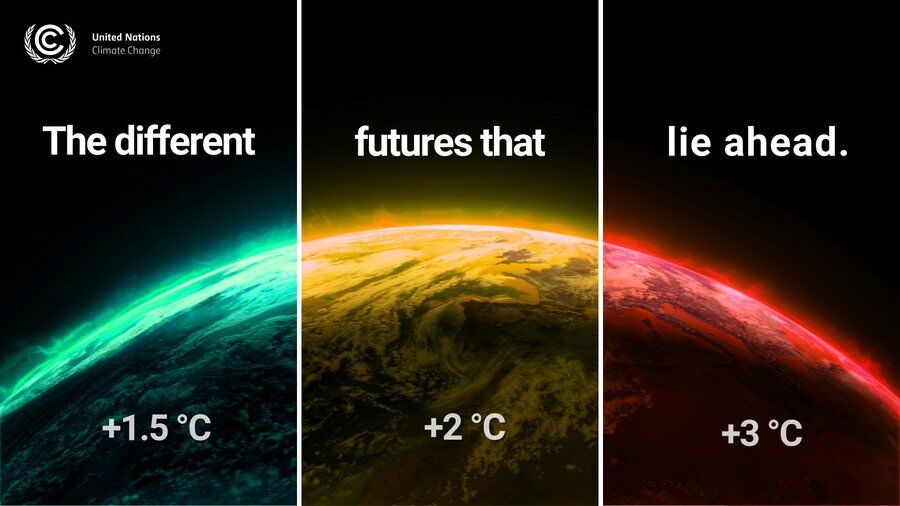
To avoid the most dangerous impacts of climate change, scientists warn that global warming must be limited to no more than 1.5°C above pre-industrial levels.
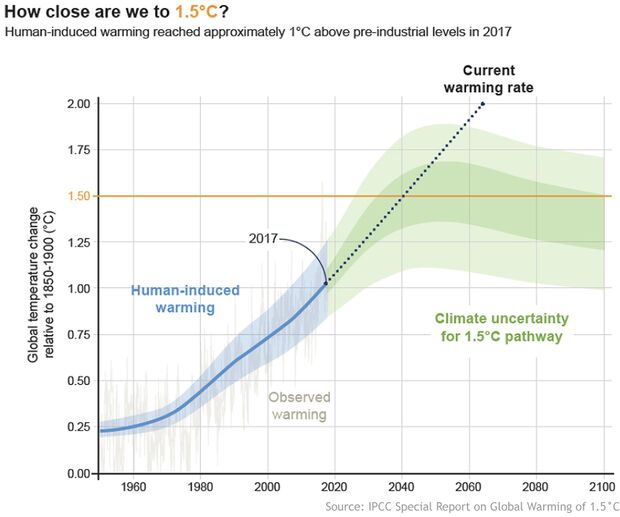
But current global policies are steering the planet toward 3.1°C of warming by 2100, according to recent UN assessments. Every fraction of a degree matters higher temperatures mean more severe disasters and larger populations at risk.
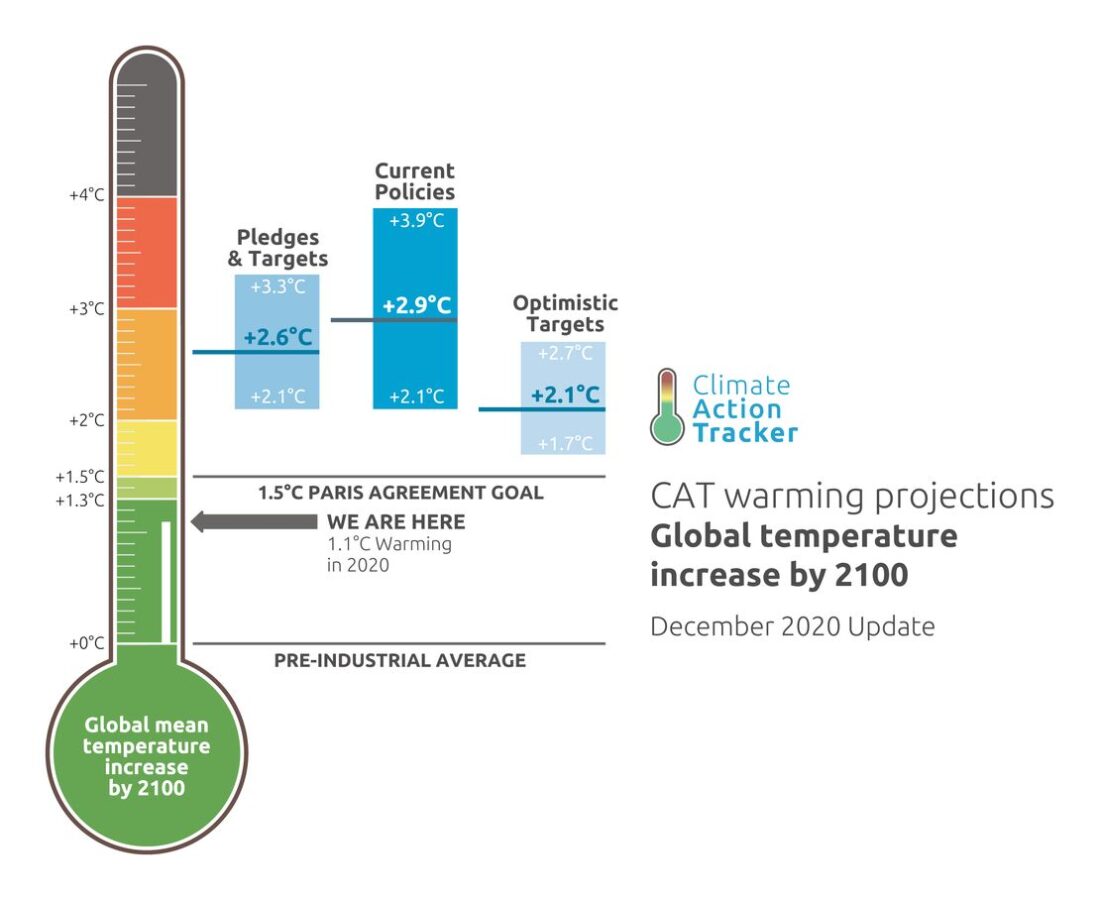
Mitigation and Adaptation strategies
Climate change can be slowed by reducing emissions, adapting to ongoing impacts, and investing in sustainable infrastructure.
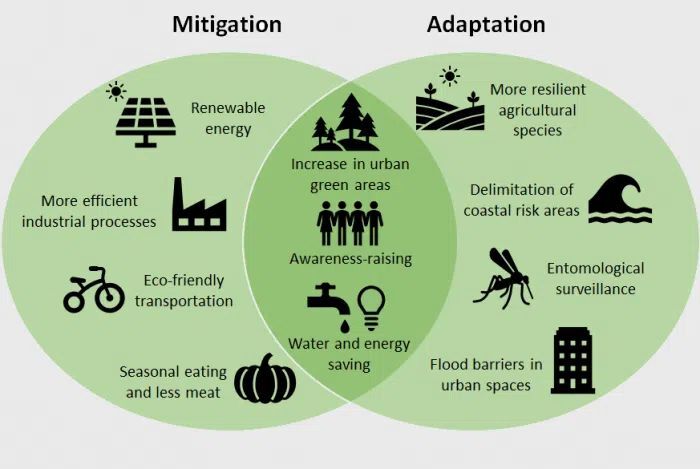
The top priority is cutting fossil fuel use. Shifting from coal, oil, and gas to renewable energy like solar and wind can significantly reduce emissions. The UN states that emissions must fall by at least 50% by 2030 to keep the 1.5°C target within reach.
This means production and use of fossil fuels must decline by at least 30% before the decade ends.
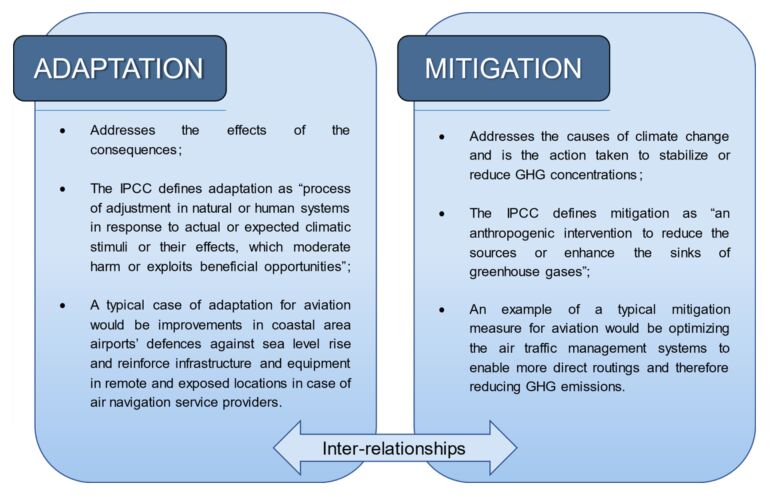
Adaptation is also essential. Building sea walls, modernizing infrastructure, and investing in early warning systems for natural disasters help communities cope. These measures save lives and can deliver returns many times greater than their cost.
Climate Action Costs
Solving climate change requires major investment. But failing to act will come with far greater costs economically, socially, and environmentally.
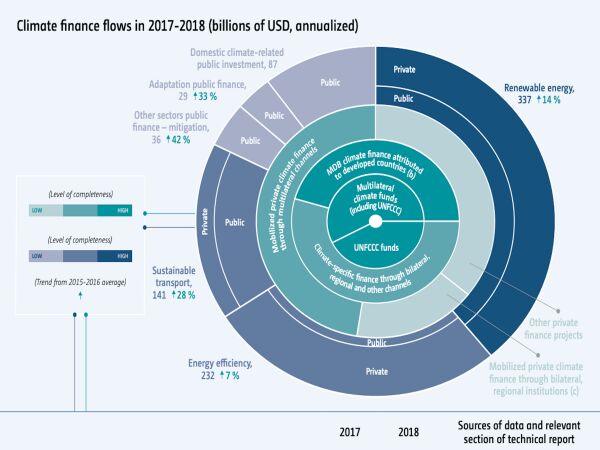
Climate finance is crucial. Wealthier nations must support developing countries with funding and technology so they can reduce emissions and adapt to threats. Without this support, inequality will grow, and global progress will stall.
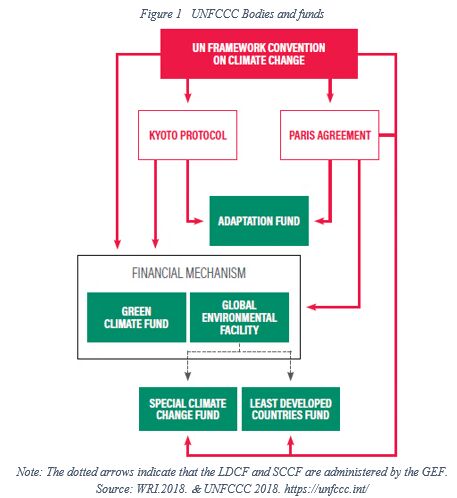
The clock is ticking. Every ton of carbon dioxide avoided, every forest protected, and every wind turbine installed matters. The world already has the knowledge and tools to tackle this crisis. What’s needed now is the will to act quickly and together.
About the Author