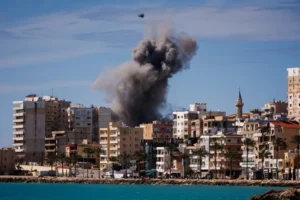
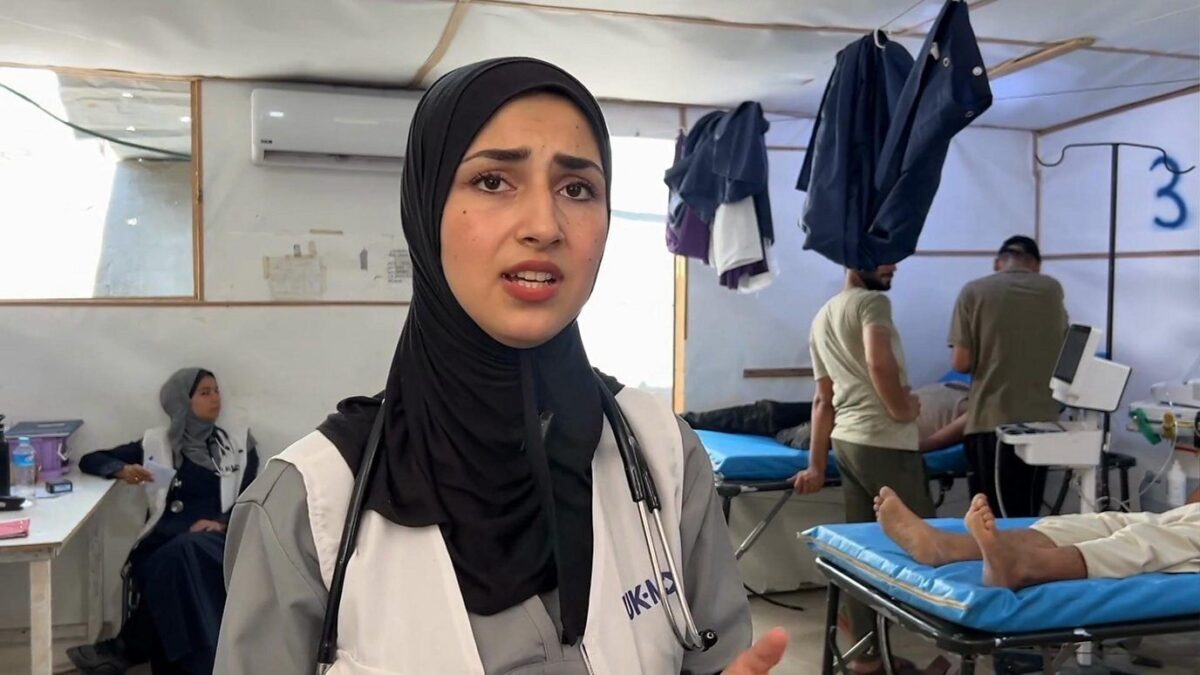
Dr. Aseel, a medical professional working in Gaza, said bluntly, “It’s not that we are close to famine. We are living it.” Her comment reflects the daily suffering of families unable to access food, water, or medical aid as the blockade on Gaza continues.
According to the Hamas-run health ministry, two more people died of malnutrition in the past 24 hours, raising the official total to 113 since October 7, 2023. Most of those who have died are children and elderly people, aid agencies report. The United Nations warns the current rate of starvation is “unprecedented,” with aid deliveries reaching Gaza reduced to a “trickle.”
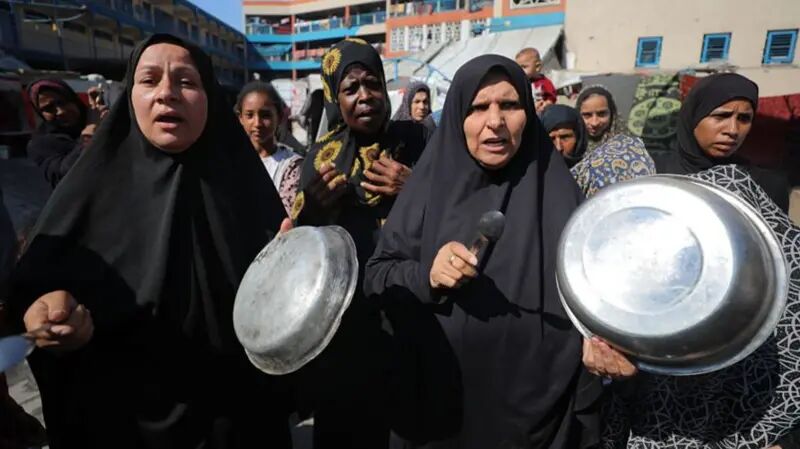
In a statement posted on Thursday, UNRWA Commissioner-General Philippe Lazzarini said “one in every five children in Gaza City is now malnourished.” UNRWA health workers, he said, are themselves collapsing from hunger, surviving on one small meal of lentils per day.
The UN agency reports that over 6,000 trucks loaded with food and medical supplies remain stuck in Jordan and Egypt, unable to reach the Gaza Strip due to Israeli restrictions.
“Parents are too hungry to care for their children,” Lazzarini added. “The deepening crisis is affecting everyone.”
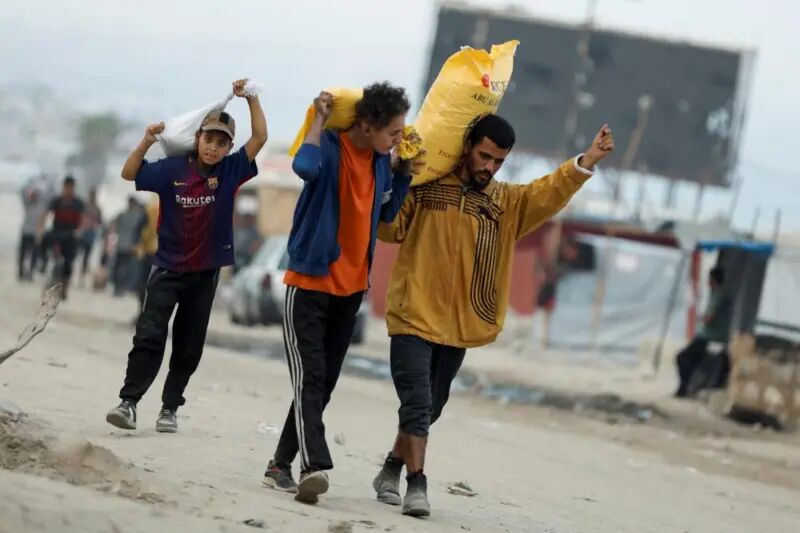
Aid access remains the central obstacle. Israel’s military says 150 food trucks were collected by UN agencies inside Gaza on Wednesday, with another 800 waiting for pickup. However, the UN has repeatedly stated it is unable to retrieve many of the trucks due to Israeli restrictions, blocked roads, security risks, and lack of fuel.
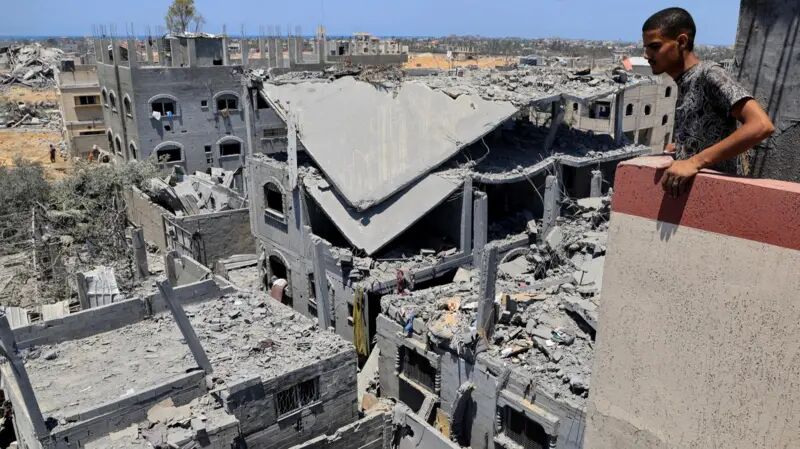
The United Nations Office for the Coordination of Humanitarian Affairs (OCHA) described the situation as “the worst hunger crisis Gaza has ever faced.” In its latest update, OCHA warned that civilians approaching UN convoys were frequently being shot at.
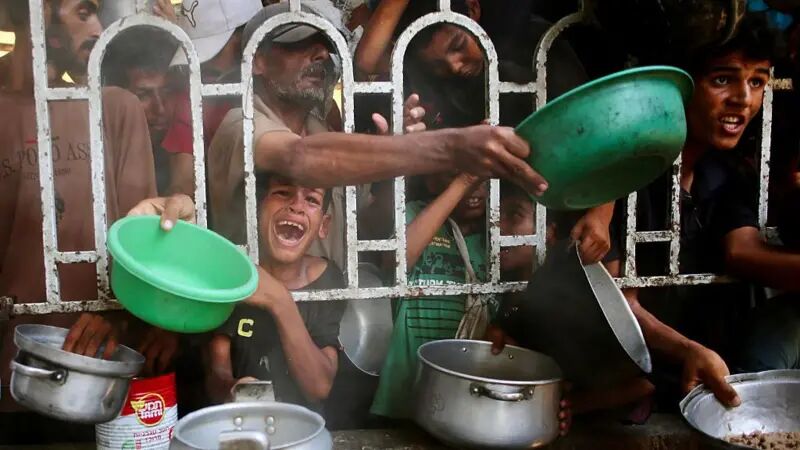
Since May 27, the UN says at least 1,054 Palestinians have been killed by Israeli forces while trying to collect food. Of those, 766 died near the Gaza Humanitarian Foundation (GHF) sites, an aid system created by Israel and the U.S. to bypass Hamas control. The GHF system uses private security contractors and operates inside Israeli military zones. UN officials have refused to cooperate with the program, calling it unethical and unsafe.
Despite Israeli claims that Hamas is stealing aid, the UN said no credible evidence has been presented to support those allegations. Human rights groups say the blockade and restrictions on humanitarian access are fueling mass starvation.
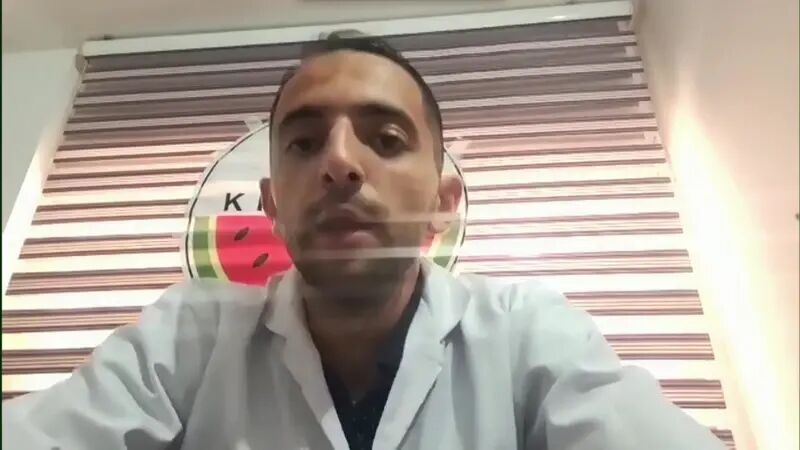
Doctors working in Gaza are reporting increasing numbers of malnourished patients. Ibrahim Shareef Alashi, a dentist in Gaza City, said one child had not eaten for three days. “The boy was very weak, very dizzy,” he said. “It’s not about money. There’s nothing to buy.”
The hunger has reached all levels of society, including journalists. In a rare joint statement, BBC News, AP, AFP, and Reuters warned that their journalists inside Gaza are themselves at risk of starvation. “They are now facing the same dire circumstances as those they are covering,” the statement read. The organizations called on Israel to allow safe entry and exit for reporters and humanitarian personnel.
The daily toll of war continues to rise. On Wednesday, Israeli tanks advanced into Deir al-Balah in central Gaza for the first time, even as humanitarian needs deepen. The health ministry says 59,219 people have been killed in Gaza since October 2023. More than 111 of those deaths have been confirmed as resulting from malnutrition.
Najah, a 19-year-old widow sheltering in a Gaza hospital, said she is afraid to leave in search of food. “I hope they bring us something to eat. We die of hunger,” she said. Her infant son is suffering from severe malnutrition. “I don’t have money to buy him milk. I don’t dare go out because I fear I’ll be shot.”

The UN Secretary-General António Guterres recently declared that Gaza’s population is facing “grave shortages of food, water, and medicine,” and that “starvation is knocking on every door.”
Meanwhile, diplomatic efforts to reach a ceasefire continue. U.S., Israeli, and Qatari officials are meeting in Italy to discuss a possible 60-day truce, wider aid access, and a potential hostage deal. But on the ground, residents in Gaza are still waiting hungry, frightened, and desperate.
About the Author