WASHINGTON – The United States will officially remove Hayat Tahrir al-Sham (HTS) from its list of foreign terrorist organizations, signaling a major change in policy toward Syria’s new leadership following the collapse of the Assad regime.
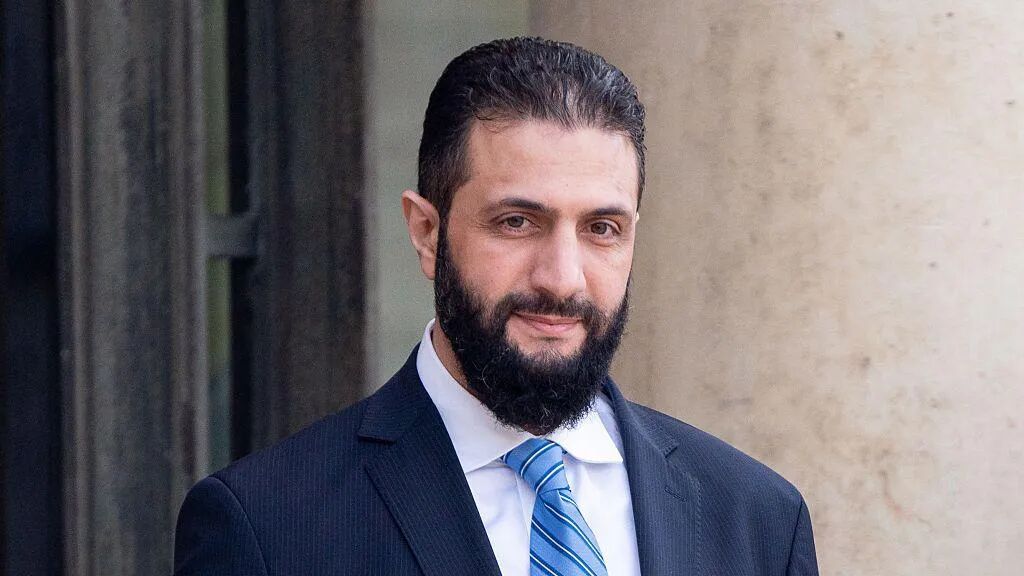
A memo from the US State Department confirmed that the delisting will take effect Tuesday. HTS led a decisive military campaign in December that overthrew President Bashar al-Assad, ending his family’s 54-year rule. The group’s commander, Ahmed al-Sharaa, is now serving as Syria’s interim president.
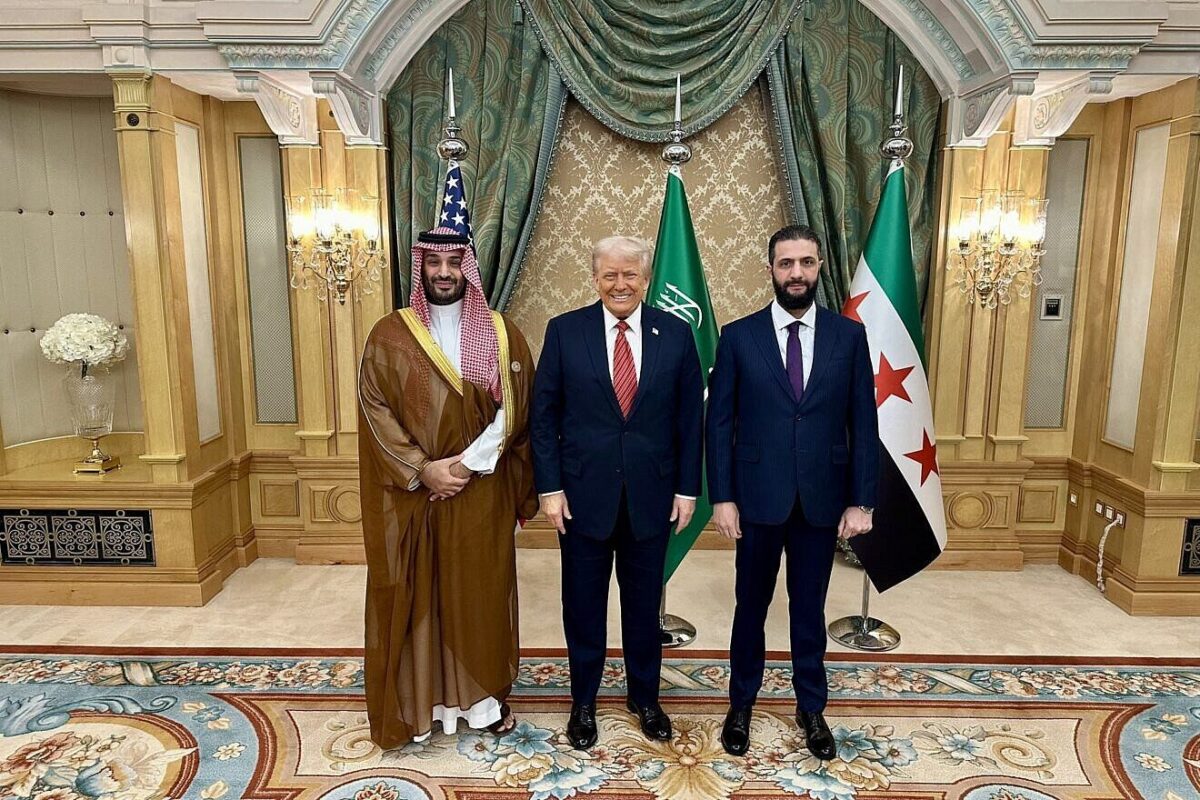
Al-Sharaa, who previously headed the al-Qaeda-affiliated al-Nusra Front, publicly cut ties with the group in 2016. Since then, HTS rebranded itself as a Syrian nationalist movement, though its ideological past has remained a point of concern for Western governments.
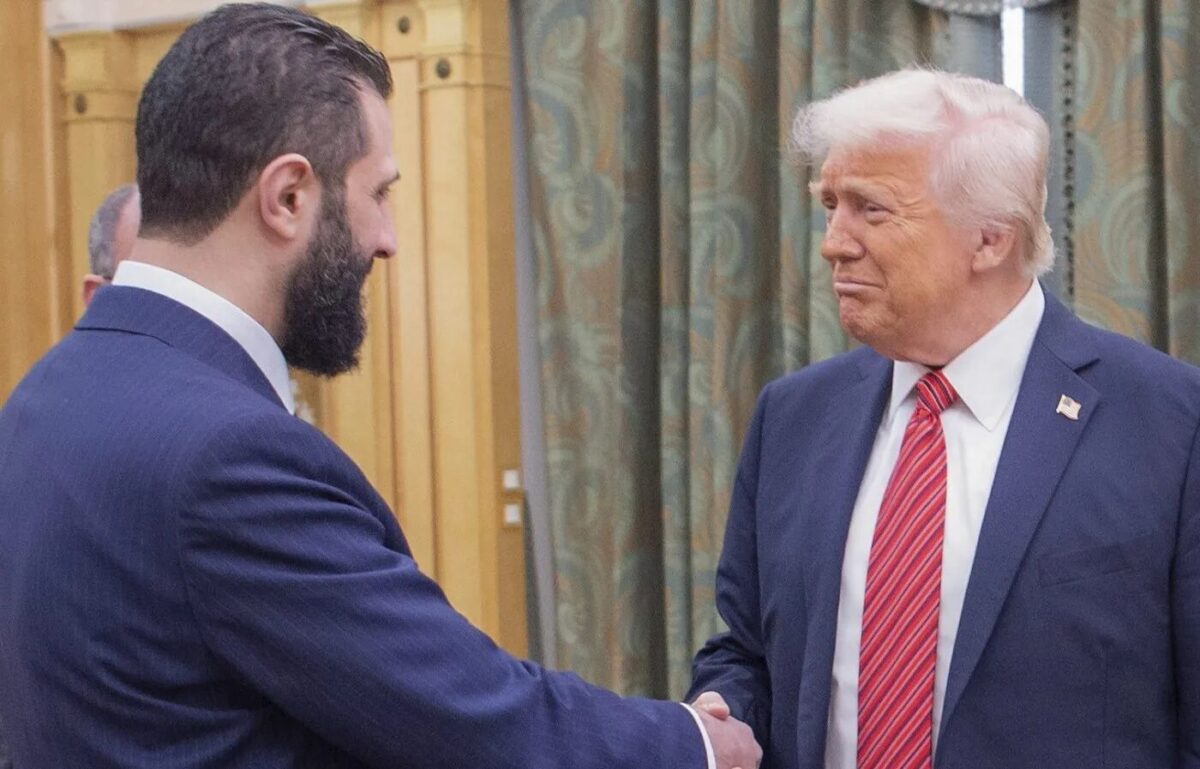
In late June, President Donald Trump signed an executive order lifting US sanctions on Syria, stating the decision aimed to support the country’s “path to stability and peace.” The White House added that the United States would “closely monitor” the new government’s conduct, including steps to normalize relations with Israel and act against extremist groups.
Syria’s Foreign Minister Asaad al-Shibani welcomed the decision, calling it a “critical breakthrough” for economic recovery and international engagement. “This removes a major barrier to restoring our economy and reconnecting with the global community,” al-Shibani said in a statement.
Syria also expressed willingness to renew a disengagement agreement with Israel signed in 1974, a development viewed positively by US officials. The interim government has voiced intentions to distance itself from Palestinian armed groups, though this remains under observation.
On Friday, UK Foreign Secretary David Lammy became the first British cabinet member to visit Syria since 2011. Lammy met with al-Sharaa in Damascus and announced a £94.5 million aid package to assist reconstruction and support host countries sheltering Syrian refugees. The UK has already removed sanctions on Syria’s defense and interior ministries.

Despite international support, the new government faces growing scrutiny. Only one woman holds a ministerial post, and most appointments have been made unilaterally by al-Sharaa. Tensions also remain high within Syria.
In March, hundreds of Alawite civilians were killed during confrontations between Assad loyalists and new regime forces. In April, clashes erupted between Islamist fighters and Druze community members. And in June, a suicide bombing at a Damascus church left at least 25 dead.
More than 90% of Syrians lived below the poverty line under the Assad government following a civil war that spanned 13 years. Al-Sharaa has pledged a new beginning but continues to face skepticism, particularly over his past associations and the government’s early handling of minority communities.
The international community has not yet given formal recognition to Syria’s new leadership, but Western capitals are now signaling a cautious shift toward reengagement.
About the Author