The Hague — Countries now have the green light to hold each other legally accountable for the damage caused by climate change, following a groundbreaking advisory opinion from the United Nations’ top court. In a historic decision issued on Wednesday, the International Court of Justice (ICJ) said governments can be found responsible for failing to prevent environmental harm even in cases where climate change-related damage stems from historical greenhouse gas emissions. The ruling, though non-binding, sets a powerful legal precedent that could reshape the global climate fight.
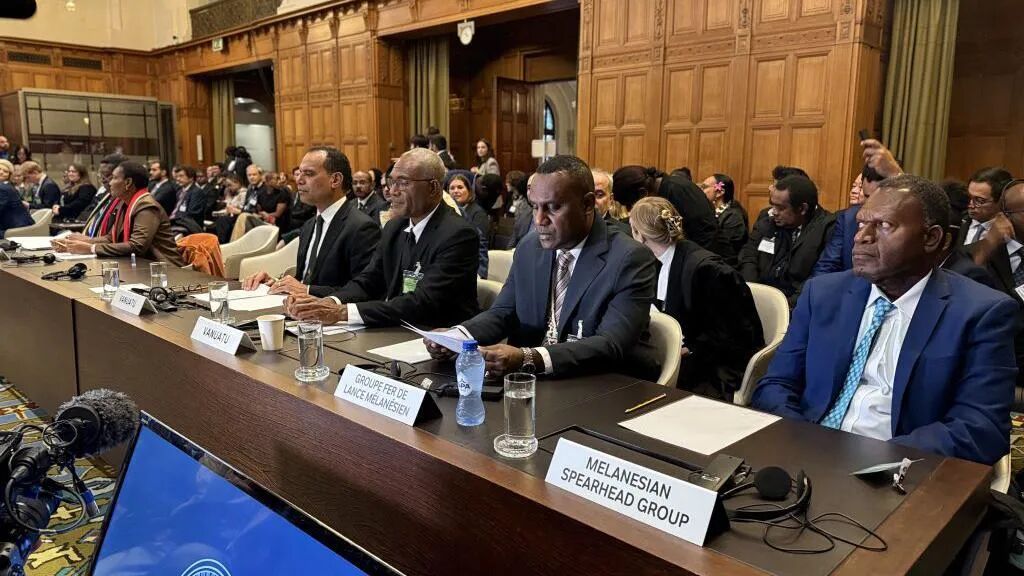
“This is a huge legal win for the countries most affected by climate change,” said Judge Iwasawa Yuji, who delivered the opinion at the Peace Palace in The Hague. He emphasized that states that do not set the most ambitious possible climate targets breach their commitments under international agreements like the Paris Accord.
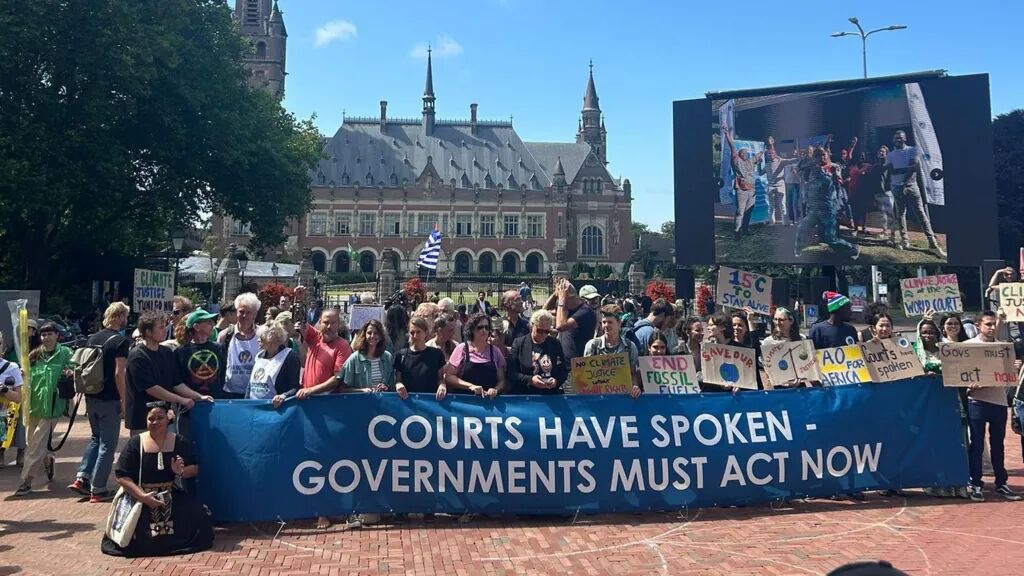
The case was initiated by Vanuatu, a Pacific Island nation highly exposed to sea level rise and extreme weather. The campaign began in 2019 with a group of young law students from the Pacific. Their vision bringing climate justice to court has now been validated.
Siosiua Veikune, one of the original students from Tonga, stood outside the court moments after the verdict. “This is a win we take proudly back home,” he said. “The ICJ has recognized our struggle and our right to a future.”

The court concluded that governments are not only accountable for their own emissions, but also for allowing private companies within their borders to cause climate harm. It warned that activities such as subsidizing fossil fuels or licensing new oil and gas projects could breach a state’s legal obligations to protect the climate.
Though advisory, ICJ opinions carry significant weight in global legal systems. Previous rulings by the court have led to real-world action including the UK’s agreement to return the Chagos Islands to Mauritius in 2023.
Lawyers involved in the proceedings said the decision paves the way for new compensation claims. Joie Chowdhury, speaking on behalf of international legal advocates, said the opinion sends a clear message: “Victims of climate destruction now have a legal path to seek remedy, including financial compensation.”
Countries like the Marshall Islands testified about the high costs of adaptation. Their government projected that relocating infrastructure and defending its coastlines will require $9 billion money the island nation does not have.
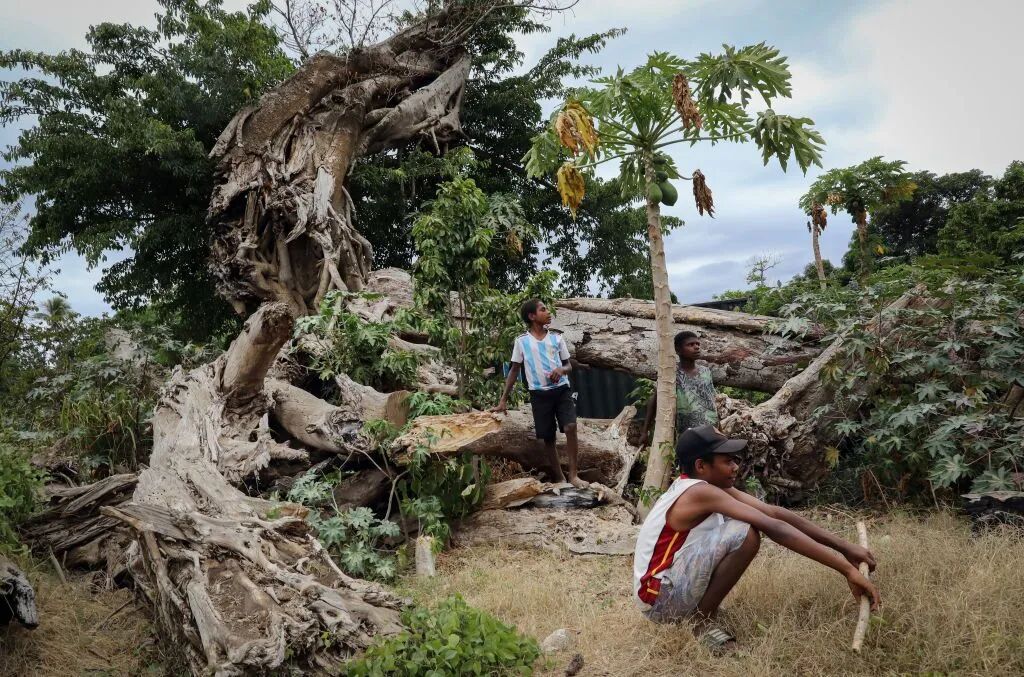
In 2015, Cyclone Pam struck Vanuatu, leaving a quarter of its 276,000 citizens homeless and destroying two-thirds of its GDP. That kind of destruction, the court said, could be cited in future claims if a clear link to climate change is established.
Any country that has accepted the ICJ’s jurisdiction can now face lawsuits brought by nations impacted by climate change. While the United Kingdom falls under that category, major emitters like China and the United States do not. However, legal experts clarified that the ICJ opinion can still be used in other courts such as US federal courts to support lawsuits against fossil fuel giants or governments. “This decision will be cited widely. It doesn’t need to stay within the ICJ to matter,” Chowdhury said.
Not all countries welcomed the ruling. The UK government said it is reviewing the opinion but maintained that climate action is best handled through existing UN treaties. A White House spokesperson responded, saying, “President Trump remains focused on policies that put America first and protect the interests of everyday Americans.”
Developing nations argue that those most responsible for climate change have failed to meet past promises. They now see the ICJ ruling as a tool to push for overdue action. Harj Narulla, a legal adviser for Pacific island states, noted the limitations: “The ICJ has no enforcement arm. It relies on states choosing to follow the law. But the pressure is now undeniable.”
About the Author