WASHINGTON, DC — President Donald Trump has formally ended wide-reaching U.S. sanctions against Syria, six months after Bashar al-Assad was overthrown. The move clears a path for Syria’s economic recovery and signals a significant shift in American policy toward the war-torn country.
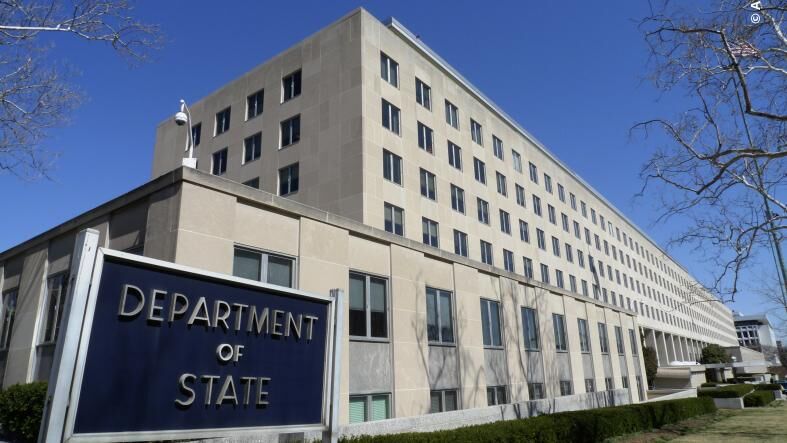
In an executive order issued Monday, Trump directed the U.S. Treasury to delist 518 Syrian individuals and entities from sanctions imposed over the past decade. The order applies to individuals and institutions deemed essential to Syria’s reconstruction and public administration.
“The United States is committed to supporting a Syria that is stable, unified, and at peace with itself and its neighbors,” Trump said in a statement. He added that the U.S. aims to back a Syria that “does not shelter terrorists and protects its religious and ethnic communities.”
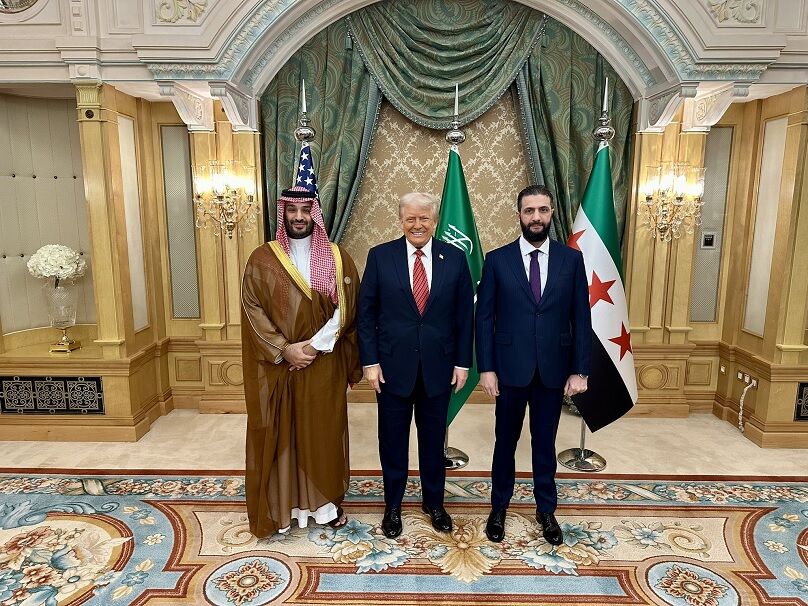
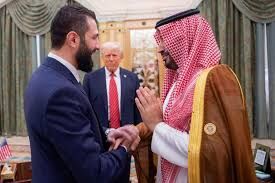
Trump’s decision follows his May meeting with Syria’s interim President Ahmed al-Sharaa in Riyadh. Al-Sharaa, who led the armed rebellion that removed Assad in December 2024, was once known by his battlefield alias, Abu Mohammed al-Julani. He has since pledged to form an inclusive government and distance Syria from extremist ideologies.
The Syrian Foreign Ministry welcomed the announcement. In a statement shared on X, Foreign Minister Asaad Al Shaibani said the decision “removes a major barrier to economic recovery” and will “reconnect Syria with the international community.”
The original sanctions, many imposed during and before Syria’s civil war, had paralyzed the country’s financial system. Penalties tied to the Caesar Act, which targeted Syria for alleged war crimes under Assad, led to sharp inflation and halted foreign investment.
Trump’s order does not remove all sanctions. Restrictions targeting Assad, Iranian proxies in Syria, and ISIL remain in place. The Treasury confirmed that further assessments are underway to determine if some penalties, including those under the Caesar Act, can be lifted in stages.
Trump also instructed Secretary of State Marco Rubio to reassess al-Sharaa’s prior designation as a “Specially Designated Global Terrorist.” The same order applies to Hayat Tahrir al-Sham (HTS), formerly al-Nusra Front, which Sharaa once led. HTS has long been on the U.S. list of foreign terrorist organizations. Al-Sharaa publicly cut ties with al-Qaeda in 2016 and has since rebranded his faction as a governing force in northern Syria.
Still, human rights observers have expressed concern. Since Assad’s fall, reports of kidnappings and revenge attacks particularly against members of the Alawite sect have emerged from areas previously held by rebel groups. No official findings have linked the interim government to these incidents.
Meanwhile, bipartisan efforts in Congress are gaining momentum. A bill introduced last week by Representative Ilhan Omar and Representative Anna Paulina Luna seeks to codify a long-term lifting of sanctions to support Syria’s recovery.
The Biden and Obama administrations previously held firm on sanctioning Syria, citing Assad’s war record and the country’s ties to Iran. Trump’s policy change reflects his broader Middle East agenda, which includes reducing U.S. military involvement and expanding economic influence through regional alliances.
Al-Sharaa has pledged not to allow Syrian territory to be used against Israel. The Israeli government has not publicly responded to Trump’s announcement but continues military operations inside Syria, targeting what it claims are Iranian-backed positions.
The White House said it will monitor conditions on the ground before taking further steps. Trump’s order sets a 90-day timeline for federal agencies to report on Syria’s progress in meeting the conditions for additional relief.
About the Author