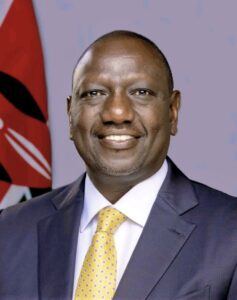
NAIROBI – President William Ruto has called on world leaders to make climate action a central feature in every development initiative, warning that climate change poses a direct threat to human survival.
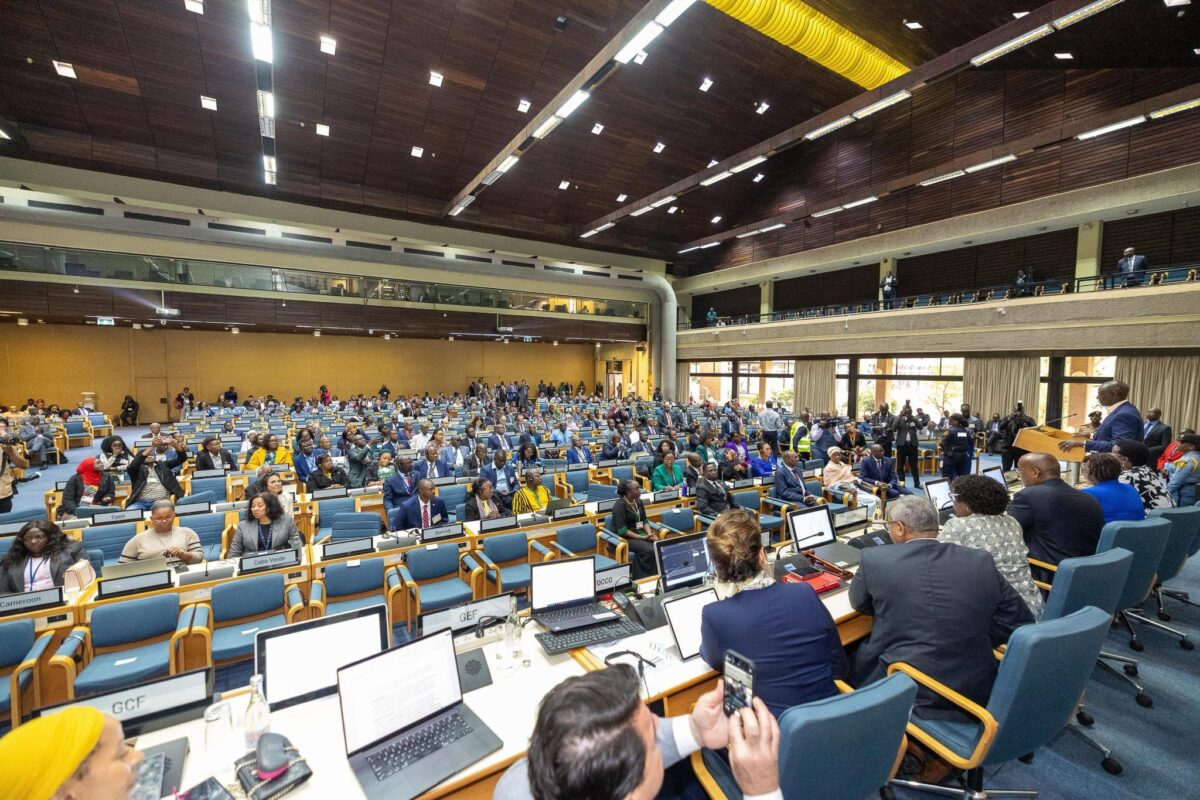
Speaking at the African Ministerial Conference on the Environment (AMCEN) on Wednesday at the United Nations Complex in Gigiri, Ruto emphasized the urgency of a united global response to environmental challenges.
“Climate change is an existential threat to humanity,” Ruto said. “The only way forward is a collaborative global effort that places climate action at the center of every development plan.”
President William Ruto urged countries to mobilize and sustain funding to support both mitigation and adaptation measures, adding that many vulnerable nations cannot manage the costs of climate-related disasters alone. He affirmed Kenya’s continued dedication to climate solutions, stating, “Kenya will keep playing its role in confronting the climate crisis. We are fully committed.”
The President’s remarks come amid intensifying climate-linked crises across Africa, including prolonged droughts, food insecurity, and infrastructure damage due to flooding.
During his visit, Ruto also toured new office facilities at the UN Complex, which will accommodate more agencies as Nairobi expands its role as a hub for international diplomacy.
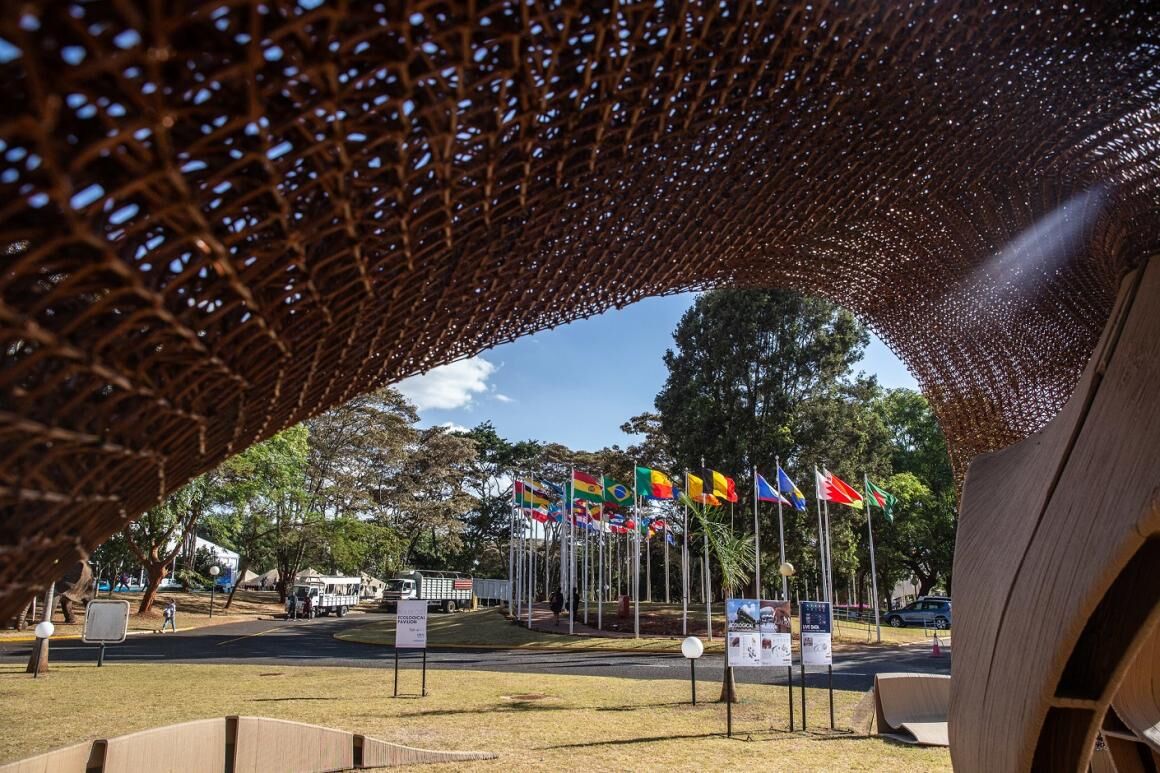
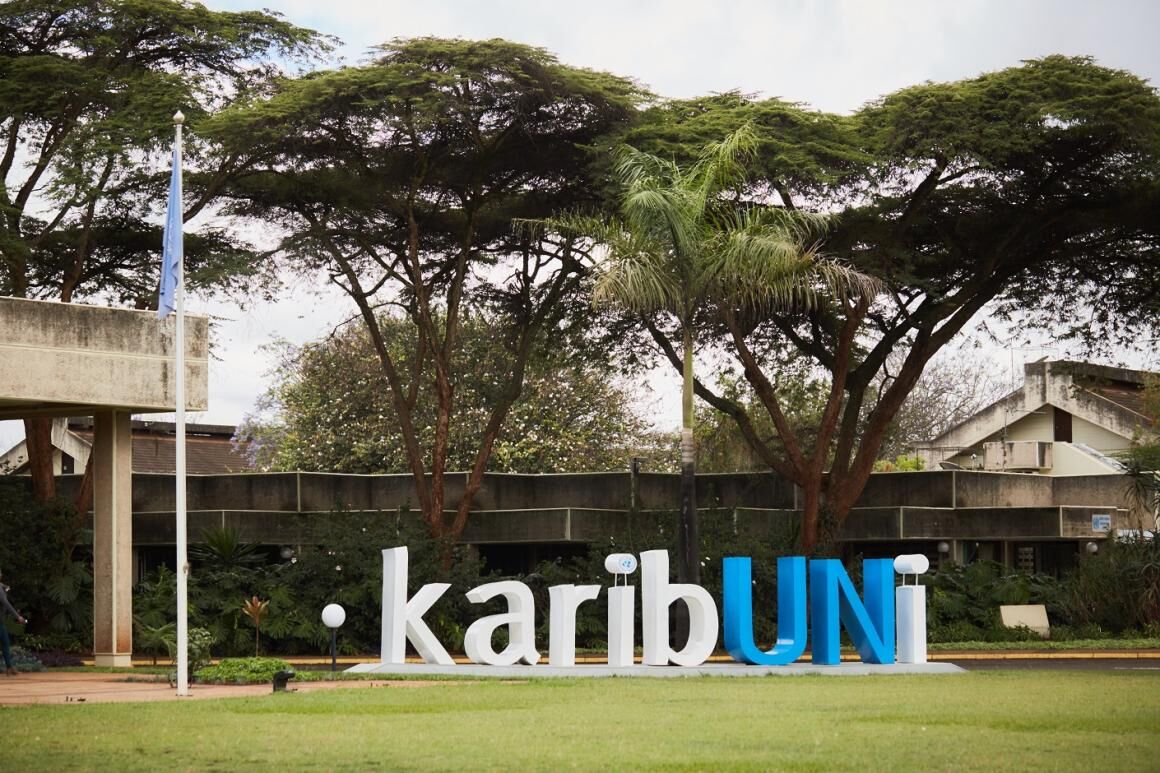

AMCEN, established in 1985, brings together African environment ministers to align the continent’s environmental priorities and develop shared positions for global negotiations. This year’s session focused on integrating sustainable development with climate resilience and addressing pollution and biodiversity loss.
President Ruto’s appeal comes as nations prepare for upcoming global climate talks, where African leaders aim to push for increased climate financing and fairer implementation of international commitments.
The President’s call echoes growing concern among African leaders that existing development models have failed to address the environmental vulnerabilities that disproportionately affect the continent. With limited historical responsibility for emissions but facing the worst impacts, African governments continue to demand both funding and technology support from wealthier nations.
President Ruto concluded by stating that Africa is ready to lead climate innovation but requires equitable partnerships. “We cannot do this alone,” he said. “But with the right support, Africa can shape a climate-secure future for all.”
About the Author