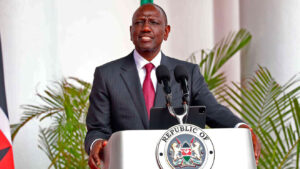
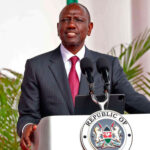
President William Ruto is facing a level of public rejection that critics say surpasses anything witnessed in Kenya’s post-independence history. A year of street protests, growing anger over the cost of living, and accusations of betrayal have turned a once-celebrated leader into the target of a nationwide outcry.
More than 100 people have died since protests began last year. The latest round of demonstrations on Monday left 38 dead, the single bloodiest day since unrest erupted. Demonstrators mostly young Kenyans have rallied around slogans like “Ruto Must Go” and “Ruto Wantam,” signaling a demand for his removal after one term.
In a striking moment during a public address this week, Ruto openly questioned why public rage has focused so intensely on him and not past presidents who ruled through repression or corruption scandals. “All this chaos, why wasn’t it directed at Moi, Kibaki, Uhuru?” he asked.
Ruto’s remarks reflect growing pressure. Once hailed as a leader of the people an image rooted in his upbringing as a roadside chicken seller he now contends with accusations of failing those same people. His administration’s economic policies, tax hikes, and the forceful response to protests have triggered a dramatic shift in public sentiment.

The tipping point came when Ruto ordered police to shoot protesters in the leg if they targeted businesses. That statement drew immediate condemnation and intensified outrage. Human rights groups have accused police of excessive force, illegal detentions, and abductions. The government insists protesters have attacked police stations and attempted a coup, but no evidence has been made public.
Political observers say the backlash is driven not by ethnicity or party affiliation but by deep dissatisfaction across age, class, and regional lines.
“This is the most intense outrage a president has faced,” said political communication expert Hesbon Owilla. He attributes it to failed promises and Ruto’s style of leadership. “His campaign was built on hope. What Kenyans are experiencing is worse.”
When Ruto entered office in 2022, he vowed to lift the poor and dismantle elite control of government. Instead, his policies introduced new taxes, including a 1.5% housing levy and a 2.75% health insurance tax, deductions that hit workers’ paychecks directly. Many Kenyans say they’ve felt no improvement in services.
Ruto defends the deductions as part of long-term programs to address unemployment and poor healthcare. “We are the first government taking action,” he said this week while inspecting an affordable housing project.
He also blamed ethnic division and misinformation for stirring unrest, stating, “Let’s stop hatred, pride, and contempt. We are all Kenyans.”
But critics say his message is not resonating. Public anger has continued to grow fueled by youth-led, decentralized movements that have little patience for traditional politics.

Political analyst Mark Bichachi calls the backlash “historic,” saying it even surpasses the opposition faced by Daniel arap Moi during the one-party era of the 1980s. He believes the administration has misread the public mood. “The government has lost touch with how people feel.”
Academic Njoki Wamai offers a different view, arguing that criticism of presidents during crises is part of Kenya’s political tradition. She points to similar moments under founding president Jomo Kenyatta and his successor Moi.
However, she adds that digital access has amplified today’s dissent. Kenya’s tech-savvy youth have used social media to organize, share information, and document abuses in real time.
Online trends like “We Are All Kikuyus” show a growing resistance to ethnic politics. The Kikuyu community largely supported Ruto in 2022. But fallout from Deputy President Rigathi Gachagua’s impeachment last year has led to tensions. Some Ruto allies blame Kikuyu elites for turning against him.
Yet protesters have consistently rejected ethnic framing of the crisis, saying their frustration stems from broken promises and state violence not tribal loyalties.
Ruto’s government continues to tout achievements, including a universal health plan, digital job creation, and foreign employment programs. But many Kenyans say these policies have yet to ease the economic strain they face daily.
“The disillusionment is creating the rage,” said Owilla. “He speaks too often. When he should stay quiet, he talks. That makes people personalize issues they direct anger at him, not the government.”
Still, Ruto insists the reforms will take time and urges patience. But with inflation rising and more lives lost in clashes with security forces, patience appears to be running out.

Ruto’s presidency now stands at a crossroads. Once praised as a people’s champion, he is now portrayed rightly or wrongly as disconnected and embattled. Whether he can repair that image remains uncertain, but the depth of public discontent suggests that trust has already been severely eroded.
About the Author