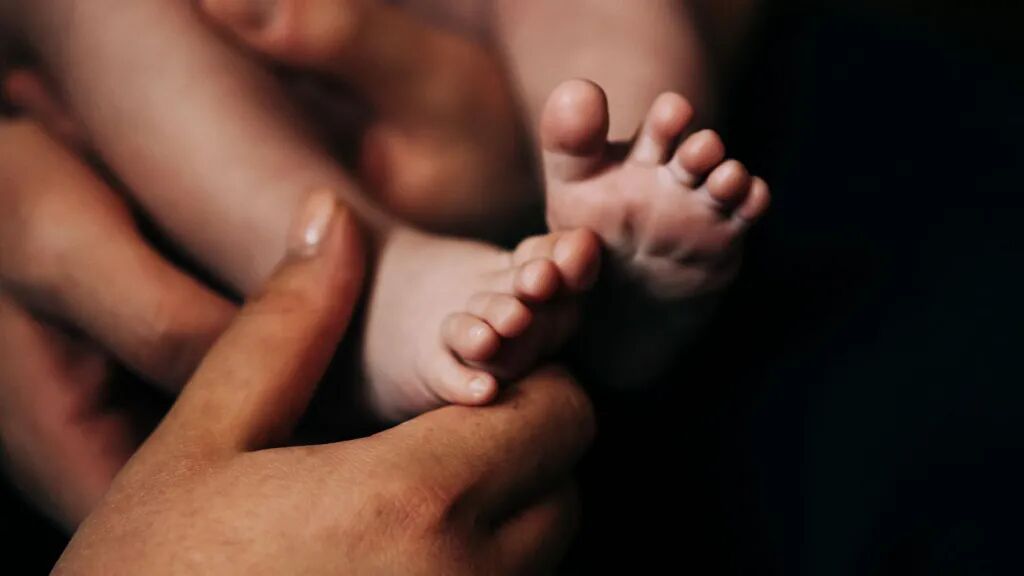
Indonesian police have dismantled an international baby trafficking ring that sold at least 25 infants to buyers in Singapore since 2023. Authorities arrested 13 suspects and rescued six babies in coordinated raids across Pontianak and Tangerang this week.
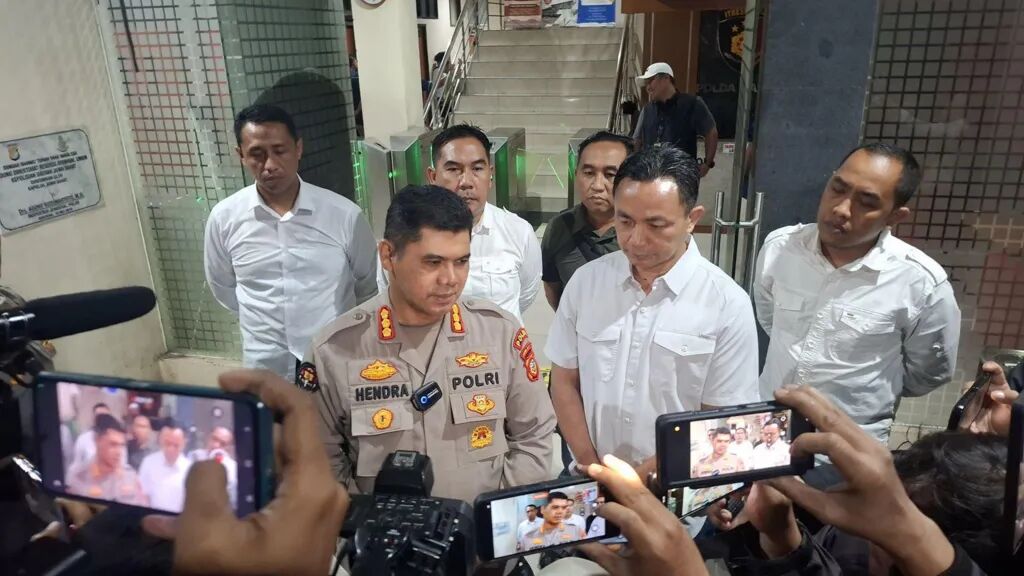
West Java Police said the babies, all under one year old, had been moved between cities to prepare them for travel and sale. “The babies were housed in Pontianak where immigration documents were processed before being sent to Singapore,” said Surawan, the head of criminal investigations for the region.
Each baby was sold for between 11 million and 16 million Indonesian rupiah, or roughly $673 to $980. Police said that some infants had been “reserved” while still in the womb.
According to police findings, traffickers targeted vulnerable women particularly those facing financial difficulties or unplanned pregnancies. Initial contact often began through Facebook before conversations moved to private messaging platforms like WhatsApp.
“Once the baby was born, traffickers paid the delivery costs and offered compensation to the mother before taking the infant,” Surawan said.
The network operated with distinct roles. Recruiters sought out women willing to give up their babies. Others served as caretakers, housing the infants for up to three months while officials prepared fake documents, including birth certificates and passports.
The trafficked babies originated mostly from various cities and districts in West Java. Police believe the ring sent both male and female infants abroad and within Indonesia.
On Thursday, Surawan told reporters the police’s next objective is to track down buyers in Singapore. “We will verify each case who left the country, when they left, and who received the baby,” he said, adding that many trafficked infants appear to have had their citizenships changed.
Authorities have requested cooperation from Interpol and Singaporean law enforcement to pursue suspected buyers and syndicate members still overseas. Police are preparing to issue red notices for international arrests.
Surawan clarified that the children were not abducted but were obtained through agreements between traffickers and parents. “In cases where a parent reported a kidnapping, it turned out the trafficker had simply failed to pay,” he explained.
If a financial agreement between parent and trafficker is confirmed, both parties could face human trafficking and child protection charges under Indonesian law.
Ai Rahmayanti of the Indonesian Child Protection Commission (KPAI) said many of the women involved were in desperate situations, often the result of sexual violence, abandonment, or unplanned pregnancies. She said traffickers frequently pose as shelter providers or clinics, offering help under false pretenses.
“These places promise support but end up offering money in exchange for illegal custody transfers,” she said.
Indonesia allows abortion only in limited circumstances, such as rape or medical emergencies. The law’s restrictions contribute to the vulnerability of women facing unwanted pregnancies.
Although official figures on baby sales in Indonesia are lacking, KPAI’s data shows a sharp increase in trafficking cases disguised as adoptions. In 2020, the commission documented 11 such cases. That number jumped to 59 by 2023.
A 2024 case highlighted by KPAI involved infants sold in Depok, West Java, and Bali. Prices varied, ranging from Rp11 million to Rp26 million (about $670 to $1,580), depending in part on the infant’s appearance.
Authorities say the investigation is ongoing and more arrests may follow. Police continue to urge the public to report suspicious activity and remain alert to traffickers posing as care institutions.
This case marks one of the largest cross-border child trafficking investigations in Indonesia in recent years.
About the Author