KAKAMEGA – Former Prime Minister and ODM party leader Raila Odinga defended ODM Secretary-General Edwin Sifuna following strong criticism cited by ODM SG Senator Edwin Sifuna over the government’s failure to address key concerns of the ordinary mwananchi and failure of the Kenya Kwanza coalition led by the UDA leadership to implement its manifesto and deliver promises cited during campaigns in the last general elections as friction inside the Orange Democratic Movement grows over the party’s broad based coalition pact with ruling United Democratic Alliance (UDA).
The fallout follows Sifuna’s sharp criticism of the Kenya Kwanza government during a live interview on air, the Nairobi Senator and ODM Secretary General dismissed the 2024 post-protest Memorandum of Understanding (MoU) between ODM and UDA as “dead,” citing the government’s alleged failure to uphold key commitments particularly on ending police brutality. “The government has acted in bad faith. ODM got a raw deal,” Senator Sifuna stated. He pointed to the continued extrajudicial killings, saying, “Things have only worsened since the MoU.”
His remarks drew backlash from some ODM members, who warned that such public statements could fracture the party and disorient supporters ahead of the 2027 General Election.
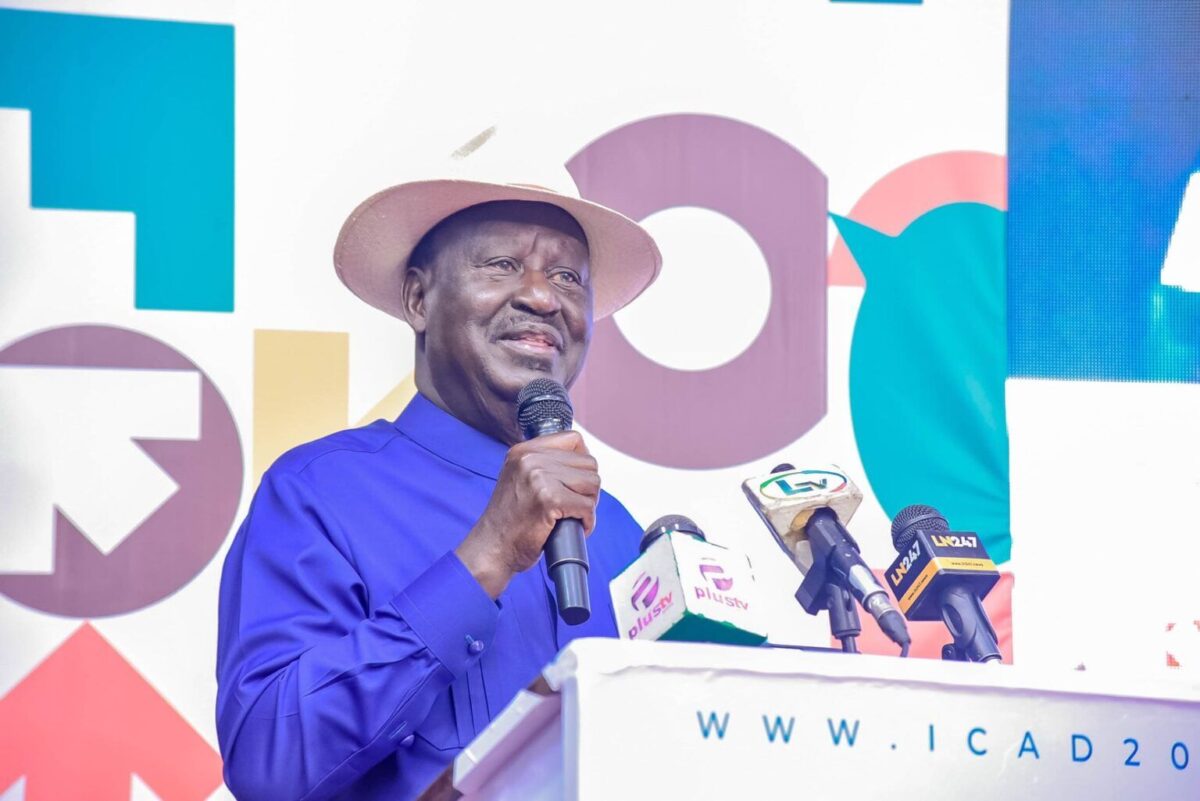
Raila Odinga ODM party leader addressing party delegates in Kakamega on Thursday, stood firmly behind senator Edwin Sifuna. “Everyone has the right to speak their mind. That is democracy and that is what ODM stands for,” Raila said. “If Sifuna has said something, it is his right. If you disagree, say so openly.”
Former Prime Minister Raila Odinga urged party members to express dissent constructively, adding, “Even if I make a mistake, say it. This is a democratic party.”
The controversy has reignited debate over the direction of ODM, especially after Raila’s unsuccessful bid for the African Union Commission chairmanship in February. Some political analysts believe Sifuna’s stance signals an emerging divide in strategy: Raila maintaining diplomatic ties with President William Ruto, while Senator Sifuna channels grassroots frustration.
During his interview, Senator Sifuna acknowledged growing disillusionment among ODM supporters, especially young people who led last year’s protests. “I struggle to explain that we are still the same party,” he said, reflecting frustration with ODM’s perceived closeness to the government.
Senator Sifuna also made clear that he would not support President Ruto’s re-election in 2027. “That is something I cannot abide personally,” Raila said.
Raila warned that ODM risks losing public trust if it fails to clarify its role while engaging the government. “If we continue aligning with this government until 2027 without explaining our position, we’ll lose the opportunity to justify our actions to Kenyans,” he cautioned.
For many young Kenyans who clashed with security forces during the 2024 protests, Raila’s political truce with Ruto felt like a betrayal. In contrast, Sifuna’s candid approach has drawn praise, especially online, where he’s seen by some as the voice of true opposition.
Raila has hinted that he may not run in 2027, suggesting ODM will back a new candidate. That statement has only intensified focus on Sifuna, whose rising profile and outspoken posture could position him as a key figure in ODM’s next chapter.
As internal tensions simmer and the 2027 race looms, the balance between diplomacy and defiance may determine ODM’s future and Raila’s political legacy.
About the Author