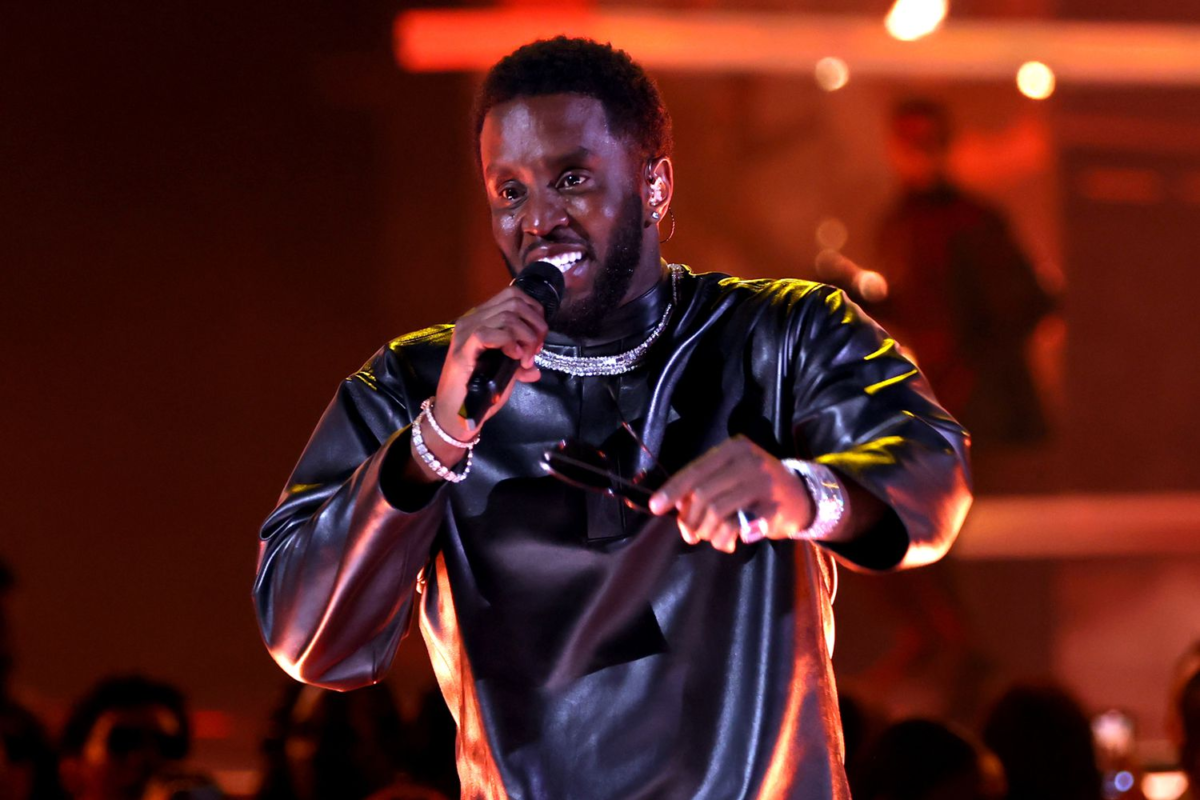
There was a time when R. Kelly and Sean “Diddy” Combs sat at the very top of the music world. Their names were stitched into the fabric of American pop culture. They won awards, sold millions of records, and influenced generations of artists.
Now, one is serving decades behind bars. The other faces prison time, lawsuits, and public outrage. Their stories, though separate, have come to reflect the same painful reality: unchecked fame, serious allegations of abuse, and a shifting public appetite for accountability.
R. Kelly: From Chart-Topper to Convicted Felon
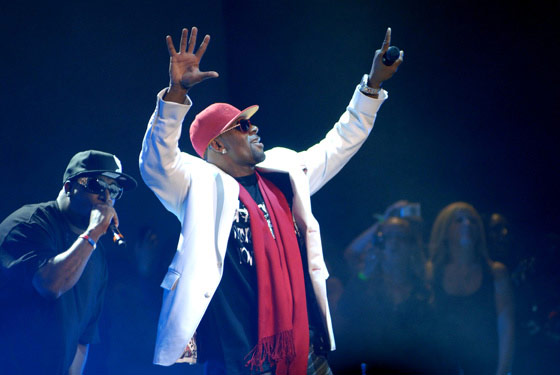
Robert Sylvester Kelly, better known as R. Kelly, once moved audiences with soulful ballads and gospel-tinged anthems. But long before the trials, there were concerns. His 1994 marriage to the late singer Aaliyah—then just 15—raised alarm. Allegations of abuse began to surface throughout the late 1990s and early 2000s.
In 2021, a federal court in Brooklyn convicted Kelly of racketeering and sex trafficking. Prosecutors argued he had created a system of control over young women and girls—using his fame, money, and network to silence them. A separate trial in Chicago led to a second conviction for child pornography and enticement of minors.
He is currently serving a combined 30-year sentence at a federal correctional facility in North Carolina. His legal appeals were rejected earlier this year, with judges affirming that the evidence against him was overwhelming. His earliest possible release is in 2045.
Despite these rulings, Kelly has continued to make legal claims from prison—most recently alleging that officials are denying him critical medical treatment for blood clots. A federal judge dismissed the case, calling the allegations unsupported.
Diddy: A Rising Storm of Legal Trouble
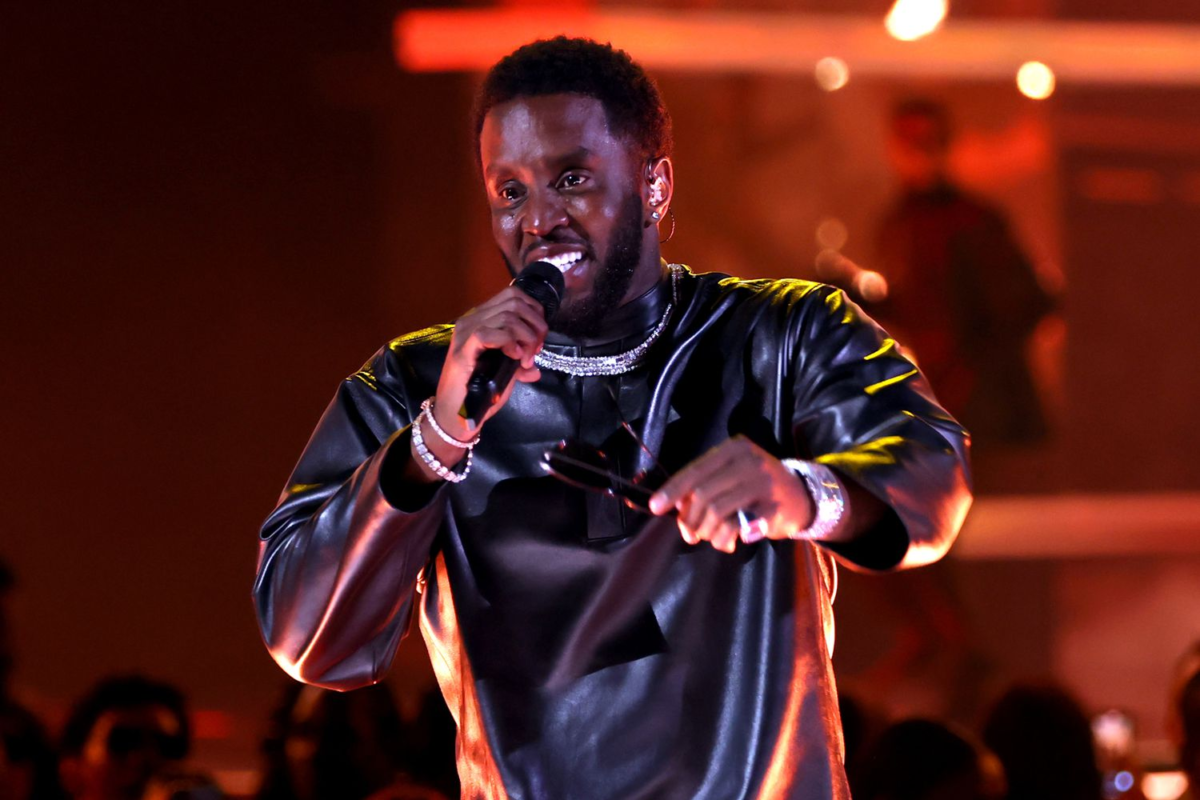
Sean “Diddy” Combs, once hailed as a business mogul and cultural icon, is now facing mounting legal challenges. In July 2025, a federal jury found him guilty on two counts of transporting women across state lines for the purpose of prostitution. He was acquitted of the more serious charge of sex trafficking.
His sentencing is scheduled for October, and he remains in federal custody. Prosecutors are seeking a sentence of at least four years. Combs’ legal team is asking for less, arguing that he poses no danger to the public and has already paid settlements in several related civil cases.
Those civil cases are still growing. More than 60 plaintiffs have filed lawsuits accusing Combs of sexual assault, physical abuse, coercion, and other forms of misconduct. One of the most high-profile cases came from singer Cassie Ventura, who alleged a pattern of violence and manipulation during their long-term relationship.
Shortly after her suit became public, previously unseen hotel surveillance footage surfaced—showing Combs assaulting Ventura in a Los Angeles corridor in 2016. The release of the video prompted a wave of public condemnation and renewed scrutiny into the wider accusations.
Combs has denied all criminal allegations and, through his lawyers, called the lawsuits “false, offensive and deeply irresponsible.” However, he settled with Ventura reportedly for $20 million, days after the suit was filed.
Public Reaction and Industry Silence
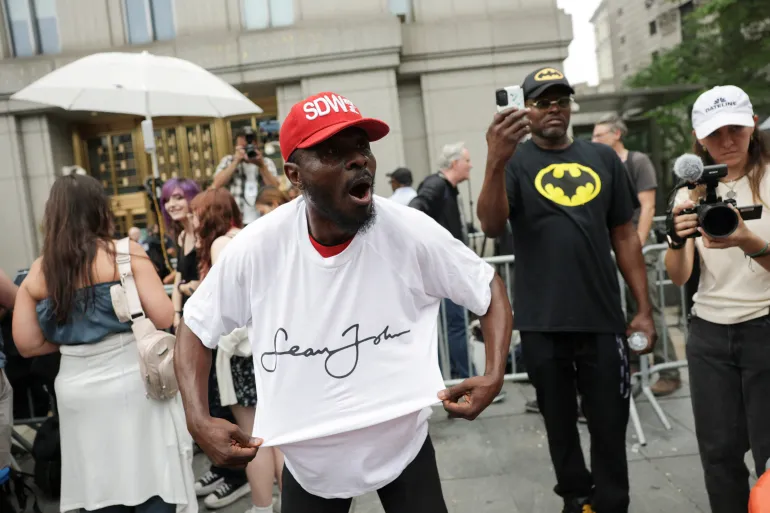
The stories of Kelly and Combs are not just about individual conduct. They also reveal a troubling culture of silence in parts of the entertainment industry. Both men were protected—knowingly or not—by people and institutions who turned a blind eye or actively helped contain the fallout.
Public sentiment has shifted. Movements like #MuteRKelly and growing support for survivors of abuse have placed pressure on both the legal system and the music industry to act. Several of Diddy’s former partners and corporate sponsors have severed ties. For Kelly, radio airplay and streaming figures collapsed after his conviction.
Media analyst Jordan Banks says the message is clear: “The era of powerful men avoiding consequences is over. These are not isolated cases—they’re part of a systemic awakening.”
A Legal Reckoning Still Unfolding
For Kelly, there is little legal ground left to stand on. His convictions have been upheld, and he is likely to serve out most, if not all, of his sentence. His claims of mistreatment in prison continue, but courts have thus far declined to act.
For Combs, the legal process is still unfolding. His criminal sentencing may be just the beginning, as civil trials continue and more plaintiffs come forward. His financial empire, once valued in the hundreds of millions, has already suffered significant losses.
Though their paths differ in detail, the broad strokes are similar: two of the most influential figures in modern music are now defined not by their hits, but by the harm they are accused of causing-and the people who finally said enough is enough.
As the legal system continues its work, the industry-and its fans-are left to reckon with the aftermath.
About the Author