NAIROBI — The National Cohesion and Integration Commission (NCIC) has warned political leaders against fueling protest anger and unrest among Kenya’s youth, calling instead for open and constructive dialogue to address the root causes of their frustration.
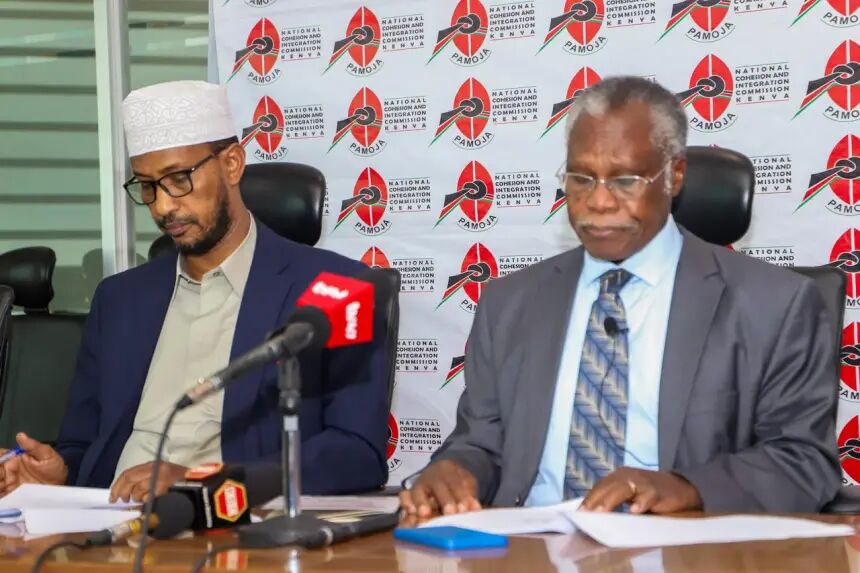
Speaking after the Saba Saba protests, NCIC chair Samuel Kobia condemned the destruction of property and attacks on infrastructure that followed nationwide demonstrations. While defending the constitutional right to peaceful protest, Kobia stressed that violent acts including targeting police officers undermine the very reforms protesters seek.
“We recognize the pain and disillusionment of many young Kenyans,” Kobia said. “But protests must not become a tool for political manipulation. We call on leaders to stop exploiting that frustration and instead work with youth to shape a better future.”
The commission said the demonstrations point to deeper national issues widening generational mistrust, chronic unemployment, and public disappointment with governance. Kobia urged political, religious, and civic leaders to set aside partisan interests and support mentorship and national healing.
“It’s time to turn frustration into reform,” he said. “We urge leaders to mentor and guide the youth instead of using them for political mileage.”
Kobia also condemned what he termed “excessive force” by certain members of the security services. He noted that not all officers acted unlawfully and acknowledged those who showed restraint.
“We know not every officer is trigger-happy. There are those who have acted professionally and within the law. They must be the standard,” he said.
The NCIC is currently leading a national dialogue initiative under its “Transgenerational Conversations” program, which launched last year. The initiative brings together voices from different age groups to discuss governance, accountability, and trust-building.
“Kenya’s healing won’t come through confrontation, but through honest conversations,” Kobia said. “We must listen to each other. We must act on what we hear.”
The Commission called on citizens, institutions, and youth movements to engage in these forums to shape policies and solutions that reflect shared national values.
NCIC also revealed that it had recommended legal action against former Deputy President Rigathi Gachagua over alleged hate speech unrelated to the Gen Z protests. The matter remains under review by relevant authorities.
As youth-led movements continue to press for reforms, NCIC’s message to leaders is clear dialogue, not division, is the way forward.
About the Author