
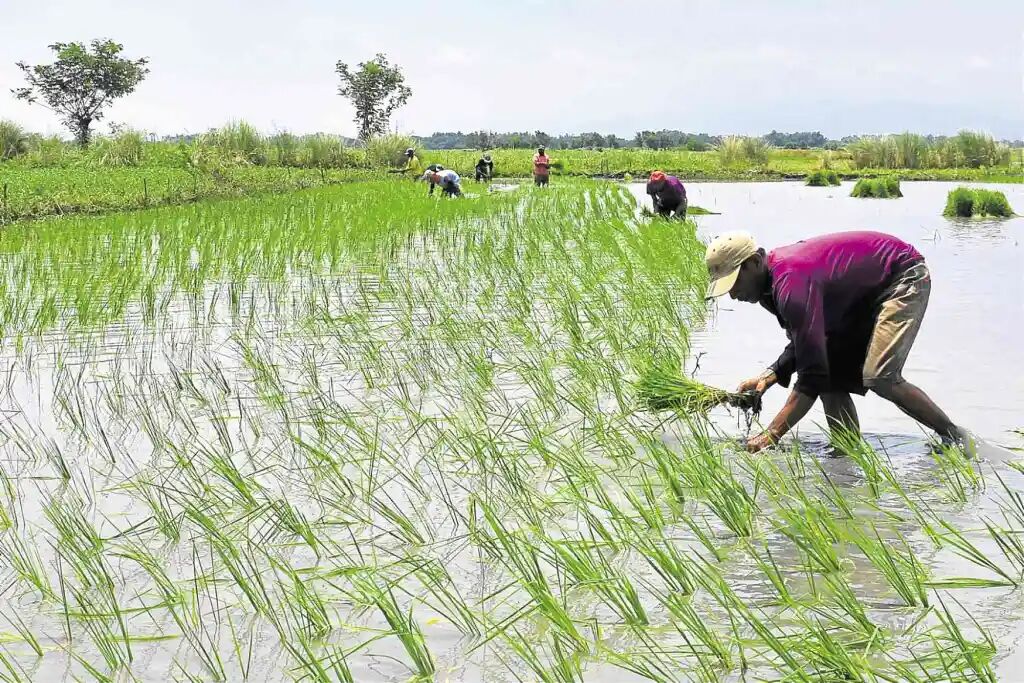
MWEA — Kenya has secured Ksh 645 million ($5 million) in funding from the Republic of Korea to strengthen its rice production and reduce its dependence on imports. The project is part of a five-year partnership between the Kenya Agricultural and Livestock Research Organization (KALRO) and the Korea Program on International Agriculture (KOPIA).

The investment aims to address Kenya’s current rice production shortfall, which stands at nearly 80 percent of the national demand. Officials say the funding will go toward developing certified seed systems, improving yields, and training farmers.
Speaking at the KALRO Mwea center in Kimbimbi, Dr. Ruth Musila confirmed that Kenya currently produces only 100 to 200 metric tons of certified rice seeds annually. The goal is to increase that figure to 10,000 metric tons by 2027.
“We’ve allocated 65 hectares at the Kirogo research center to focus on seed production,” Musila said. “This will help farmers cut production costs and boost yields.” Musila also revealed that the project will introduce high-yield rice varieties from Korea, including those developed through the Korea-Africa Food and Agriculture Cooperation Initiative (KAFACI). Varieties under consideration include ISRIZ 6, ISRIZ 7, and UKAFACI 39.
Dr. Eunha Yoo of KOPIA emphasized the program’s broader goals of cutting reliance on rice imports and improving food security. “This partnership is not just about seed production,” Yoo said. “It’s about equipping farmers with knowledge and technology from mechanization to post-harvest handling to make rice farming more productive and sustainable.”
Yoo assured farmers that KOPIA remains committed to making certified seeds widely available across the country. As Kenya faces a significant rice seed shortage, this collaboration is expected to deliver long-term benefits to both smallholder and large-scale farmers.
Kenya imports more than 80 percent of its rice from countries such as Pakistan, India, and Thailand. Rising prices and shifting global markets have made food security a top priority for the government.
By scaling up local seed production and introducing new technology, the KALRO-KOPIA partnership hopes to cut imports, stabilize prices, and improve livelihoods for Kenyan farmers.
About the Author