
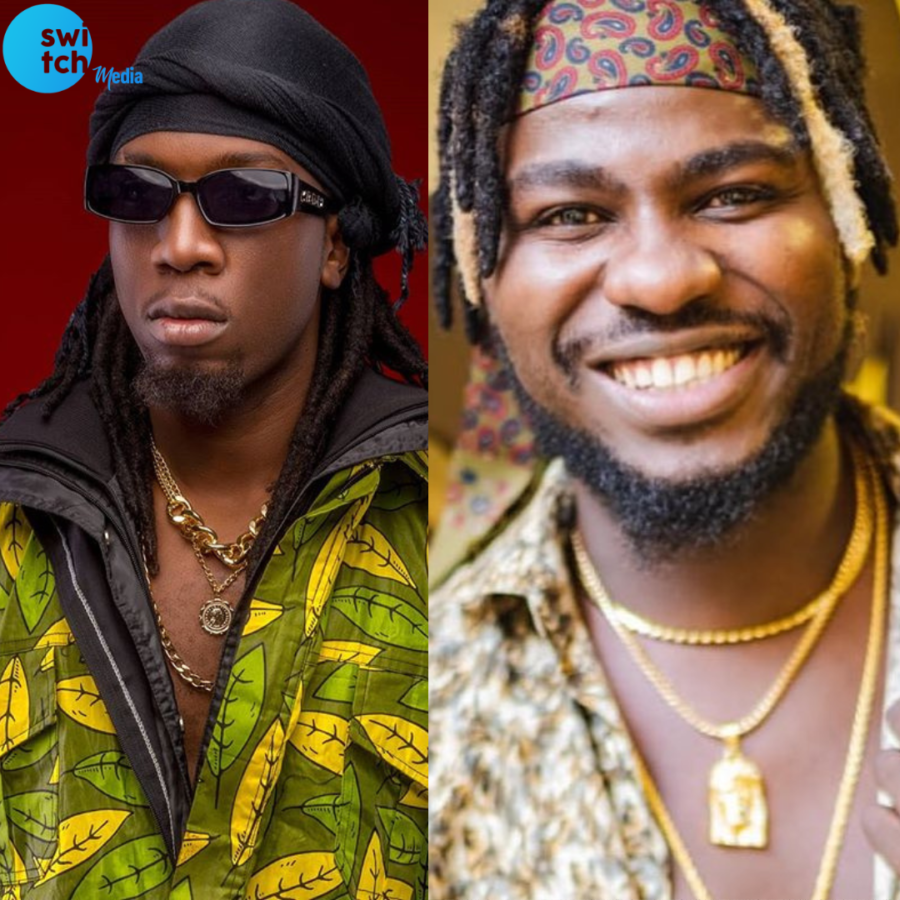
Nairobi — celebrated Kenyan artist Nviiri Sande, better known as Nviiri the Storyteller, came out in support of the government’s proposal to ban influencers from advertising alcohol, he may not have expected the online storm that followed.
In an emotional Instagram post shared on 14 July, the singer explained why he no longer takes part in alcohol promotions. Recalling a past campaign in Kayole, Nviiri said he was struck by guilt after realising that many locals lacked food and opportunities.
“The day I did a promo in Kayole I felt broken,” he wrote in Kiswahili. “They needed food, not alcohol. That was my last time doing such work.”
He urged fellow artists to think twice before promoting what he called harmful products for money, adding that music should inspire, not just sell.
“If you believe music pays, stop selling everything placed in front of you,” he added. “Show the next generation that art is a calling, not just a business.”
But his message, intended as a moral call, quickly sparked mockery and backlash online.

“Start With Yourself, Bro”
Several Kenyans on social media were quick to remind Nviiri of his own lyrics—particularly from his hit single Pombe Sigara, which openly references drinking culture. Some accused him of double standards.
“Let him take down Pombe Sigara first,” wrote one user. Another laughed: “He just wants alcohol banned because he likes women too much, not because he hates booze.”
Others used humour to highlight what they saw as inconsistency.
Singer Charisma chimed in with a lyric from Iyanii: “Kila saa nikilewa?”—a cheeky nod to how Kenyans often switch to English when drunk.
Another fan commented, “I’ve waited my whole life to turn 18 and now they want to push it to 21?”
Still, there were voices who seemed to understand Nviiri’s position.
“When you read his post sober, it actually makes sense,” one person wrote, quickly adding a laughing emoji.
The Bigger Picture
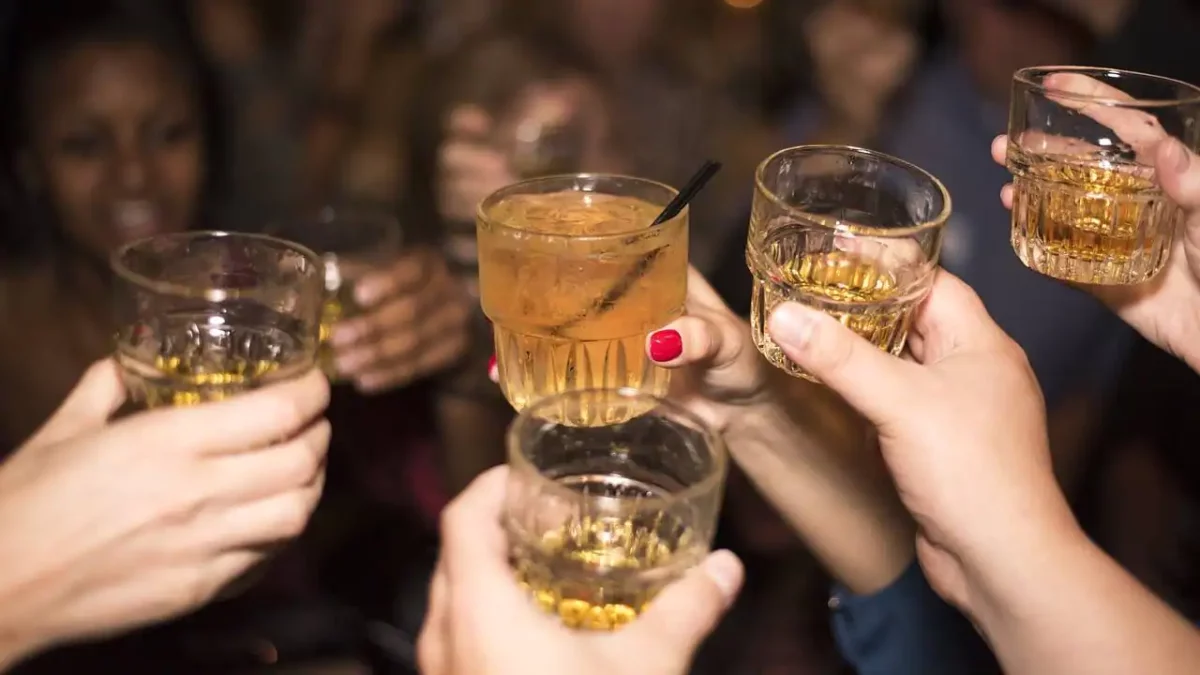
Nviiri’s post comes amid a major policy shift by Kenya’s National Authority for the Campaign Against Alcohol and Drug Abuse (NACADA), which is pushing to raise the legal drinking age from 18 to 21. The agency argues the move is based on scientific research and international best practices.
In a statement posted on X (formerly Twitter), NACADA noted, “The brain continues developing until the mid-20s,” adding that delaying alcohol use reduces the risk of addiction, poor decision-making, and long-term harm.
NACADA cited examples like the United States, where the drinking age is 21, and underage alcohol-related deaths are significantly lower.
The new proposal is part of the National Policy on the Prevention of Alcohol, Drugs and Substance Use (2025), approved by Kenya’s Cabinet in June. The policy includes stricter advertising laws, including a ban on celebrity endorsements and all alcohol ads during school-related events or children’s programming.
A recent NACADA survey revealed that 87.3% of university students in Kenya consume alcohol, with most getting it from friends, local bars, and canteens.
Celebrity Responsibility or Public Overreach?
As public pressure mounts and the government moves to tighten control over alcohol promotion, artists like Nviiri are caught in the crosshairs of influence and accountability.
His experience shows how difficult it can be for celebrities to speak out against practices they once benefited from-and how unforgiving the internet can be.
For now, the debate continues. But one thing is clear: in a country where music, influence, and youth culture are tightly woven, even a well-meaning message can open a can of worms.
About the Author