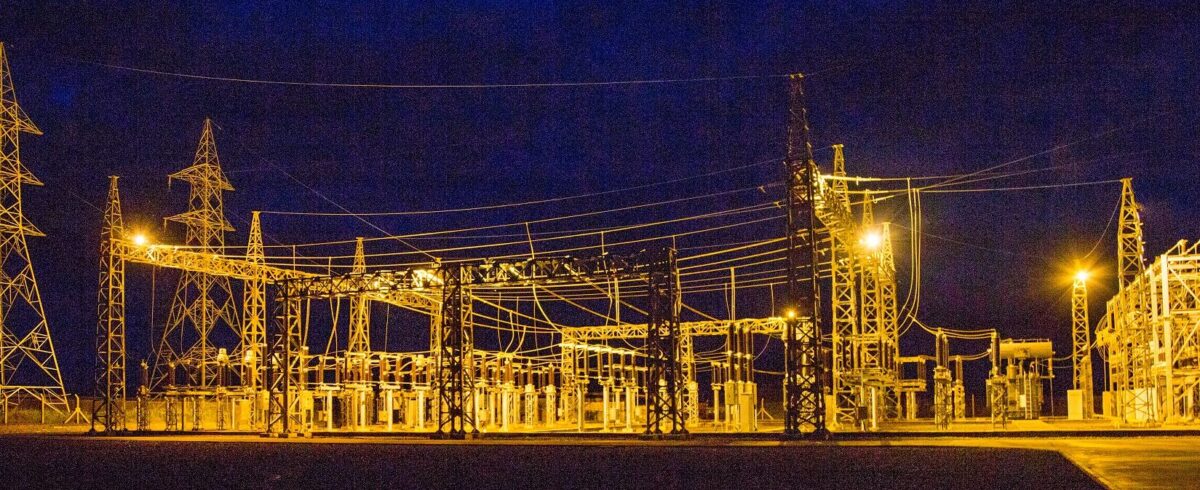
Kenya set a new electricity consumption record this week, reaching a peak demand of 2,362.28 megawatts, driven by rising industrial activity, urban growth, and domestic use. The figure marks the highest ever recorded in the country’s energy history. According to the Energy and Petroleum Regulatory Authority (EPRA), daily consumption on Wednesday totaled 42,943.11 megawatt-hours. A large share of this demand was met by geothermal and hydropower sources, with Kenya Electricity Generating Company (KenGen) maintaining grid stability through consistent renewable energy output.
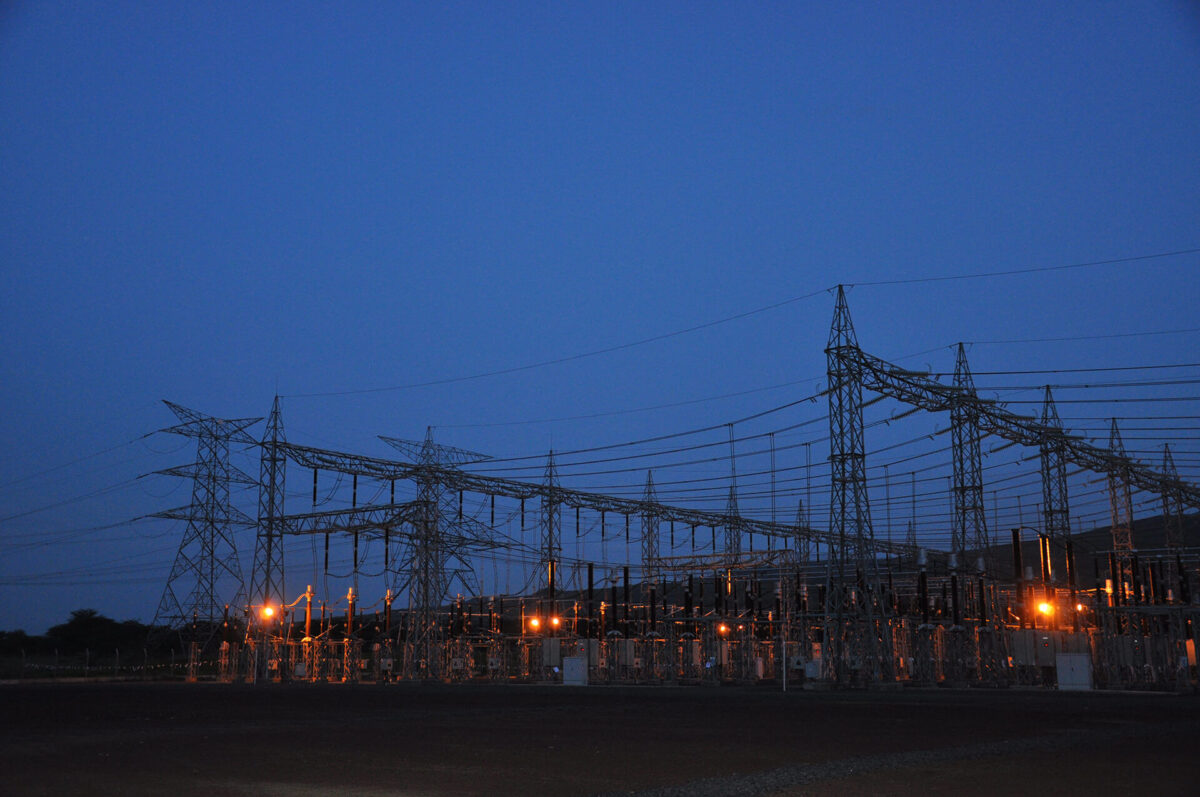
Geothermal energy led the day’s generation with 13,678.35MWh, accounting for 31.85 percent of the national supply. Hydropower followed with 10,915.93MWh, or 25.42 percent. “KenGen is committed to delivering reliable, steady baseload power to support homes and industries,” said Chief Executive Peter Njenga in a statement. “Our goal under the G2G strategy is to add 1,500MW to the grid from renewable sources over the next decade.”
Combined, geothermal and hydro made up 57 percent of Kenya’s daily electricity generation, reflecting KenGen’s focus on clean and dependable energy solutions. Other contributors included thermal sources, wind, and cross-border power links with Uganda and Ethiopia.
KenGen also reported that key hydropower stations played a critical role. The Kiambere dam exceeded expectations, generating 2,908MWh ,23.31 percent more than its projected output. Stations at Gitaru, Kamburu, and Masinga provided vital backup amid changing water levels.
However, surging demand is straining existing infrastructure. Transmission lines such as Muhoroni-Chemosit and Kisumu-Muhoroni operated beyond 120 percent of their rated capacity, underlining the need for urgent investment in grid reinforcement.
The country’s growing electricity appetite mirrors its ongoing push toward industrialization and urbanization. KenGen’s renewable energy contribution and plans for expansion are central to Kenya’s efforts to meet this growing demand while keeping the grid stable and environmentally sustainable.
About the Author