The Kenyan government has pressed terrorism charges against a number of individuals arrested during the violent protests on June 25 and July 7. The Office of the Director of Public Prosecutions (ODPP) has defended its actions, saying the charges are grounded in law and necessary for public safety. In a statement released Monday, the ODPP dismissed criticism that the move is politically motivated or intended to silence dissent.
“The charges under the Prevention of Terrorism Act should be understood within the framework of established legal thresholds and national security imperatives,” the ODPP stated. “They should not be interpreted as efforts to suppress legitimate political expression.”
Investigators allege that the violence seen during the protests was not random. According to the ODPP, evidence suggests the attacks were organized and carried out with clear intent.
“Preliminary findings show the violence targeting public officers, courts, police stations, and government property was planned and coordinated,” the statement continued. “These were not spontaneous demonstrations.”
Under Kenya’s Prevention of Terrorism Act, actions that meet specific criteria are considered terrorism offenses. The law defines a terrorist act as any act or threat that:
- Involves violence against a person.
- Endangers life, excluding the perpetrator.
- Poses serious risk to public health or safety.
- Causes serious damage to property.
- Uses firearms, explosives, or dangerous substances.
- Releases toxic or biological agents into the environment.
- Disrupts essential services like communication or transportation.
- Interferes with emergency services.
- Threatens national security or public safety.
These actions must also be aimed at intimidating the public, pressuring the government or international organizations, or destabilizing political or social institutions. However, the Act makes an important exception. Protests, strikes, or demonstrations are not considered terrorist acts if they do not intend to cause harm or meet any of the violent criteria listed above.
This clarification is central to the current public outcry. Opposition leaders, civil rights groups, and citizens argue the government is stretching the law to punish political dissent. Critics say applying anti-terrorism laws to public protests is a dangerous precedent. On the other hand, the ODPP maintains that the individuals facing these charges crossed the line from protest to criminal conduct, citing damage to public property and harm to law enforcement.
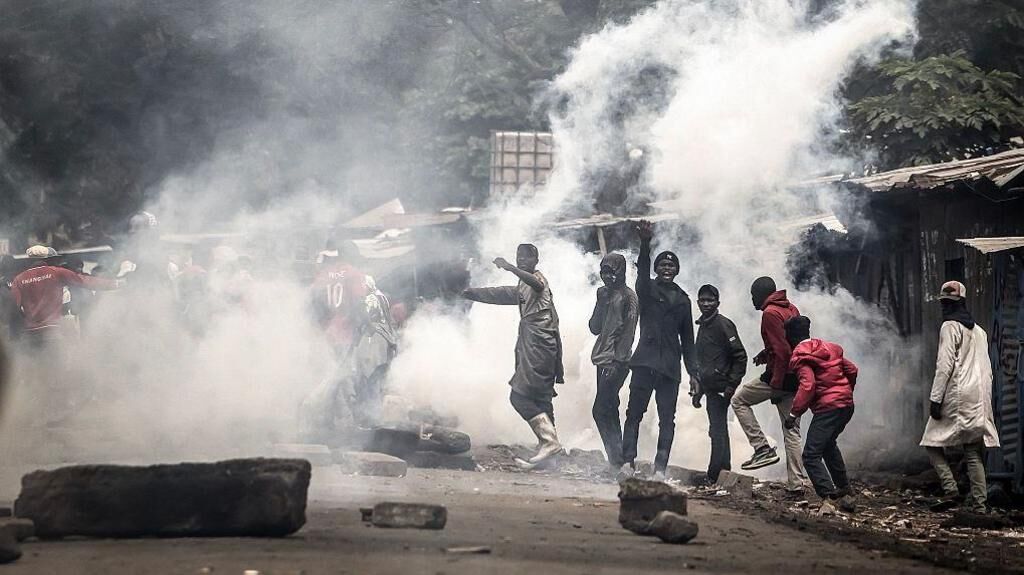
The June 25 and July 7 protests turned deadly in multiple towns. Police stations were attacked, roads were blocked, and government offices were vandalized. Security forces responded with tear gas and live ammunition in some areas, drawing further condemnation. Public discourse continues to build as human rights organizations monitor the arrests and court proceedings. Legal experts note that the outcome of these cases may set a precedent on the limits of lawful protest and the government’s authority under national security laws.
As of now, trials are expected to move forward in the coming weeks. The ODPP has not disclosed how many individuals are facing terrorism-related charges but confirmed that the cases are active and ongoing. This legal battle highlights the ongoing tension between state power and public expression in Kenya’s evolving political landscape.
About the Author