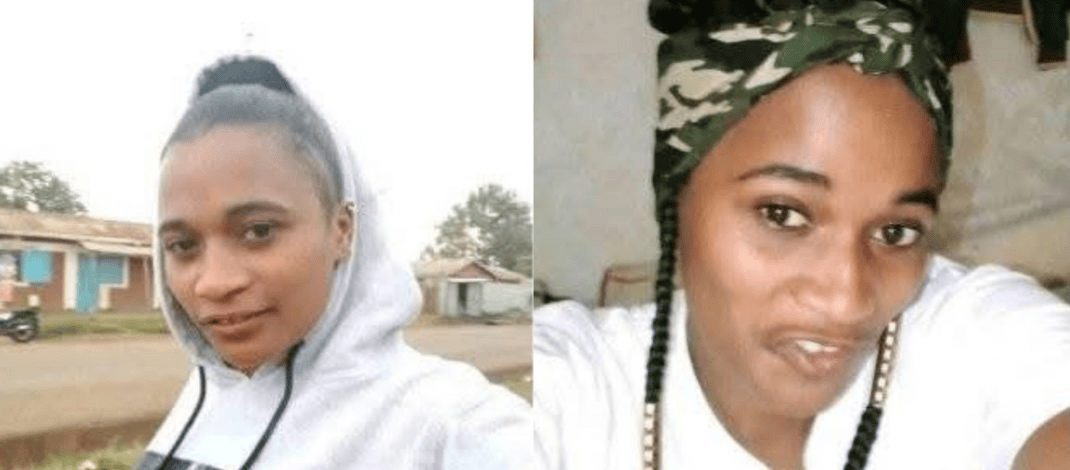
A young woman’s death in police custody has stirred grief and outrage in Nanyuki. Julia Njoki, 24, died after what her family believes was a brutal beating by officers during the Saba Saba protests.
On 7 July, Julia Njoki was detained during the Saba Saba demonstrations. Held overnight at Nanyuki Police Station, she appeared in court the next day on charges of malicious damage and was remanded after failing to post bail of KSh 50,000.
Her grandmother, Susan Kirigo, alleges that Julia Njoki suffered physical assault while in custody at Nanyuki GK remand.
In custody collapse and hospitalization
On 9 July, she collapsed and was rushed to Nanyuki Teaching and Referral Hospital. A preliminary report shows blunt‑force trauma to the head, pointing to severe beating.
A full post‑mortem is scheduled to begin on 15 July and is expected to clarify the cause of death.
Community reaction and protests
Tensions grew in Likii slum as residents protested. Barricades were set up on main roads and crowds demanded the arrest of the officers accused of injuring Julia Njoki.
Human rights bodies and members of the public have decried the incident and urged an independent probe.
Community reaction and protests
Julia Njoki’s death is one of several distressing cases since the Saba Saba protests. Among them:
- Thomas Gachara, a Form Three pupil, died after being shot as he left school.
- Two others, Felix Karani and Felix Thuranira, were admitted to hospital with gunshot wound.
No official comment yet
Police have urged patience as investigations proceed, awaiting the post‑mortem findings. No officers have been arrested or suspended.
Voices demanding justice
Julia Njoki’s aunt, Grace Rene, wrote on social media:
“Julie Njoki was arrested Monday. By Wednesday, she was dead… she was bleeding internally. And the system responded with delays, silence and lies.”
Activists have demanded justice to be served as #JusticeForJuliaNjoki highlight concerns over custodial deaths and the culture of impunity.
A deeper crisis
Kenya has faced growing criticism over police conduct. Elizabeth Odhiambo, president of the Law Society of Kenya, called Julia Njoki’s death “too painful,” while Women Representative Esther Passaris urged a fully independent post-mortem.
Looking ahead
As the investigation continues, Julia Njoki’s family and protesters say they will not accept silence. They seek accountability not only to honor her memory but to ensure no one else dies in similar circumstances.
About the Author