


JERUSALEM – Israel began a second 10-hour military pause in parts of the Gaza Strip Monday morning to allow humanitarian aid into the besieged territory, following growing international pressure over widespread hunger and child malnutrition. The 10 hour millitary ceasefire, running from 10:00 a.m. to 8:00 p.m. local time, applies to El-Mawasi, Deir al-Balah, and northern Gaza City. According to the Israel Defense Forces (IDF), these pauses aim to enable food and medicine deliveries “until further notice” while military operations continue in other areas.
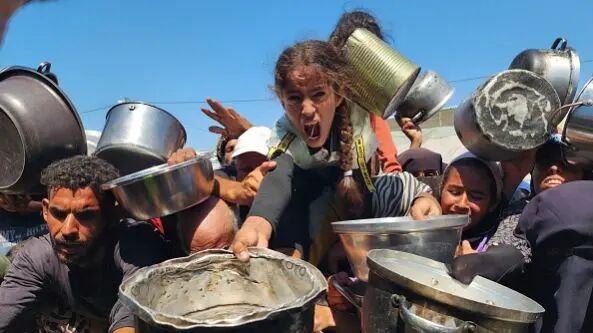
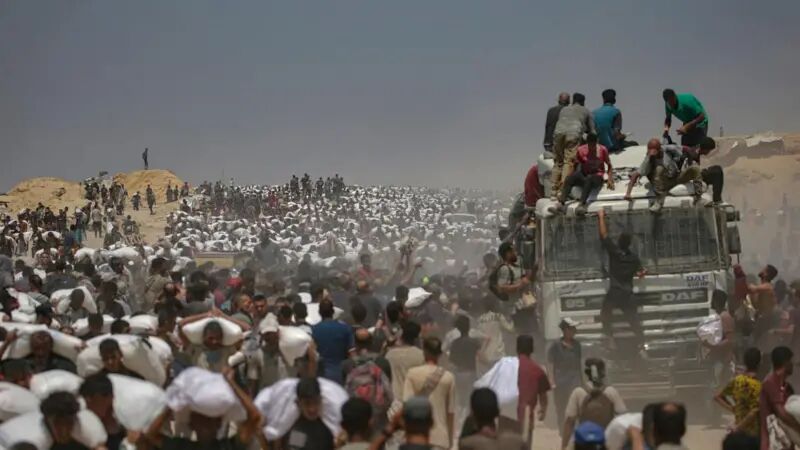
The move follows stark warnings from the World Health Organization (WHO), which reported that malnutrition rates in Gaza are on a “dangerous trajectory.” The agency confirmed 65 of the 74 starvation-related deaths this year occurred in July alone, including 24 children under five.
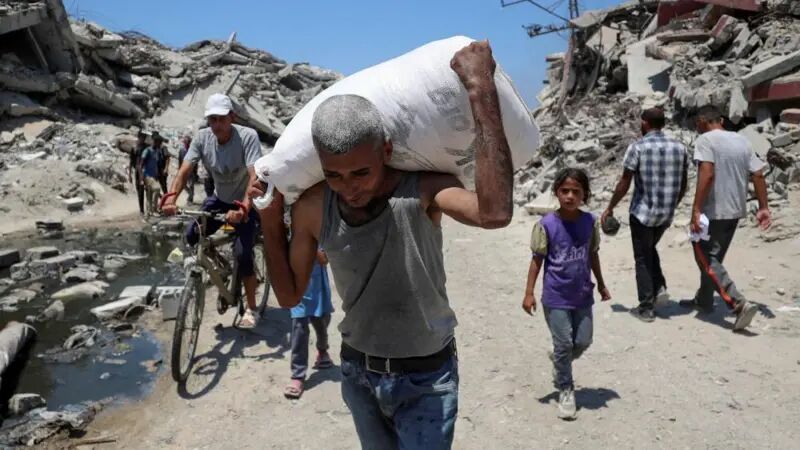
Images of gaunt children and people scrambling for food have drawn sharp criticism of Israel’s blockade and aid restrictions. Aid agencies report that more than 1,000 people have died or been injured while trying to access food.
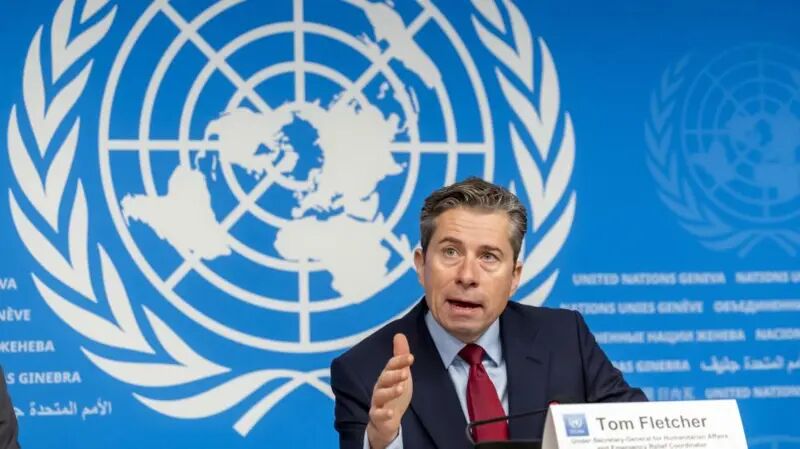
“This crisis is entirely preventable,” WHO said in a statement. “Deliberate blocking and delay of food and medical aid have cost lives.” The UN welcomed the pause but said temporary measures are not enough. UN humanitarian chief Tom Fletcher said, “We acknowledge Israel’s decision to lift some customs barriers and establish secure routes from Egypt. But vast amounts of aid must reach Gaza without delay and there must be no further attacks on people gathering for food.”
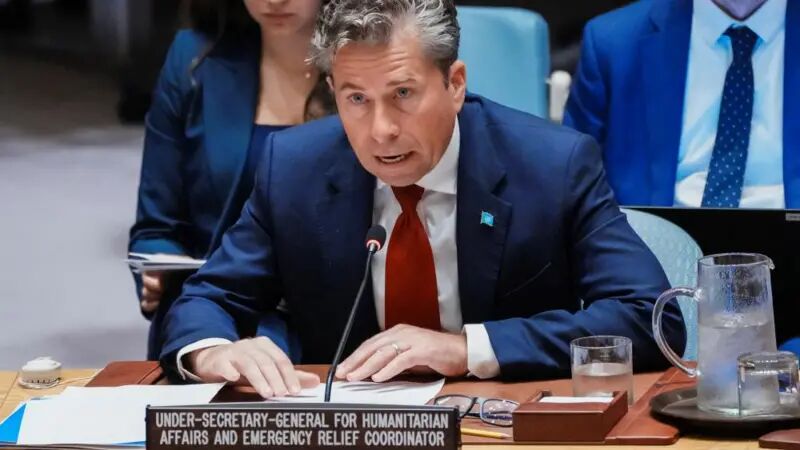
UN humanitarian chief Fletcher added that efforts must be “sustained, fast, and far-reaching” to stave off famine. He also urged quicker clearance procedures for humanitarian convoys crossing into Gaza.
Despite Israel’s pledge, aid deliveries remain difficult. Air drops resumed over the weekend, with Jordan and the United Arab Emirates delivering 25 tonnes of supplies. Aid groups described the drops as risky and insufficient. UNRWA chief Philippe Lazzarini said such methods are “inefficient, expensive, and can kill civilians.”

Journalists on the ground confirmed that some air-dropped packages landed in areas Israel previously labeled “dangerous combat zones.” The IDF declined to clarify whether this was due to error or deliberate placement.
Prime Minister Benjamin Netanyahu rejected accusations that Israel is weaponizing hunger. “There is no starvation in Gaza,” he told a Christian conference in Jerusalem. “These claims are bold-faced lies. Israel permits in the aid required by international law Hamas steals it and blames us.”

That claim, however, is disputed. A recent internal USAID report found no evidence that Hamas has systematically looted U.S.-funded supplies. Hamas has also denied interfering with aid distribution.
In central Gaza on Sunday, nine people were reported killed and 54 injured while waiting for aid near the Netzarim Corridor. Local hospital officials attributed the incident to Israeli fire. The IDF said it fired warning shots at suspects approaching troops, but denied targeting the aid site or causing casualties.
On the diplomatic front, British Prime Minister Keir Starmer recalled his cabinet from summer recess to discuss Gaza. He faces pressure to recognize a Palestinian state and back a ceasefire. UK Foreign Secretary David Lammy said the current measures “cannot meet the scale of suffering” and called for land access to be restored for meaningful aid flow.

U.S. President Donald Trump, addressing the crisis from Scotland, confirmed that the U.S. has provided $60 million in food aid for Gaza. Responding to images of starving children, Trump said, “It’s terrible… that whole place is a mess.”

Meanwhile, Israel’s humanitarian map shows a division between “white” zones where operations are paused and “red” zones deemed active combat areas. Reports uncovered an Israeli airstrike inside a declared pause zone in western Gaza shortly after the truce took effect. The IDF said it was unaware of the incident.
The UN and aid agencies insist that land routes, not air drops, are essential for scaling up humanitarian relief. “This must be the beginning of a larger, permanent solution,” said UNICEF. “Without safe, open corridors, the humanitarian disaster in Gaza will continue to escalate.”
As of Monday, Gaza’s health ministry reports that at least 133 people have died from starvation since the war began, with thousands more at risk as food and medicine remain scarce.
About the Author